Saturday, September 7, 2019

Adenna DLG678 Dark Light 9 mil Nitrile Powder Free Exam Gloves (Black, X-Large) Box of 90

FDA Prohibits Use of Powdered Gloves


Adenna DLG678 Dark Light 9 mil Nitrile Powder Free Exam Gloves (Black, X-Large) Box of 90
 buy-button


In the United States, the US Food and Drug Administration (FDA) has ruled that it prohibits the use of powdered gloves in medicine on the grounds that it is harmful to human health. This ban was first proposed in March 2016.

This prohibition accelerated efforts to remove the use of pre-powdered surgeon gloves, powdered examination gloves, and surgeons without slow application of absorbable powder to lubricate their gloves.

Dusts are used to facilitate movement when gloves are worn and removed. Unlike synthetic powdered gloves, especially natural rubber latex gloves are known to carry proteins that can cause respiratory allergy reactions of aerosol glove powders. Although powdered synthetic gloves do not carry the risk of allergic reactions, they are known to be associated with serious adverse events, including severe airway inflammation, wound inflammation and post-surgical adhesions.

Professional societies advocate this prohibition, and as many individual clinicians do, many major health systems have already restricted or completely terminated the use of such products.

Although the gloves used for medical purposes have a very important role in protecting patients, healthcare providers and other people nearby, the FDA states that these gloves are dangerous for various reasons. They emphasize that powders used in all types of gloves are associated with serious serious airway inflammation, hypersensitivity reactions, allergic reactions including asthma, lung inflammation and lung injury, possible serious adverse events such as granulomas and peritoneal adhesions. They say that proteins in aerosol glove powder can cause allergic respiratory reactions. Both surgeons and patient examination gloves say that there are appropriate alternatives that do not carry the risks of powdered gloves but provide similar protection, dexterity and performance, so switching to existing alternatives in the market will not cause any harm to public health.

The ban went into effect on January 19th. This decision was the second ban by the FDA in 1983 after the abolition of the use of prosthetic hair strands. The FDA has now proposed another ban on the use of electrical stimulation devices for the treatment of self-injurious or aggressive behavior.


45AXX
Adenna DLG678 Dark Light 9 mil Nitrile Powder Free Exam Gloves (Black, X-Large) Box of 90

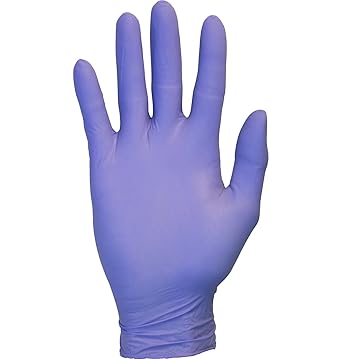
The Safety Zone GNEP-MD-1P-Case Nitrile Exam Gloves, Medical Grade, Powder-Free, Non-Sterile, Disposable, Food Safe, Indigo Color, Size Medium, (Case of 1,000)

Use of Gloves for Health Workers


The Safety Zone GNEP-MD-1P-Case Nitrile Exam Gloves, Medical Grade, Powder-Free, Non-Sterile, Disposable, Food Safe, Indigo Color, Size Medium, (Case of 1,000)
 buy-button


It is imperative to pay attention to the smallest detail in the hospital. Therefore, you will find detailed information about the use of gloves by healthcare workers and in this news you can learn when and how to use the gloves.

Basic Principles of Glove Use in Hospital

Hospital workers need to know the proper methods of wearing gloves to prevent infections and cross- contamination in relation to health care . It includes all diagnostic and treatment units in the hospital. All hospital staff should have full knowledge of the use of gloves.

First of all, the use of gloves does not eliminate the necessity of hand hygiene , we should know. Hands should be washed and hand hygiene provided before wearing gloves and after removing gloves.

eldiven-kullanimi-ve-el-hijyeni.jpg

WARNING: Do not wash your gloved hands or use alcohol-based hand disinfectant.

Do not use the same glove on another patient , you should change your glove when looking at another patient.
When applying different areas of the patient's body, hand hygiene should be provided and gloves should be changed after each procedure.
Gloves must be worn in the care and treatment of patients in isolation and the gloves must be removed properly before leaving the patient's room. (For more information, see What is Insulation Precautions.)
At the same time, gloves should be worn if there are cuts, scratches or cracks in the hands of health workers.

hastanede kullanılan eldivenler
When should medical personnel wear gloves?

The patient's blood , body fluid and secretions in processes requiring direct contact with visibly contaminated objects ;

All patients are in contact with blood or body fluids
Blood collection
Blood and body fluid spills during cleaning
Changing the serum sets and inserting the blood set into the bag
Aspirating the patient
Urine bag and duck being emptied
When changing the colostomy bag
Patient care

The patient's blood, body fluid and secretions in the process of requiring indirect contact with visibly contaminated objects;

Emptying container containing or contaminated with patient secretion
In handling and cleaning used tools
In case of waste disposal
Cleaning of body fluid debris

saglık personeli eldiven
What are the conditions for using non -sterile gloves?

Isolated patients entering rooms
Before contact with blood, body fluids, exits, and before contact with impaired skin or mucous membranes
In the presence of high levels of infectious agents
Intravenous vascular access, removal, blood collection, termination of the venous line, pelvic and vaginal examination
When the container containing vomit is emptied, the patient is in direct contact with visible contaminated objects such as blood, body fluids and secretions, extracts of the patient, such as handling and cleaning the instruments used, handling waste, cleaning body fluid debris.

muayene-eldiveni.jpg
What are the conditions for the use of sterile gloves?

Any surgical procedure, such as vaginal birth in the procedures to be performed on the sterile body of the patient
Invasive radiological procedures
Central vascular access and catheter placement
In cases where the sterility of the materials to be used must be maintained
Total parenteral nutrition and preparation of chemotherapeutic agents
Open aspiration of endotracheal tubes

steril-eldiven-giyme.jpg
What are the conditions to use barrier gloves?

Barrier gloves should be used before invasive procedures for patients with Crimean Congo Hemorrhagic Fever and HIV-positive patients and for surgical procedures in HCV or HIV-positive patients.

bariyerli-eldiven.jpg
What are the situations where health personnel do not need to wear gloves?

In cases where contact with the patient is required but there is no possibility of contact with body fluids and secretions ;

Blood pressure, body temperature and pulse measurement
Subcutaneous and intramuscular injection
When the patient is dressed and bathed
Patient transport
Eye and ear examination without secretion
When conducting vascular access without blood leakage

In indirect contact procedures where there is no possibility of contact with body fluids and secretions ;

When using a phone
Patient card and so on. filling
Oral treatment
Feeding the patient
When changing patient bedding
Non-invasive mechanical ventilation devices for insertion of the oxygen cannula
When contacting patient furniture

hastanede-yanlis-eldiven-kullanimi.jpg

Suggested Content;

► What are the Benefits of Crying?

WARNING!

Written and visual contents in our content are compiled from different sources, suggestion and information letter. There is no definitive diagnosis and treatment. In case of any health problems, consult your doctor. Remember that the treatment methods used in health problems may vary according to the individual's biology, hereditary characteristics, age, height, weight differences, allergic aspects, and dozens of different conditions. Your doctor can help you in the treatment of your health problems.


44AXX
The Safety Zone GNEP-MD-1P-Case Nitrile Exam Gloves, Medical Grade, Powder-Free, Non-Sterile, Disposable, Food Safe, Indigo Color, Size Medium, (Case of 1,000)

AMMEX Medical Black Nitrile Gloves - 4 mil, Latex Free, Powder Free, Textured, Disposable, Non-Sterile, XLarge, ABPNF48100-BX, Box of 100

Banned Use of Powdered Gloves on the grounds that it is unhealthy!


AMMEX Medical Black Nitrile Gloves - 4 mil, Latex Free, Powder Free, Textured, Disposable, Non-Sterile, XLarge, ABPNF48100-BX, Box of 100
 buy-button


The US Food and Drug Administration (FDA) has banned powdered gloves used in medical procedures on the grounds that they are harmful to human health.

In its first prohibition proposal submitted by the FDA in March 2016, the gradual removal of powdered gloves came into question.

According to the news in Medscape, the FDA made the following statements regarding powdered gloves:

Gloves are important in protecting patients, health care providers and others; Powdered gloves are dangerous in many ways. Gloves with powder; respiratory disorders, hypersensitivity reactions, allergic reactions (including asthma), lung inflammation and injury, granulomas and peritoneal adhesions have the potential to cause serious health problems.

The FDA reported that alternative powder-free gloves have the same protection and performance, and do not include the risks of powdered gloves, and that public health will be protected by switching to other alternative products on the market.

Most device removal from the United States market was initiated by manufacturers, not FDA.

Powdered gloves are the second product group to be banned by the FDA. The first one was the banned prosthetic hair in 1983. Another product group that the FDA currently recommends is the prohibition of electrical stimulation devices used to treat self-harm or aggressive behavior.


42AXX
AMMEX Medical Black Nitrile Gloves - 4 mil, Latex Free, Powder Free, Textured, Disposable, Non-Sterile, XLarge, ABPNF48100-BX, Box of 100

Medpride Medical Vinyl Examination Gloves (Small, 100-Count) Latex Free Rubber | Disposable, Ultra-Strong, Clear | Fluid, Blood, Exam, Healthcare, Food Handling Use | No Powder

What is vinyl gloves? Where is it used?


Medpride Medical Vinyl Examination Gloves (Small, 100-Count) Latex Free Rubber | Disposable, Ultra-Strong, Clear | Fluid, Blood, Exam, Healthcare, Food Handling Use | No Powder
 buy-button


The raw material of vinyl gloves is PVC (Poly Vinyl Chloride) and does not contain latex (hence allergen) in its composition.
Vinyl examination gloves are therefore an ideal alternative for users with latex allergies .
Vinyl gloves are not as flexible as latex gloves, but they are more durable than latex gloves .
Compatible with both hands.
The ability to feel is lower than latex and nitrile gloves.
Although it costs the same as latex powdered gloves,
Powder-free vinyl gloves are more economical than powder-free latex gloves .
Because they are disposable, such as latex gloves, in hospitals and other health care institutions to prevent potential hazards that can be transmitted from patient to staff, personnel to patients by hand, food contact elements in the hands of food contact, germs, dirt, etc. and all other harmful substances in the prevention of harmful substances and other hygiene and sensitivity It is a very practical and economical alternative for activities that require.


41AXX
Medpride Medical Vinyl Examination Gloves (Small, 100-Count) Latex Free Rubber | Disposable, Ultra-Strong, Clear | Fluid, Blood, Exam, Healthcare, Food Handling Use | No Powder

Medpride Medical Exam Latex Gloves| 5 mil Thick, Medium Box of 100| Powder-Free, Non-Sterile, Heavy Duty Exam Gloves| Professional Grade for Hospitals, Law Enforcement, Food Vendors, Tattoo Artists

Medical Gloves Types and Various Advantages and Disadvantages


Medpride Medical Exam Latex Gloves| 5 mil Thick, Medium Box of 100| Powder-Free, Non-Sterile, Heavy Duty Exam Gloves| Professional Grade for Hospitals, Law Enforcement, Food Vendors, Tattoo Artists
 buy-button


Types of medical gloves and various advantages and disadvantages

Types of medical gloves and various types of gloves, glove classification (a) disposable medical gloves 1, disposable sterile rubber surgical gloves: conform to GB7543. 2. Disposable rubber examination gloves: conform to GB10213. (2) reusable gloves: 1. Rubber resistant gloves: gloves conform to AQ6101 in contact with mineral oils, vegetable oils and oils. 2. Acid-protective (alkali) gloves: gloves are compatible with AQ6102 for contact with acid-based solution. 3. Immersion gloves: Complies with GB / T18843 used for waterproofing, detergents, dirty and light mechanical injuries and applies only to cleaners and other types of gloves. 2. Gloves must be selected according to the user's different reaction conditions and different operating requirements, different materials and different types of gloves. (a) the basic principles of wearing gloves and the standard preventive and contact insulation principles should be followed; The use of gloves should be used independently of the use of gloves. (2) The principle of selection of side effects may be 1. Gloves made of synthetic rubber should be worn as well as possible, and gloves made of natural rubber latex should not be worn. 2. It is recommended to use dust gloves. (3) the use of medical gloves and reusable gloves should be used in a disposable manner. 2. Wear clean media or medical equipment, disposable gloves or reusable gloves. 3. Disposable medical gloves should be used immediately. (iv) use surgical gloves. 1. Surgery 2. Vaginal delivery. 3. Radiation interference operation. 4, central venous catheters. 5. Preparation of total gastrointestinal nutrition and chemotherapy drugs. (5) examination gloves should be used for the examination of gloves by blood, shed, secretion, discharge and clearly contaminated body fluids. 1. Direct contact: contact with blood; Contact mucosal tissue and damaged skin; Potentially highly contagious, highly dangerous microorganisms; An outbreak or emergency; Intravenous injection; Blood; Intravenous catheter; Gynecological examination; Non-closed suction. 2. Indirect contact: evacuation of vomited Boston material; Processing (cleaning) tools; Disposal of waste; Clean the liquid. (6) no gloves other than blood, body fluids or environmental contamination should be worn without using gloves. 1. Direct contact: the amount of blood pressure; Take temperature and pulse; Subcutaneous and intramuscular injection; Bath and dressing patients; Referral patient; Healing the eyes and ears (without secretion); Venous catheterization without blood leakage. 2. Indirect contact: using phone; Writing medical tools; Distribution of oral drugs; Taking and removing the patient's instruments; Changing clothes; Non-invasive breathing apparatus and placement of the oxygen cannula; Devices used by mobile patients.

The CFDA for the medical electrical industry reform is expected to allow the cheering of this industry, the education staff awaits the great development of the medical e-commerce era, to save the mind, and to assign it in a standardized and smooth manner.

Recently, the state food and drug control and management, although there is only a small range, is the revision of the regulations and policies of Chinese medicine e-commerce research, but management has revealed a very clear attitude that promotes the commercialization of medical e commerce development.

Similarly only chain pharmacies may bid online for review and approval of terms and certain QianZhiXing terms, or they will be modified and will be offered to host B2C e-commerce business or separate applications based on the principle of classified management of medical equipment.

The leaders of the CFDA said "drug e-commerce" resisted to evolve, "resistance to professional development", "should be mainly hydrophobic," snookering "," by promoting more standard operator campaign against illegal operators. "

40AXX
Medpride Medical Exam Latex Gloves| 5 mil Thick, Medium Box of 100| Powder-Free, Non-Sterile, Heavy Duty Exam Gloves| Professional Grade for Hospitals, Law Enforcement, Food Vendors, Tattoo Artists

ProCure Disposable Nitrile Gloves – 2 Pack, Powder Free, Rubber Latex Free, Medical Exam Grade, Non Sterile, Ambidextrous - Soft with Textured Tips – Cool Blue (Large, 2 Pack, 400 Count)

FDA PROHIBITION OF POWDERED EXAMINATION GLOVES!


ProCure Disposable Nitrile Gloves – 2 Pack, Powder Free, Rubber Latex Free, Medical Exam Grade, Non Sterile, Ambidextrous - Soft with Textured Tips – Cool Blue (Large, 2 Pack, 400 Count)
 buy-button


As of January, the FDA (American Food and Drug Administration) prohibited the use of all powdered latex and powdered nitrile examination gloves used for medical, medical , food and examination (including preliminary examination).

As it is known, in order to remove the disposable gloves easily by sliding them on the hands, powders of different types were used in the definition of these gloves as powders . However, since the use of powdered gloves is considered to be risky for the following reasons, these risks include simple irritations and irritations, to more serious and fatal risks, and are prohibited by the US FDA .

Powdered examination gloves, which have been the preferred gloves for medical and medical use so far, have only been repaired after allergic reactions, inflammations, granulomas, wound infections and surgical interventions and injuries. the organ tissue ligaments carry the risks of the organ's self-repair and renewal function (as a result of the adherence of aerosolized powder particles and particles) as a result of the intervention of the powder used in the glove.


39AXX
ProCure Disposable Nitrile Gloves – 2 Pack, Powder Free, Rubber Latex Free, Medical Exam Grade, Non Sterile, Ambidextrous - Soft with Textured Tips – Cool Blue (Large, 2 Pack, 400 Count)

SAS Safety 66517 Raven Powder-Free Disposable Black Nitrile 6 Mil Gloves, Medium, 100 Gloves by Weight

Disposable dust free medical grade nitrile gloves


SAS Safety 66517 Raven Powder-Free Disposable Black Nitrile 6 Mil Gloves, Medium, 100 Gloves by Weight
 buy-button


firstcare's comfortable, super-soft, flexible, dust-free, nitrile gloves provide additional safety in many applications. Designed with a special nitrile formulation, they feel like latex and fit and provide full mobility and excellent flexibility to minimize stress and fatigue. they do not contain natural rubber latex and are an excellent alternative to those with type i allergies.

Brand: OEM

Color: Blue / White / Violet

To you: XS / S / M / L / XL

Material: Nitrile

Application: Medical Exam Gloves

MOQ: 500 Cartons

Lead Time: 45 Days

Shipping Terms: FOB

Packaging Details: 10 cases are packed in a carton and 100 pcs in each case

Carton Size: 34.5 x 26 x 25.5 CM / 1000 PCS

Shipping Weight: 6.4KG

explanation


Made of durable and puncture resistant and dust free nitrile material.
100% latex free, eliminates the natural rubber latex associated with type I allergic reaction.
High elastic and super soft.
The rolled mouth makes it easy to insert.
Designed to give you a natural rubber-like feel.
Textured fingertips for enhanced grip in any situation.
Protect against a wide variety of chemicals.
Versatile during use without having to distinguish between left and right hand.
Available in small, small, medium, large and extra large sizes.

Specification
Technical data sheet
medicine powder-free, non-sterile
material nitrile
color blue, white, pink, violet
model Rolled rim with versatile
palm thickness Min. 0.05mm
finger thickness Min. 0.05mm
wrist thickness Min. 0.05mm
tensile strength before aging Min. a 14MP cover. a 18MP
tensile strength after aging Min. a 14MP cover. a 16mp
pre-aging elongation rate Min. 500% cover. 580%
post-aging elongation rate Min. 400% cover. 470%
impermeability according to en 455-1 Aql 1.5, 2.5
storage heat, moisture, strong light and ozone


Size chart
size length Palm Width thumb l. index finger l. middle finger l ring finger l small finger l
xs 235 ± 5mm 75 ± 5mm 52 ± 2mm 66 ± 2mm 77 ± 2mm 68 ± 2mm 52 ± 2mm
s 235 ± 5mm 85 ± 5mm 54 ± 2mm 68 ± 2mm 79 ± 2mm 71 ± 2mm 54 ± 2mm
m 235 ± 5mm 95 ± 5mm 57 ± 2mm 72 ± 2mm 82 ± 2mm 75 ± 2mm 56 ± 2mm
l 235 ± 5mm 110 ± 5mm 59 ± 2mm 74 ± 2mm 85 ± 2mm 77 ± 2mm 60 ± 2mm
XL 235 ± 5mm 120 ± 5mm 65 ± 2mm 80 ± 2mm 92 ± 2mm 82 ± 2mm 64 ± 2mm


Product FAQ

Q: What is the difference between latex and nitrile gloves?

: Nitrile gloves are made of synthetic rubber and are an ideal alternative when latex allergies are concerned. Nitrile gloves are superior gloves when it comes to puncture resistance. nitrile gloves are often called “medical grade sınıf.


Q: What colors are these nitrile examination gloves?

a: We sell blue nitrile gloves, black nitrile gloves and white nitrile gloves.


Q: What is the thickness of these nitrile examination gloves?

a: 5 miles.


Q: Are these med gloves sterile?

a: no, they are non-sterile gloves and can only be used for non-surgical medical procedures.


Q: Why are these disposable gloves made?

a: Made of durable, puncture resistant and weak nitrile material.


Q: Do nitrile gloves provide protection against chemicals?

a: nitrile gloves generally have good chemical resistance and are generally cheaper than other gloves. As a result, they are used in a wide variety of applications.


38AXX
SAS Safety 66517 Raven Powder-Free Disposable Black Nitrile 6 Mil Gloves, Medium, 100 Gloves by Weight

SupplyMaster Black Nitrile Exam Disposable Gloves - 4 Mil, Powder Free, Non-Sterile, Latex Free, Textured, Ambidextrous, Small, Case of 400

Medical grade disposable non sterile synthetic gloves


SupplyMaster Black Nitrile Exam Disposable Gloves - 4 Mil, Powder Free, Non-Sterile, Latex Free, Textured, Ambidextrous, Small, Case of 400
 buy-button


These synthetic gloves perform better than standard vinyl gloves with improved stretch performance and tactile sensitivity. It is a practical barrier for protection over a wide range of applications and is also a good alternative for those suffering from derivatives. It is superior to standard vinyl, latex and powder-free gloves and has been tested to aqueous 1.5. It is ideal for those who prefer a more durable glove than vinyl gloves without the cost of latex gloves.

Brand: OEM

Color: Cream Yellow / Natural White

To you: XS / S / M / L / XL

Material: Synthetic Vinyl

Application: Medical Exam Gloves

MOQ: 500 Cartons

Lead Time: 45 Days

Shipping Terms: FOB

Packaging Details: 10 cases are packed in a carton and 100 pcs in each case

Carton Size: 34.5 x 26 x 25.5 CM / 1000 PCS

Shipping Weight: 6.2 KG

explanation


100% synthetic vinyl and 100% latex free.
Superior to standard vinyl, latex and powder-free gloves. It is ideal for those who prefer a more durable glove than vinyl gloves without the cost of latex gloves.
Ambidextrous with beaded cuffs for single use only.
Smooth surface for improved touch / touch sensitivity.
Gloves are powder-free, powder-free, reducing the risk of infection to injured or infected patients.
powder-free gloves undergo extra chlorination of the gloves to facilitate wearing.
Prolonged use does not cause a feeling of tightness and does not hinder blood circulation.
very handy, without having to distinguish between left hand and right hand first.
It is available in very small, small, medium, large and very large sizes.
en455, en 374, astm d5250 and fda510 (k).


Specification

Technical data sheet

Specification

Technical data sheet
medicine powder-free, non-sterile
material vinyl
color Natural white, plain white
model rolled rim, versatile
palm thickness Min. 0.08mm
finger thickness min . 0.05mm
wrist thickness Min. 0.06mm
tensile strength before aging Min. 9mp to cover. a 16mp
tensile strength after aging Min. 9mp to cover. 15Mpa
pre-aging elongation rate Min. 350% cover. 460%
post-aging elongation rate Min. 300% cover. 410%
impermeability according to en 455-1 Aql 1.5
storage heat, moisture, strong light and ozone

size chart
size length palm width thumb l. index finger l. middle finger l. ring finger l. little finger l.
xs 235 ± 5mm 75 ± 5mm 52 ± 2mm 66 ± 2mm 77 ± 2mm 68 ± 2mm 52 ± 2mm
s 235 ± 5mm 85 ± 5mm 54 ± 2mm 68 ± 2mm 79 ± 2mm 71 ± 2mm 54 ± 2mm
m 235 ± 5mm 95 ± 5mm 57 ± 2mm 72 ± 2mm 82 ± 2mm 75 ± 2mm 56 ± 2mm
l 235 ± 5mm 110 ± 5mm 59 ± 2mm 74 ± 2mm 85 ± 2mm 77 ± 2mm 60 ± 2mm
XL 235 ± 5mm 120 ± 5mm 65 ± 2mm 80 ± 2mm 92 ± 2mm 82 ± 2mm 64 ± 2mm


Product FAQ

q: What is the difference between standard vinyl gloves and synthetic gloves?

a: It is more durable than standard vinyl gloves without the expense of more latex gloves.


Q: What is the thickness of this medical examination gloves?

a: palm thickness 8 mil; finger thickness 5 mil and wrist thickness 6 million.


Q: Are the examination gloves sterile?

a: Typically, examination gloves are designed for non-surgical procedures. They may be sterilized by another manufacturer of gloves. After gloves have been sterilized, comply with FDA Raft or other local regulations.


Q: What is AQL and why is it important for exam gloves?

a: aql stands for "acceptable quality level" and is an internationally used quality standard disposable gloves to measure the percentage of pinhole defects. In countries like the United States, the FDA only regulates gloves that can be classified as medical grade gloves below 2.5 AQL.


37AXX
SupplyMaster Black Nitrile Exam Disposable Gloves - 4 Mil, Powder Free, Non-Sterile, Latex Free, Textured, Ambidextrous, Small, Case of 400

ProCure Disposable Nitrile Gloves – 2 Pack, Powder Free, Rubber Latex Free, Medical Exam Grade, Non Sterile, Ambidextrous - Soft with Textured Tips – Cool Blue (Medium, 2 Pack, 400 Count)

Proper use of disposable medical examination gloves.


ProCure Disposable Nitrile Gloves – 2 Pack, Powder Free, Rubber Latex Free, Medical Exam Grade, Non Sterile, Ambidextrous - Soft with Textured Tips – Cool Blue (Medium, 2 Pack, 400 Count)
 buy-button


Disposable film inspection gloves are widely used in medical industry. Of course, they are also used in other industries, such as food industry, laboratories and other processing industries where hygiene requirements are relatively high. Not only prevent cross-contamination but also greatly reduce production cost.

Disposable film inspection gloves are gloves that takes rubber or are made of films.

Disposable film inspection gloves are used in more professional cases such as operating rooms in the laboratory, it is a certain flexibility and more practical and durable, but it will be once it's touched because it is suitable for use in animal fats. Corrosion.

With wet gloves method:

To make the gloves clear, put a suitable amount of sterile water in sterile gloves and reach the hands easily. Hand pick suitable gloves and untie knot filled with water gloves. Hold the left thumb, the forefinger and the middle finger opening my arm and finger reach the top of the glove, then expand the right wrist up, then expand the right glove quickly into the water so that the glove will flow out under the right wrist. Then insert the right finger into the left glove cover, remove the wrist from the bottom according to the right hand method, drain the wrist into the same method and let the water into the glove with the left hand.

Dry gloved method:

Wear a sterile surgical gown and gently apply the sterile talcum powder bag with his hands to the glove bag to be smooth. Use your left hand to push the glove from the two glove disposable medical rubber examination glove bag so that the two gloves are facing each other. Insert the right hand right hand glove first, then insert the right gloved 2 ~ 5 fingers into the left glove fold piece, place the left glove into the left hand, and then open the glove cover to the arm back to the surgical gown. Medical education. Yu collects network and powder sterilizes the gloves outside with sterile saline. Raise your hands on your chest before starting surgery. There isn't sagging or elevator as much as you want.


36AXX
ProCure Disposable Nitrile Gloves – 2 Pack, Powder Free, Rubber Latex Free, Medical Exam Grade, Non Sterile, Ambidextrous - Soft with Textured Tips – Cool Blue (Medium, 2 Pack, 400 Count)

AMMEX Medical Black Nitrile Gloves - 4 mil, Latex Free, Powder Free, Textured, Disposable, Non-Sterile, Medium, ABPNF44100-BX, Box of 100

PATIENT AND ELDERLY SITING


AMMEX Medical Black Nitrile Gloves - 4 mil, Latex Free, Powder Free, Textured, Disposable, Non-Sterile, Medium, ABPNF44100-BX, Box of 100
 buy-button


ELDERLY AND PATIENT CARE

Our goal is to offer Careful Care and Compassion by integrating care and love in the old age and sickness periods that are needed more than ever, with caregivers experienced in Smyrna counseling. The caregiver should be able to recognize the characteristics of the elderly and the patient, make daily care, arrange a patient room, perform in-bed and out-of-bed exercises, give medicine to the patient, and be able to care for the special patients. Old age, which expresses different meaning and importance for every person, is a very special period of life. Old age requires reputation and this is also a debt of gratitude. For the greater part of their lives, our mothers and fathers who face all kinds of difficulties to raise their Sons and bring them to a good place have the right to demand care in a manner that is worthy of them when they are in need of care. As Smyrna consultancy, we will meet you with the best caregiver available in our database during the day and boarding.

The features we are looking for in the elderly and patient care staff we recommend;


• Ensures that family life is regular
• Practical and responsible
• Friendly and caring
• Being patient
• Compliance with hygiene and hygiene rules
• We give utmost importance to be referenced and experienced


If you are looking for an elderly caregiver, just contact us and we will help you in the best way.


35AXX
AMMEX Medical Black Nitrile Gloves - 4 mil, Latex Free, Powder Free, Textured, Disposable, Non-Sterile, Medium, ABPNF44100-BX, Box of 100

AMMEX Medical Clear Vinyl Gloves - 4 mil, Latex Free, Powder Free, Disposable, Non-Sterile, XLarge, VPF68100-BX, Box of 100

Hepatitis C Virus / Disease (HCV)


AMMEX Medical Clear Vinyl Gloves -  4 mil, Latex Free, Powder Free, Disposable, Non-Sterile, XLarge, VPF68100-BX, Box of 100
 buy-button


The incidence of hepatitis C virus antibodies varies between countries. This ratio ranges from 0.4% to 3.8%. In some studies, antibodies were found to be much more common in males than females. In societies with poor socio-economic conditions, contamination can be very high. The incidence of antibodies in high-risk groups such as homosexuals or HIV-positive patients is up to 10% higher than the equivalent average population.
Blood and blood products are a known route of transmission. Other ways have not been proven. The risk of accidental transmission by injections is as low as 3%, which is explained by the low number of Hepatitis C Virus in the blood. The risk of contamination during sexual contact is very low. The route of transmission is usually not clear. The incubation period is between 2 weeks and 6 months.

Structure, Diagnosis
Hepatitis C virus has no electron-optic images. This is due to the low number of viruses in the serum. The hepatitis C agent is in the group of single-stranded RNA viruses. Because the number of viruses in the serum of the infected person (germ-bearing) is very low, it is not possible to show the antigens directly because the immunological tests are below the sensitivity limit. However, 2nd and 3rd generation ELISA tests are used to show antibodies specific for Hepatitis C virus antigen. Antibodies can be shown after 4-6 weeks using 2nd and 3rd generation tests. However, in some cases, this may be delayed up to 4-9 months.

The clinical course of hepatitis C is manifested by chronicity in 30-90% of cases and cirrhosis of the liver in about 5-30%. The role of Hepatitis C virus in various chronic liver diseases has not yet been clarified. Anti-HCV (Hepatitis C Virus) has been observed in many types of liver cirrhosis. Even this rate was 27% in alcoholic liver cirrhosis.

No specific treatment. There is no active immunization. There are no reliable studies on the success rates of passive immunization.


WHAT IS HEPATITIS C? WHAT ARE PROTECTION METHODS?

Hepatitis C is a liver infection caused by hepatitis C virus (hcv). Formerly, neither C nor hepatitis A, which was called hepatitis B, was found in the mid-1970s. Since there was no test to detect specific antibodies (such as anti-hcv) until 1989, it was not known by existing tests, but neither A nor B was called hepatitis. It is thought that approximately 35,000 people in the United States encounter C hepatitis virus annually. (Sadly no such statistical information for Turkey). Chronic liver disease and cirrhosis are more common than B hepatitis. Previously, it was estimated that half of acute C hepatitis would become chronic (leading to chronic disease), but now it is estimated that this rate may exceed 80%. Cirrhosis may develop in some of them. Liver cirrhosis may develop in some of the patients with cirrhosis. Long-term studies are being conducted in a multi-centered way to determine the benefits of treatment.

Who are at risk for hepatitis C?
* Blood transfusions, blood products (plasma, erythrocyte suspension, etc.). (After July 1992, blood donors in many countries were investigated for C hepatitis virus and blood was given to people who needed blood before 1992. In our country, even in 1999, many hospitals still take blood without blood tests to detect C hepatitis virus.
* IV (intravenous) drug users, IV heroin use, (C used in a patient with hepatitis injector to another patient with the drug given.
* Hemodialysis patients (in the current routine, hemodialysis patients with hepatitis C and B - previously detected - undergo separate hemodialysis on special machines.
* Patients with hemophilia (blood and blood products must be given too often).
* Other: Those who have been cut with a piercing-piercing body (for example, a needle sticks to the hands of the operating physicians during surgery), tatuage and cocaine are among the risk factors.
Such persons should be tested for hepatitis c.

How is the hepatitis C virus transmitted?

The virus is found in the blood. Therefore it is transmitted through blood. However, there is also a risk of sexual transmission, so the use of condoms is recommended. This transmission is probably thought to be caused by skin lesions and wounds.

There is no conclusive evidence of whether the virus is actually transmitted by semen or saliva.
There is no evidence that HCV has passed through breast milk.
It is possible to infect HCV with razors, razors, even barber scissors, tattooing, body injury, acupuncture needles used in an infected person.
All persons with hepatitis C are potentially infectious. It is believed that there are 4 million carriers in America alone. Unlike hepatitis A and B, infection is not immune.
HCV is responsible for 90% of blood-borne hepatitis cases. However, it is not so easy nowadays because blood is given by testing (if done).
The transmission of HCV from a mother with hepatitis C to her baby is less than 5%. Transition is probably directly related to the amount of virus in the mother's blood. Babies born from infected mothers should be tested and checked.

* There is no vaccine for hepatitis C.
Vaccines for Hepatitis B and A do not immunize against Hepatitis C. There are many types of Hepatitis C viruses that are mutated. As a result, it will be difficult to develop a vaccine (as the virus constantly changes itself, it cannot benefit the altered virus even if the vaccine is administered). There is also no immune globulin (protective immunized serum) effective against hepatitis C.

What are the symptoms of hepatitis C?
Many people with hepatitis C do not have a good complaint and live a normal life. The incubation period is different. The average is 7-8 weeks. Liver function tests increased at different values ​​from week to week throughout the year. Infected people, even if their liver function tests are normal, the virus is in their blood and can cause liver cell damage.
* If you have symptoms, it can even be very mild and similar to the flu.
(such as nausea, malaise, weakness, loss of appetite, fever, headache, abdominal pain)
* Many patients do not have jaundice.

How do I know if I have hepatitis C?

HCV infection can be detected by a simple and specific blood test (anti-HCV). But; whether acute or chronic infection is indistinguishable. This test is not routine (continuous and ordered absolute operations). Therefore, people should ask their doctor for an HCV test. If the first test is (+), a second test should be performed to confirm the diagnosis and liver function tests should be taken. In the currently used (eia) tests, approximately 95% of chronic hepatitis C patients have anti-HCV (+). So it is a sensitive test. Antibody (anti-hcv) may not be (+) in the first 4 weeks of infection in 30% of cases. Anti-HCV tests may be positive in 60% of cases as early as 5-8 weeks before encountering HCV.

Will I be okay?
Very few people with C hepatitis can remove the virus from their blood. The virus must be removed from the blood to fully heal. It is reported that more than 80% of the cases will become chronic (if there is a high level of liver enzymes (SGOT-SGPT) at least 6 months after the first acute infection, it can be said to be chronic).

SGOT and SGPT (sub - ast) are released when liver cell damage occurs. There are also tests indicating that the infection is chronic. Chronic hepatitis; chronic persistent hepatitis and chronic active forms of hepatitis. Chronic persistent hepatitis is a milder form. Sometimes it can progress to more severe liver disease such as cirrhosis.

What does chronic hepatitis C mean?
Chronic HCV means infection that is not cleared 6 months after an acute infection. The disease can progress gradually for more than 10-14 years. High SGOT and SGPT values ​​are indicative of ongoing liver damage. Liver biopsy can be used to determine the type, severity and severity of the disease. Cirrhosis is believed to develop in 20% of patients with chronic hepatitis C. Cirrhosis of liver cells after the death of the liver scar (hard, useless, dysfunctional tissue) tissue occurs. Liver failure may occur in 25% of cirrhosis patients (5% of all cases) (even 30-40 years after infection). Patients with chronic hepatitis C who develop cirrhosis have a high risk of developing liver cancer. This may occur 10-40 years after the first infection.

What is the treatment of hepatitis C?
Recently; There are three interferon types and interferon + ribavirin treatment schemes. Biochemical, virological and liver biopsy findings are the determinants of treatment, not the presence or absence of disease symptoms.
Interferon can be used alone. Interferon has some side effects. Flu-like complaints, headache, fever, malaise, loss of appetite, nausea, vomiting, hair loss, as well as bone marrow depression may result in a decrease in white blood cells (leukocytes) and blood plaques (platelets). Therefore, the patient should be monitored with blood tests.

Sudden and severe anemia (anemia) may occur with ribavirin. Congenital anomalies may be seen and should not be used in pregnant women. Pregnancy should be prevented until 6 months after treatment. The severity and type of side effects vary from person to person. Treatment of HCV infection in children is currently under investigation.
In the first treatment of 50-60% of the cases, the response to treatment, in 10-40% of the virus can be cleared late. Therefore, the result of the treatment is not immediately decided. Treatment may be prolonged and a second treatment may be given in patients with recurrence after the first treatment.
Interferon use alone: ​​after recurrence, 58% of the cases, including those who have been re-treated, have been reported to have cleared the virus. It has side effects but is well tolerated.
Interferon + ribavirin treatment: with side effects of both drugs, it is reported that 47% of the patients who have recurred have been treated again and viruses are cleared.
Re-infection occurs in 1/3 - 1/4 of patients with end-stage hepatitis C after liver transplantation. The risk of infection occurs in the newly transplanted liver (removal of the liver and insertion of the cadaver liver) is as high as possible. On the other hand, this usually does not require a second transplant.
Hepatitis A and hepatitis B vaccines should be given to patients with hepatitis C. They should not drink alcohol.
There is no special regimen that allows the disease to heal or worsen (except alcohol). To maintain a normal life, a balanced regimen is sufficient (liver failure is not included).
Work that will make people tired should be avoided and life should be planned to continue to the specified extent. The person should rest when he / she feels tired.

How is hepatitis C protected? How to prevent?

There is currently no vaccine for hepatitis C.
* Measures should be taken for the blood of infected persons and everything such as dishes, razors, razors, scissors, nail clippers, toothbrushes and cleaning papers.
* Spilled blood with bleach should be cleaned.
* Although HCV's sexual transmission is very rare, safe sex should be given. use of condoms, such as the abandonment of polygamy
* Patients with HCV should inform any physician and dentist that they are going to have HCV.
* Researches about this disease are increasing day by day, the search for remedy is continuing.mediko.boun.edu.tr


34AXX
AMMEX Medical Clear Vinyl Gloves - 4 mil, Latex Free, Powder Free, Disposable, Non-Sterile, XLarge, VPF68100-BX, Box of 100