Friday, August 16, 2019

Cutter Bite MD Insect Bite Relief, Stick, 0.5-Ounce

When is insect bite dangerous?


Cutter Bite MD Insect Bite Relief, Stick, 0.5-Ounce
 buy-button


Insects, which can live in every corner of the world and in almost all conditions, are more exposed especially when the weather gets hot. The effects of insects with thousands of varieties on humans are also different. Insects inject their poison with the needles or enzymes in their saliva. Some of the insect bites, which often have a painful effect, can cause an allergic reaction and local irritation and blisters that collect water. The effect of insect bite varies depending on the species of the insect and the sensitivity of the person. Young children, people with allergies, pregnant women and the elderly are more susceptible to insect bites. Insect bites; yellow fever, inflammation of the brain, malaria and typhus can cause diseases to spread in society. Especially insect species living in tropical regions can carry serious diseases.

Types of insect bites

Flea bites: flea bites that cause symptoms such as itching, swelling and redness leave clumps and streaks on the skin.
Horse fly bite: Horse fly stings that give symptoms such as swelling and swelling of the bitten area are quite painful.
Bedbug bites. Bites that cause bloating and itching do not cause pain.
Tick ​​bites: bites of ticks that are carriers of borrelia infection can cause serious diseases. At first the bite does not show symptoms, but after a while itching, bruising, redness and swelling of the skin may be observed.
Mite bite: causes severe itching of the skin.
Spider bite: In addition to bloating and redness, dizziness, sweating, nausea and vomiting may occur in spider bites that may be painful.
Bee bite: In the bee stings that cause a sudden pain, the bitten area immediately swells and turns red.
Mosquito bite: swelling and intense itching occurs in the area where the bite.
Scorpion stings: some of the scorpion stings that cause numbness, burning, pain, redness and bloating on the skin can cause serious health problems.
Ant bite: swelling occurs in the area where the ant bites and fills with pus.

Symptoms of Insect Bite

The most common symptoms usually seen in insect bites are:

Itching, pain and swelling in the bitten area
Color change in the bitten area, redness
Urticaria, accumulation of water or pus in the bitten area
Abdominal pain, vomiting, nausea, diarrhea
Difficulty breathing
Squeezing in the chest
Wheezing
Allergic symptoms such as swelling of the tongue.

When is insect bite dangerous?

Not every insect sting is a dangerous situation. However, the person bitten by the insect;

Difficulty breathing and growling in the chest
Intestinal and stomach problems such as nausea, vomiting, cramps and diarrhea
Increase in oral secretion
Irregular or fast heartbeat
Fatigue and anxiety
Dizziness and difficulty swallowing
Fainting and loss of consciousness
Whole body itching or urticaria
Especially swelling around the genital area, lips and eyes
A swelling of 2.5 centimeters in the area introduced by the insect and swelling of the mouth or throat
Increased pain severity, redness and fever
Insect bite is a dangerous size and must be admitted to the hospital if symptoms of abscess and pus have developed in the bitten area and the symptoms have not disappeared within 2 days.

Insect bite treatment

If an allergic reaction is not usually present, first aid treatment is sufficient against insect bites. Insecticide and gel should be used to avoid further exposure to insect bites. The area where the insect bite should be washed with soap and water. By applying ice to this area, pain and itching can be reduced. Antihistaminic drugs and ointments can be used to prevent itching in insect bites. To prevent pain, painkillers can be taken. Tick ​​bites should be carefully removed from the tick head by means of a tweezer should be removed and put into a jar. Tick ​​storage is very important for the determination of the tick type. The area where the tick is removed should be washed thoroughly with plenty of water and soap.


5AXX
Cutter Bite MD Insect Bite Relief, Stick, 0.5-Ounce

StingEze Insect Bite, Sting, and Itch Relief Dauber, 0.5 Oz Pen

Insect bites: Symptoms, what to do and treatment… (What should we do in insect bites)


StingEze Insect Bite, Sting, and Itch Relief Dauber, 0.5 Oz Pen
 buy-button


Insect bite, which usually presents with symptoms such as redness and itching on the skin, can also cause more dangerous situations in some cases. So, what should be done in insect stings? How is insect sting treated? It's all in our news ...

With the beginning of summer, complaints about insect stings increase. One of the things citizens fear most is the stings of insects such as flies and ticks. You can find a lot of important information about the symptoms of insect bites and what to do in our news…

DO NOT LIGHT THE INSECT STROKE

There are many species of insects living on Earth. This results in different symptoms and consequences depending on the species of the insect. Although insect sting usually causes minor skin irritation, depending on the species of the insect, these bites can cause serious health problems.

The most common complaints are bedbugs, mosquitoes, ticks and bee stings and ant bites. Scorpion stings can lead to much more serious health problems. Although insects often smoke people for self-defense, some insect species can bite people for feeding.

SYMPTOMS IN INSECT BIT

Although the symptoms vary according to insect species, the first symptoms are usually as follows:

- Itching,
- Pain and pain,
- Redness and swelling.

Symptoms according to insect varieties are as follows:

- Flea bites are grouped into lines and clusters. Itching, swelling and redness are seen.

- Horse fly sting would be very painful. The bitten area swells and collects water.

- Bedbug bites may not be very painful the first time. It may cause bloating and itching after a certain time.

- Tick bite may not be apparent at first. Later, bloating, flushing, bruising and itching may occur. Ticks carry an infection called Borrelia and should be referred to the hospital if they sting.
- When the mites bite too much itching occurs on the skin.
- Spider sting may be painful. Redness and bloating are seen. In more serious cases, nausea, vomiting, sweating, dizziness may occur.

- Wasp sting pain is too much and the bitten area swells and blush in seconds.

- Mosquito bite becomes a single point. Swelling, light blistering and intense itching occur. -
- Scorpion sting swelling, redness, pain, burning, drowsiness in the skin occurs.

- Ant bites are filled with pus and bloating. A few days later, small lumps occur on the bitten area.

WHAT TO DO IN THE CASE OF INSECT STUCK

When you notice the bite, remember where you were right before. If you are in a wooded area, you are probably bitten by mosquitoes, ticks or ants. If a bite has occurred after loving an animal, it is probably fleas. It is important to determine which insect bites and to apply the treatment correctly.

Look at what the bite looks like and the symptoms. This will also help you identify the species of insect.

WHICH CONDITIONS TO GO TO THE PHD?

Not every insect sting requires a visit to a doctor. However, it is useful to consult a doctor immediately if you have the following conditions:

- Wheezing or difficulty breathing,
- Nausea, vomiting or diarrhea,
- Fast or irregular heartbeat,
- Dizziness,
- Difficulty swallowing,
- Anxiety.

HOW SHOULD THE TREATMENT BE TAKEN IN INSECT STROKE?

- Wash the bitten area with soapy water to prevent infection.

- Do not scratch, scratch or squeeze the wound.

- For insect bites, obtain the creams sold in pharmacies and apply gently to the area.

- Compress the swollen area with ice.

- If the wound is on your hand or arm, slow down the blood flow by keeping these areas as high as possible.

- If the symptoms do not decrease after the first interventions, seek medical attention immediately. If you have seen the insect and describe which insect has stung you, it will make it easier for the doctor.

- In most cases insect stings are not risky by themselves, but are dangerous to cause other diseases. Like ticks lyme disease, mosquitoes carry a risk of encephalitis. Especially in people with allergic insect stings, respiratory diseases, especially can cause serious discomfort. Therefore, not only the bitten area; focus on what other types of discomfort you have.


4AXX
StingEze Insect Bite, Sting, and Itch Relief Dauber, 0.5 Oz Pen

Bug Bite Thing Suction Tool, Poison Remover - Bug Bites and Bee/Wasp Stings, Natural Insect Bite Relief, Chemical Free, 2 Pack

How to Avoid Insect Bite?


Bug Bite Thing Suction Tool, Poison Remover - Bug Bites and Bee/Wasp Stings, Natural Insect Bite Relief, Chemical Free, 2 Pack
 buy-button


All insects (mosquitoes, black flies, horse flies, fleas, mites, human fleas, wood dicks, ticks, etc.) bite, and none of them can be said to be fun. Although it does not feel very bad at the first bite or sting, then swelling and itching can become quite frustrating. Luckily, there are a lot of things you can do to reduce the pain and itch after insect bites, with or without medical equipment, and even get rid of the bite completely.
Method 1
Treating Insect Bite


one
Clean the bitten area. Thoroughly clean the area of ​​the bite before you do anything. Use soap and warm water to do this. If the insect bites swelling, you can apply cold compresses or ice pack to the area to prevent swelling. Cold will help relieve both pain and itching temporarily. [one]
Apply a maximum of 10 minutes of cold compresses or ice pack at a time.
After 10 minutes, take a break for 10 minutes. Repeat this for about an hour.

2nd
Scratch the bite. The area of ​​the bite will probably itch and you will want to scratch it, but don't do it. Do your best to resist the urge to itch.
Unfortunately, scratching the insect bite can cause infection, making it worse. [2nd]

3
Use anti-itch cream or lotion. If the area continues to itch, to relieve itching calamine lotion, topical antihistamine or corticosteroid cream
use. All of these lotions and creams are available at pharmacies without a prescription. If you're not sure which one is best for you, you can consult your pharmacist. [3]

4
Use oral medication. If you need to relieve pain or itch, you can take paracetamol (eg Tylenol), ibuprofen (eg Advil) or antihistamine (eg Claritine) orally. [4]
If you use allergy medication on a daily basis, be careful if you want to take antihistamine in addition to your medication. Ask your doctor or pharmacist about whether you can increase the dose, or choose to use it with another type of medication.

5
Use carbonate paste. Applying homemade carbonate paste to bites can help toxin out and relax the itch. It is also said to accelerate the healing process.

Making Carbonate and Salt Paste
Mix 2 parts of carbonate with 1 part of salt.
Add water and mix until a thick paste is obtained. [5]
Apply the paste directly to the insect bite with a cotton swab.
After waiting for 15-20 minutes wash. [6]

6
Consider using a meat softener. Yeah, you read it right! Mix the natural meat softener with warm water until it becomes paste-like. Apply this paste directly to the bitten area to reduce itching. After waiting 15-20 minutes wash the paste. [7]

7
Try using tea bags. To reduce itching, apply the wet tea bag to the area where the insect bite, after soaking the bag tea in warm water for a short time. If you really used the tea bag to make tea, make sure it has cooled down sufficiently before applying it to the area. Leave the tea bag on the bite for 15-20 minutes. [8]

8
Chop fruits or vegetables. There are many fruits and vegetables that contain enzymes for relieving itching. Try one of the following options: [9]
Papaya - Leave a slice of papayas on the bite for an hour.
Onion - Scrub the area with a slice of onion.
Garlic - Crush a garlic and apply it to the bite area.

9
Soak the bite with apple cider vinegar. As soon as the insect bites, soak the area of ​​the bite with apple cider vinegar for a few minutes (if any). If you still have discomfort, put a piece of cotton soaked in apple cider vinegar in the bitten area and tape it with a band-aid. [10]

10
Crush the aspirin. Crush a tablet of aspirin in a mortar with a spoon or pestle. Add a little water to the paste consistency and apply to the bite. You can keep the paste on your skin (just as you would with a calamine lotion) and wash it when you take a bath or shower. [11th]

11th
Drip tea tree oil. Once a day drip a drop of tea tree oil onto the bite. Although this does not help itching, it can help reduce swelling and disappear. [12]
Alternatively, use one or two drops of lavender or peppermint oil to relieve itching.

12
Get help from a homeopath specialist. There are some homeopathic treatments that work on insect bites. However, the method to be used depends on how much. Ask a homeopath specialist or the stores selling homeopathy products for information on the option that suits you. [13]

Method 2
Treatment of Tick Bite


one
Find the tick. Ticks are very small animals living outside. Unlike other insects, they just don't bite. They settle in the skin and continue to feed on the human being. They like small, hairy areas such as the scalp, the back of the ear, the armpits, the groin and the fingers. When searching for ticks, start searching from these regions; But check your whole body to be sure. [14]

2nd
Remove the tick. The tick entering the human body must be removed. The person bitten by the tick will most likely need the help of another person; especially if the tick is at a point where it is difficult for a person to grow. Don't touch the tick with bare hands. [15]

Removing a Tick
If you're alone, nervous, unsure, or if you don't have the tools, go to a healthcare facility to remove the tick. If you do not have a serious allergic reaction, you do not need to go to the emergency room.
Grab the tick with a pair of tweezers in his mouth or head . Try to keep the tick as close to the skin as possible. Don't crush the tick with tweezers.
Gently and gently lift the tick straight up and do not bend.
If the tick breaks down, make sure the skin is cleared of all parts.
Don't throw the tick , even if it's torn to pieces.
Do not use petroleum jelly, solvent, knife or matches.

3
Save the tick. Yeah, you need to temporarily hide the tick. Because ticks can carry diseases such as Lyme disease, and even if you show the symptoms of this disease or not, you may want to have it tested. If the tests are positive, you may need additional medical treatment. [16]
Place the tick in a small bag or small box (such as an empty medicine box).
If the tick is still alive, keep it in the fridge for up to 10 days. [17]
If the tick is dead, keep it in the freezer for 10 days.
If you can't get it tested in 10 days, throw the tick out. Though frozen or stored in the refrigerator, ticks are not suitable for testing after 10 days.

4
See a doctor. If the tick settles deep under the skin, or if some of the tick is left inside, you will have to go to the doctor and have the tick completely removed. You should also see a doctor if you are showing any signs of Lyme disease. [18]

Lyme Disease Symptoms
The first symptom: ring-shaped rash, called bull's eye.
Common symptoms: fatigue, fever or chills, headache, spasms or weakness, drowsiness, tingling, swelling of the lymph node. [19]
More serious symptoms: impaired cognitive functions, nervous system disorders, joint diseases and / or abnormal heartbeat.

5
Wash the tick bite. Use soap and water to wash the tick bite. Use antiseptic to disinfect the area. Toilet spirits, antibacterial hand cleanser etc.
you can use. Make sure you wash your hands after completing this step. [20]

6
Have the tick tested. You can have the tick tested at some health care facilities. Check with the health directorates at your nearest test center. Since only some species of ticks carry disease, the type of ticks will be determined first in the laboratory. If the tick is of a concern, the tick will be tested or sent to a more comprehensive laboratory for further testing. [21]
If you show signs of infection
And if you're still waiting for the tick test to come to an end, delay in treatment
Do not forget that negative results can be misleading, even unintentionally bitten by another tick.

Method 3
Preventing Insect Bites


one
Perfume dressing. Certain insects attract certain odors or attract something that smells them out of habit. were out perfume or scented lotion and creams
Try not to use. [22]

2nd
Use insect repellent. Insect repellents can be found both as a spray and as a lotion. Before you go out, first use insect repellent to prevent insects from coming on you. Spray can be sprayed directly on clothing, making it easier to cover the entire body. In addition, the lotion can be applied directly to the skin and applied to exposed areas. [23]
Read the instructions for use of the repellent spray to see if you can apply it to your face. Never use it near your eyes.
Insect repellents DEET containing substances are the most effective.
Wait at least 30 minutes before applying the insect repellent to your newly applied skin.

3
Wear protective clothing. In addition to wearing long-sleeved tops and trousers, you can also wear clothes designed to protect against insects. These special garments include a hat with a thin gauze covering her face, neck and shoulders. This might be a better option than an insect repellent if you're going to a lot of insects. [24]
To prevent insects from biting your wrists, you can put your socks in your pants.

4
Eliminate stagnant water. Accumulated waters in trenches and ditches or other stagnant waters that do not move by current may be the reproductive sites of mosquito eggs. If there is any still water in your land, destroy it to eliminate the possibility of mosquito formation. When outside, avoid areas with still water, if possible. [25]

5
Idris candle light. Idris, linalol and pelargonium extract
containing waxes are known to remove insects, especially mosquitoes. In fact, there are studies showing that idris grass reduces female mosquitoes by 35%, linalol by 65% ​​and pelargonium by 82%. [26]
Badges with scent of idris are also produced to put on your clothes.

6
Make insect repellent with essential oils. There are some oils that are known to help remove insects, and which are mixed with water and applied to the skin to remove insects. You can also use an essential oil diffuser instead of a candle. [27]
Oils to keep insects away include: eucalyptus, cloves, idris grass, nim oil or cream and camphor and menthol gel.
If you are going to apply the solution directly to your skin, keep it away from your eyes.

Method 4
Determining what needs to be done


one
Diagnose insect bite symptoms. While this may seem easy to understand, it's important to make sure that what you're trying to treat isn't anything like poison ivy, except for the insect bite. In addition, some complaints may be similar to other medical conditions, especially if you are allergic to the bite that bites you. [28]

Symptoms to Consider
You may have one, some or all of these symptoms, or you may not have any of the symptoms. This depends entirely on the individual's reaction to a particular insect and bite. [29]
Symptoms on or around the bite: pain, swelling, redness, itching, temperature, hives and / or minor bleeding.
Symptoms that may indicate a life-threatening allergy to insect bites include: cough, tingling in the throat, squeezing in the throat or chest, difficulty breathing, wheezing, nausea or vomiting, dizziness or fainting, sweating, restlessness and / or bite Itching and rash in the body outside the area. [30]

2nd
Know what situations are urgent. if if you are bitten by the mouth, nose or throat, or if you have a severe allergic reaction, call 112 or take the bitten person to an emergency room immediately.
People in this situation may need medical support for breathing and may need some medications to reduce their complaints (eg epinephrine, corticosteroids, etc.). [31]
If the insect stinger has a known allergy to any insect sting, he may be carrying EpiPen (a portable syringe injecting epinephrine). If you have EpiPen next to it, read the instructions on the drug and apply it immediately. Information on using EpiPen can also be found here .
Even if you injected this person with epinephrine, you should take him to the doctor immediately.

3
Know when to see a doctor. If the person who has been bitten by the insect does not show a serious allergic reaction (or has not been bitten from a point of the respiratory tract), he may feel well for a short time. If you have any of the following symptoms, you may need to see a doctor for treatment. [32]
Secondary infections can be caused by infection by bacteria as a result of skin cracking caused by itching. The skin is the first layer to protect against infection.
Signs of infection in the area of ​​persistent pain or itching, fever, insect bite.
For example, if a person has an infection, he or she will probably need antibiotics to combat it.

Tips

If you have been bitten by a flying insect, such as a bee or a wasp, make sure you remove the needle from your body before applying the above-mentioned home treatments. If you can't do it with your fingers, you can use tweezers. [33]

3AXX
Bug Bite Thing Suction Tool, Poison Remover - Bug Bites and Bee/Wasp Stings, Natural Insect Bite Relief, Chemical Free, 2 Pack
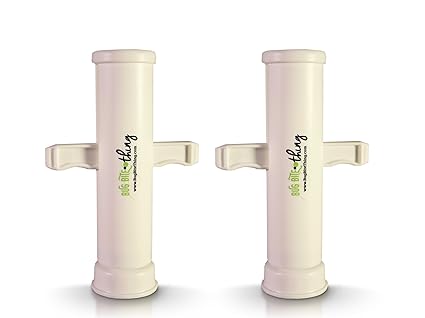
After Bite Insect Bite & Sting Treatment

What to do in case of insect bites? Treatment of insect bites


After Bite Insect Bite & Sting Treatment
 buy-button


With the weather warming and the approach of the summer season, one of the most feared and taken measures by citizens was insect bites. Insect bite, which usually presents with symptoms such as redness and itching on the skin, can in some cases be quite dangerous. So, what to do in case of insect bites? How is insect sting treated?
One of the things citizens fear the most is insect bites and stings. It is possible to take simple measures to protect your children and yourself from insect bites and serious problems, poisoning and fatal consequences. Here's what you need to do in case of insect bites.

WHAT TO DO TO PROTECT INSECTS?

Of course, it makes more sense to take precautions before the bites are bitten! Especially in light green areas, people going to picnic can carry chemical-free lotions in their bags with natural structure to prevent insects, flies and ticks from approaching. You can put insects away from you by applying them to your exposed body parts. In addition, to reduce the allergic reaction, itching against creams and lotions are recommended by experts to have with you.

However, when using such protectors, we recommend that you consult a doctor. Some of them are chemicals that are irritating to the skin and can react if absorbed. The substances used should not be absorbed through the skin. It should not irritate the skin. It shouldn't poison if it gets in your mouth and tongue. Here, in order not to be exposed to such bad situations, expert opinion is essential ...

SYMPTOMS OF INSECT STROKE

In insect stings, pain, swelling and discoloration occur in the inserted region. Swelling away from the area with insect bites, erythema, urticaria, itching, abdominal pain, vomiting, diarrhea, chest tightness, difficulty breathing, wheezing, tongue swelling may be present. These symptoms are signs of severe allergic reactions and appear within minutes. These symptoms, especially vomiting, chest tightness and swelling of the tongue is seen if you need to see a medical institution immediately.

WHAT TO DO IN THE CASE OF INSECT STUCK

Insect stings are a joyous and sometimes life-threatening problem for people working in the fields, holidaying and picnics, especially in early summer and autumn. The reaction after insect sting varies from person to person and from insect to insect.

In the case of insect bites, first try to find out what kind of insect bites you by staying calm, and if you feel really bad, go to the nearest health facility immediately. Do not scratch or squeeze the wound until it is seen by a specialist.

Common Insect and Mosquito Bite: The first thing to be done after insect bites and stings is to wash the area with soapy water and apply an antiseptic, germicidal solution. It should also compress with ice if a small swelling occurs at the insect sting. If there is a larger swelling or itching around the inserted area, you should go to the nearest health facility and have it checked by a qualified doctor as soon as possible.

ANT BIT: If you think you've been bitten by an ant, you should put ice on the blushing area for 10-30 minutes and apply antiallergic lotion.

TICK BIT: If you have been exposed to a tick bite, which is common in Central Anatolia and the Black Sea region, you should remove the tick's head with the tweezers as close as possible to the child's skin. The tick should not be squeezed, you should wash it with soap and water and apply antibiotic cream. Of course, all these procedures should be performed by a specialist physician or health personnel.

SPIDER BIT: One of the most common bite species is the spider bite. The bites of these bites, which are fluffy and red, should be washed with soapy water and put on ice. Dangerous black widow spider becomes pale red. If it is suspected, you should go to the hospital.

Fleas bites: Bites are usually seen down the knee, itchy, red lesions, calamie lotion ride relieves.


2AXX
After Bite Insect Bite & Sting Treatment

Bug Bite Thing Suction Tool, Poison Remover - Bug Bites and Bee/Wasp Stings, Natural Insect Bite Relief, Chemical Free

Bites by insects, spiders and reptiles


Bug Bite Thing Suction Tool, Poison Remover - Bug Bites and Bee/Wasp Stings, Natural Insect Bite Relief, Chemical Free
 buy-button

Before going on holiday, get to know the typical flora of the country concerned (especially the tropics) and be prepared for insects, spiders and reptiles that are not always harmless and can turn your holiday into a bad memory.

Mosquito

In temperate areas, mosquito bites are not life threatening, but in tropical areas, fly bites carry the risk of malaria and dengue. Mosquitoes become extremely uncomfortable, especially at night, in harbor or stream lengths.

If you have been bitten by mosquitoes and have a swelling in your conscience, wash with oxygenated water or soap and water. If itching and burning, you can apply cold compress or special cream. A popular method for coping with itching is the onion juice or onion which reduces itching with antibacterial properties and is cut transversely and printed directly on the point.

If you have high fever, allergy and other allergic symptoms as a result of biting, you should consult a doctor.

Wasp and wasp

If many people are afraid of the bites of such insects, their bites do not pose a danger unless there is much bite in the lips and throat area and they are not allergic at the same time.

Bee sting causes redness and swelling of the vicut, usually within 30 min and does not require special medical treatment. If the bee needle remains in your conscience, it should be removed with the help of pliers as soon as possible. Wash the bitten area with oxygenated water or soap. Cold compresses and also special creams will help reduce the uncomfortable sensation.

Neck, face and lip area is very dangerous to be bitten by bees and as a result of swelling becomes difficult to breathe. If you have difficulty breathing, hoarseness or snoring, wear a cool wrap around your neck, avoid swelling with cold water, and seek immediate medical attention.

Tick

Tick ​​bites cause Lyme disease and infections that are harmful to human health and other dangerous diseases. Knees are most common in forested areas and if you are traveling to these areas, choose long sleeves, thick socks, trousers, hats and suitable shoes. In between, you should use vicut and clothing sprays.

After leaving the hazardous area, carefully check all parts of your body. If you have found a tick on your body, remove it immediately with the help of pliers. Do not lubricate the area and do not rotate the tick while removing it; If you think that a part of the tick remains in your body, see a doctor immediately.

Spider

There are dangerous spiders such as tarantula, black widow, monk, etc. in the tropics. If you plan to travel to these areas, you should take precautions against a possible bite.

Always check where you stay (you can use a tulle / mosquito net to protect from flies). Always check your clothes and shoes before wearing them.

Treat spider bites in the same way as insect and bee bites, and seek immediate help from a doctor, perhaps adding serum or drinking an antidote. The main symptoms of dangerous spider bite - muscle aches, swelling, vomiting, sweating at the site of the bite.

Scorpion

There are about 600 species, scorpions of varying size and venom power in the world. Scorpions found in Europe are relatively harmless. Dangerous scorpions, cells and nervous system damage caused by biting live in Africa. The main symptoms are muscle paralysis, shortness of breath, heart problems, visual disturbances and bleeding. You should see a doctor immediately in case of a scorpion bite.

The scorpions are more active, especially at night, so check your bed and your clothes before going to bed.

the annual

Despite their bad remembrance, snakes rarely attack and avoid contact with humans. However, it may bite while sitting or accidentally stepping on the snake. Clean the wound against the snake bite, do not move the area, because the haraker causes the poison to disperse quickly in the body. Prevent blood from getting into the bitten area with the help of a garment or belt. Never try to suck the poison. Go to the hospital without delay.


1AXX
Bug Bite Thing Suction Tool, Poison Remover - Bug Bites and Bee/Wasp Stings, Natural Insect Bite Relief, Chemical Free

Monday, August 5, 2019

Controlled Life Scented Baby Disposable Diaper Bags (with convenient handle ties), 300-Count (Mega Pack)


10 questions that premature baby mothers wonder


Controlled Life Scented Baby Disposable Diaper Bags (with convenient handle ties), 300-Count (Mega Pack)
 buy-button


Every year, approximately 150,000 premature babies are born. These babies who came to the early world, according to the babies born in time; respiratory and nervous system, hearing, vision, cognitive functions related to learning at a later age. Therefore premature baby care requires precision and care.

1. Is every premature baby premature?

One of the common misconceptions is that it is possible to determine whether the newborn baby is premature by weight. However, birth weight does not indicate whether the baby is premature or not. A baby weighing 2,000 grams is not premature, whereas a baby weighing 3,000 grams may be premature. Babies born before 37th week are called premature babies.

2. Do premature babies experience serious health problems?

In infants born before 37th week, disorders of vital organs and organ systems such as brain, liver, kidney, heart, lung, intestines may occur. Immediately after birth, with the first breath, the baby must adapt to a completely different system than the circulatory system in the womb. As the gestational age of premature babies gets smaller, problems in other organ systems, especially the respiratory system, are increasing. For this reason, it is important that the premature baby will be born in centers with neonatal intensive care units.

3. Should breastmilk be given to premature babies immediately?

Immune system expects to suck, swallow, breathe and coordination of all the baby born before maturity. In the premature baby, it is especially important that the first feeding is done with the first milk from the mother called colostrum. Breathing, bruising attacks, sucking, swallowing and breathing during feeding are common problems in the first days of the adaptation to the external environment where coordination is provided, sometimes lasting a few weeks. In premature infants, food escape from the stomach to the esophagus can cause slowing of heart beat and bruising attacks.

4. Why is heat loss more important in these babies?

Premature babies' skin thinness, subcutaneous fat tissue is very little because of the ability to produce heat. As soon as it is born, the heat loss will reach the extreme level when the first maintenance is done in a place where proper heat environment is not provided, without drying well. When the body temperature decreases, the body will consume more oxygen to produce heat. Increasing oxygen consumption for heat production on top of a premature baby who already has respiratory distress will increase the need for oxygen several times. This will lead to deoxygenation, cerebral hemorrhage and severe deterioration of organ systems. Therefore, in order to minimize heat loss in premature babies, the first interventions to be done immediately after birth should be done under a heat source, the skin should be dried carefully and the head where the most heat loss is experienced should be covered as soon as possible. Never bath before 24 hours.

5. Does premature babies also have jaundice?

Premature babies are redder than babies born at the time. This is due to the high blood cell count and the very thin skin. Jaundice in premature infants lasts longer than those born in time. Bilirubin released by the breakdown of large numbers of blood cells gives the skin and eye white a yellow color. Treatment of jaundice is provided by adequate nutrition and phototherapy.

6. What should be done to protect premature babies from infection?

Hand protection should be provided before touching these babies to prevent premature babies whose body defense functions are extremely weak to be protected from infections. For this reason, hand washing should be an indispensable habit in newborn units. The newborn unit should be ventilated with a ventilation system with a closed-circuit microbe filter. In order to protect a premature baby against pertussis, it is very important to vaccinate the mother and father who have the highest contact with the baby, especially with the application of a recently proposed cocoon strategy.

7. Does premature babies have blood pressure?

Another problem encountered in premature babies is brain hemorrhage and related complications. The blood-brain barrier, which prevents the direct reflection of changes in blood pressure in premature babies to the brain, is not fully mature in premature babies. Monitoring of blood pressure changes is important. The number and intensity of stimuli given by environmental light, sound and touch are reduced in addition to the necessary sedative medications in infants in intensive care. Premature infant is one of the most important principles in follow-up units with “Less hands, more eyes gözle.

8. Do premature babies have a higher risk of hearing and vision ?

Another problem encountered in premature babies is visual loss. Early detection of the disease makes treatment possible. Certain ophthalmologists are involved in such operations, dealing with network layer diseases of the eye. Low blood sugar, calcium and magnesium are other metabolic problems encountered in premature infants. For the treatment of the missing or intravenous or oral replacement is detected. Other conditions of hearing impairment and cerebral palsy are seen in infants receiving oxygen therapy with an assisted breathing device weighing less than 1000 g before the 30th week.

9. How is the premature baby going home?

It can be completely fed orally with breast milk or formula formula, tolerates its feeding, respiratory rate is 25-55 / min. infants who do not have any organ dysfunction requiring hospital treatment are included in the discharge plan. Mother education is given one-to-one. If the mother can feed her baby, if the baby does not develop a problem, if the baby is turned into a car seat, bruising, fainting and breathing symptoms can not be seen and can maintain the body temperature in the room air can now be sent home.

10. What are the points that the family should take care of in the care of the premature baby at home?

Daily poop number, urine amount, meal hours, meal quantities should be recorded in a table. Abnormal conditions should be recorded and shared with the doctor. It is recommended that the room temperature should be 23-25 ​​degrees and in accordance with this temperature, the infant on the top, the coverall on top and the thin blanket on the bed, and lay in its own bed in a noiseless environment. In case of food rejection, inability to suck, continuous crying or no crying, being in a very loose position and when the limbs are moved when the legs are moved, bruising, frequent and difficult breathing, fever or low body temperature, visible doctor should be consulted urgently. Infants born under the age of 28 weeks are observed to be 3 years old and older premature babies are followed up until 2 years of age by observing their growth and development. After this age it is no longer necessary to look at the corrected age. He must have caught his peers.


49Axx
Controlled Life Scented Baby Disposable Diaper Bags (with convenient handle ties), 300-Count (Mega Pack)

MOM EASY Biodegradable and Compostable Diaper Sacks 120 Counts with Blue Pouch Easy-Tie Baby 100% Disposal Diaper Bags Blue Large Unscented


Ingestion of chemicals and foreign bodies in infants and children


MOM EASY Biodegradable and Compostable Diaper Sacks 120 Counts with Blue Pouch Easy-Tie Baby 100% Disposal Diaper Bags Blue Large Unscented
 buy-button


From the moment the baby is born, it has the ability to absorb the surrounding objects. This talent is an extraordinary reward that nature gives to the baby. Nutrition is only possible through this and the baby receives the necessary nutrients from the mother's breast. Skills such as intelligence, walking, sitting, speaking are not yet developed, but absorption is from birth as a reflex. Therefore, the newborn absorbs all the objects around it. As the baby grows and gains mobility, it reaches its immediate surroundings. During the crawling and walking periods, it now finds very small objects found on the carpet and upholstery and leads to the mouth. In short, the size and number of hazards increases. What are these hazards? What are the substances and substances that are brought to the mouth that are foreign to the body other than food? Ingested or smoked harmful substances can be examined in 2 groups.

1. Solid materials
2. Liquids

Drinking fluids harmful to the body:

Many liquid substances in our homes are life-threatening. For example dishwasher detergents and degreasers, bleachers, kitchen and bathroom cleaning agents, descalers. These liquids are generally alkaline.

Although the burning effect of packaged and branded products is less, the chemical cleaning fluids sold outdoors are harmful to humans.

Accidental drinking of chemicals used in paint and painting is another common situation. Irritating and tissue-burning liquids such as paint and thinner are toxic substances due to their chemical structure. These poisons may act in a short time, ie as a result of the absorption of substances such as lead they lead slowly and chronically may cause damage to organs such as the brain, nervous system, liver and kidney.

It is the result of burning of the esophagus and stomach when accidentally drinking the substances standing in places where the baby and child can easily reach at home and in attractive packages. Burns, inflammation and damage to the mucosa lead to a gradual narrowing of the esophagus days or weeks after ingestion of harmful fluid. The baby starts to vomit constantly, feeding is disrupted.

Diagnosis and treatment methods:

Endoscopic examination can tell you the degree of burns and damage. The main treatment is the cessation of oral feeding and the administration of various drugs in intravenous serum. X-ray is performed to investigate disorders of the lungs and digestive system. Although the treatment of narrowing esophageal burn is very successful, dilatation called dilatation is performed several times in severe constrictions. Nowadays, all these treatment methods can be applied easily thanks to the developments in pediatric gastroenterology expertise.

Problems with ingestion of solids:

The most common object that babies and children swallow is metal coins. Because it is easily found and carried and stored by family members, coins of various sizes, which are always possible to be seized, are easily passed from mouth to esophagus. It was usually a place in the middle of the chest, attached to the esophagus. Small toy pieces, Legos, metal nails, screws, wrenches, pens and paint pieces are other highly ingested solids. However, as they cannot pass through the stomach exit hole, they stay there and under the influence of stomach acids and enzymes. Plastic and metallic objects do not have a sudden detrimental effect if they are not sharp and penetrating. But for the baby, such as a small clock battery, attractive, easy to swallow, innocent-looking objects unfortunately inside the stomach, opening with the digestive effect of acid leaks harmful and toxic substances in this case, the chemical effect becomes more important than mechanical effect. In addition to poisoning, perforation of the organ may occur. Another danger to newborn babies is the gold pieces worn by family relatives for happiness, mashallah and safety pins. In this case, the open needle tip is inserted into the esophagus or stomach. In short, happiness begins to turn into disaster.

What are the symptoms of solid foreign body ingestion?

Although symptoms vary depending on where the substance is inserted, coughing and continuous saliva flowing through the mouth should attract the attention of the mother. Difficulty in breathing and bruising may also be added to this table if pressure is present in the respiratory tract. Steady objects in the esophagus or stomach cause abdominal pain after a while. The baby refuses to feed, does not want to swallow mouth bite. It may cause inflammation and damage to the surrounding tissue and may cause perforation and fever.

Diagnosis: The easiest diagnostic method is radiological examination of the baby. Metal objects are easily seen on the X-ray. However, since plastic, fabric or soft objects do not appear on the X-ray, they are found with the help of fiberoptic instruments called endoscopes.

Treatment approaches: The most frequently asked question of mothers is about how long the foreign body can remain in the body and the damages. Hard and sharp substances should not be removed by vomiting. Safety pin is one of the most risky objects in this regard. With the device called endoscope, even in newborn babies, it is possible to reach the foreign body in a few minutes and remove it without damaging the body. Round, slippery substances that do not dissolve in the stomach, such as coins, must be removed if they have been in the stomach for more than 24 hours. If the substance that is considered harmless has left the stomach, the feces of the child and the baby are constantly monitored and kept under control until the foreign body exits the body.

We must be aware that the substances that we use every day and which are always at hand are hidden hazards for our babies and children.


48Axx
MOM EASY Biodegradable and Compostable Diaper Sacks 120 Counts with Blue Pouch Easy-Tie Baby 100% Disposal Diaper Bags Blue Large Unscented

Dekor Plus Refill by Hathaway, 4 Pack The Most Economical Dekor Diaper Pail Refills Save 30%, Dekor Plus Diaper Pail Refills Holds up to 2320 Diapers and 4 Pack Bamboo Charcoal


Cautions in Changing Babies


Dekor Plus Refill by Hathaway, 4 Pack The Most Economical Dekor Diaper Pail Refills Save 30%, Dekor Plus Diaper Pail Refills Holds up to 2320 Diapers and 4 Pack Bamboo Charcoal
 buy-button


As a result of comparisons between disposable diapers and cotton diapers, it is seen that there is no economic difference. However, it can be said that disposable diapers have better absorbency rates and are more comfortable because they do not make the baby feel wet.

On the other hand, disposable diapers are better for infants and unwanted leakages are less common. Disposable diapers are also preferred in terms of diaper rash development.

Subchange

It is very important to keep your baby clean and dry in order to keep your baby healthy. Negative situations that may affect nutrition and sleep may also lead to the loss of the peace of the entire household.

In this brochure you will find the points you need to pay attention to to change your baby's diaper, and the information we have prepared for you to prevent or cause diaper rash.

Replacement Time

If your baby is pooping, "don't be late" will be our first word to you.

One of the most important parts of your baby's daily care, sub-care can be expected to be around 7-12 per day in the first months. These amounts will decrease as they grow. If anything is wrong with you, you should consult your pediatrician as soon as possible.
If the baby is unclean or uneasy before feeding, the diaper should be replaced because the unclean baby may not be able to suck as much as necessary. On the other hand, you may need to change your baby's diaper, as there may be defecation after feeding due to increased bowel movements.

Wiping material: Wet wipes and towels should be avoided especially in the first months, even if they provide ease of use. While these products provide practical benefits when you are out of the home, alcohol-containing products should not be used as they disrupt the protective layer of the skin. In addition, water-wetted wet wipes of some brands which do not contain any chemicals can also be used.

For the first two months, infants should only use pre-boiled, warmed water and cotton during use (rectangular baby cottons sold for newborns or disc cottons used to remove make-up provide ease of use in this respect).

After two months, it is better to continue with water instead of using ready-made wet wipes or towels again. In this period, pre-folded toilet paper can be used instead of cotton (preferably 3-ply toilet paper, whose quality and softness are trusted).

Changing mat and protective cover: For your baby's comfort, a cushion or mat made suitable for changing the base will be helpful. Babies who experience relief when they are opened may want to urinate or poop again. To control such unwanted contamination, we recommend the use of a yatak mattress protection cover tasarlanmış designed according to the dimensions of the bottom changing mat.

Waste bag or bucket: It is best to have the waste products released during the sub-change at hand.

If your baby's skin barrier does not deteriorate, rash or rash, the diaper may stay longer unless it poops. But if there is poop, it should be cleaned as soon as possible.

Anti-rash or protective creams : See the explanations in this section entitled Rashes.

Preliminary

❖ All materials must be prepared in advance and within easy reach.

❖ Hands should be washed before changing the bottom.

❖ It is very important that the place you are changing is safe for the baby. After a while, babies who have managed to return to themselves, can fall when you leave your eyes for beer. Most of the household accidents are caused by the fall of infants who are left alone for material supply or waste disposal during subchange.

❖ Since at least half of your baby's body will remain naked, care should be taken to clean the floor in a place that is not too hot or cold and does not receive airflow.

Changing the soiled cloth is carried out in 4 steps.

Opening; After the dirty cloth has been removed, grasp the baby's two feet with one hand and squeeze the feet up. With your other hand, remove the baby's diaper by sliding it from top to bottom, and fold it under the baby's butt. Thus, most of the solid stools contaminated with the butt will come into the cloth and may prevent some old cloth cover from being dirty while you clean the butt.

Cleaning; Always do the cleaning from front to back, ie from the top down when the baby is lying, from abdominal level to the butt, especially for the urinary tract health of girls (not to infect the urine of feces). For male babies, you can first clean the perimeter of the anus and then the bottom of the pipette and the area around the testicles by gently lifting the pipette without pulling the pipette from the top downwards. When changing the wiped area, the cotton or paper product you are wiping should be used as little as possible [ie not repeatedly wiped with the same tissue, paper or cotton), but should be changed frequently.

To dry; We should also keep in mind that it is necessary to dry and ventilate well. With soft towels, toilet paper or cotton, it is very important to dry the wiped areas of the baby with gentle touches - without rubbing. If the ambient temperature and time is available, after cleaning the baby's diaper and keeping it open for a minute before closing the diaper, your baby will like it and you can be sure that the diaper is completely dry.

Closing; When tying a new clean diaper, do not squeeze the waist too tightly; it should not be too loose, if the two fingers can easily enter the baby's diaper and belly, this tightness is sufficient. Folding the front of the diaper after changing the diaper in newborns will prevent pressure on the belly that has not yet fallen or has just fallen. After the cloth is tied, you can move your finger around the leg and straighten the folded edges outwards to prevent leakage.

It is important to remember that the hands should be washed again after changing the bottom.

Attention in Male Infants

Most babies, especially male babies, tend to pee with the coolness they feel when the diaper is opened, so you can either loosen the diaper and wait for a little while to make the old diaper, or put a napkin you will have in your vicinity until you clean your diaper. For male infants, the foreskin should never be pulled back during cleaning.

When closing the diaper, directing the baby's pipette downwards may prevent wetness that may reach the navel level.

Attention to Baby Girls

Urinary tract infections in girls are very close to each other because of the urinary stool and urinary tract infections are more common than men. In order to prevent contamination of the feces into the urinary tract, it is very important for girls to wipe from the urinary tract to the anus, ie from the front to the back. In addition, the wiping process should be carried out with a single movement, the dirty cotton / handkerchief should not be used and wiped off in this area. Stool residues between the vagina entrance and the small lips should not be forgotten, this area should be cleaned gently but absolutely.


47Axx
Dekor Plus Refill by Hathaway, 4 Pack The Most Economical Dekor Diaper Pail Refills Save 30%, Dekor Plus Diaper Pail Refills Holds up to 2320 Diapers and 4 Pack Bamboo Charcoal

Munchkin Arm & Hammer Diaper Bag Refills, Pack of 2 x 72 Count


Causes Of Hairworm In Infants, Symptoms And Treatment


Munchkin Arm & Hammer Diaper Bag Refills, Pack of 2 x 72 Count
 buy-button


Baby Poop Worm

It is very common to see hairworm in baby poo . Hairworm is a parasite that affects the intestines. These white, hair-shaped, thin worms are a few millimeters tall. These wolves multiply from eggs. Sometimes they grow to reach one meter tall. Babies can get infection from these worms. If your baby is infected with hair worms, it causes restless sleep and itching in the anal area. He often wakes up at night and shows his discomfort with crying. Causes of hairworm in infants , what are the symptoms and how is the treatment done?
Babies should be checked frequently. Especially infants who have switched to supplementary food are at risk. This is very common in infants who have switched to supplemental food, or in infants who have completed their 9 months of age and slowly entered childhood. For this reason, if you see a wolf in the baby poop, you should go to the doctor immediately. The treatment of hairworm in babies is simple and easy. This disease is infectious. Since the hairworms multiply from the eggs, they reproduce very quickly.
Wolves most commonly seen in primary school age children are taken by mouth and eggs are opened and multiplied by opening in the small intestine. In the intestines, the hairworms, which can survive for a few months or a few years, stick to the intestinal mucosa and feed on organic matter and blood. For this reason, they cause anemia in children.

Worm Symptoms in Infants

The wolves hatch at night, and it is much more for this reason, especially at itching nights. It can be learned by checking the poop whether the baby has a worm in the poop. White, fine, hair-like parasites occur in the poo. Occasionally it is necessary to check the baby poop.
Infants suffer loss of appetite when they have worm. You wouldn't want to suck and get additional food. Stomach sick and vomit occasionally. Itchy nose and need to scratch his nose with his hand. His mouth may slobber. Since these symptoms are very common when babies take their teeth, it should be paid more attention to the presence of hairworm symptoms in other babies.
If the baby is very restless at night, trying to turn means itching. Itching in the anal area is felt intensely. If your baby's hand is constantly moving towards the anal area, you should suspect that. In particular, the baby worm should be checked when the wolf makes his first poo or poo at night.
If you suspect that babies have worm, you should understand this by performing a selo tape test on your baby. Press the transparent tape gently into the anal area of ​​your baby and see if the wolf comes on the tape.
Especially at night, the wolves come out of the eggs is useful to do the controls at night. With a flashlight you can also see if there is a visible wolf shedding light on your baby's anal area. These tests can be done in the early hours of the morning. You don't need a blood test to be a wolf. Symptoms confirm the presence of wolves, and if you see wolves in your poo, you should immediately see a doctor. Hair worms reproduce and multiply in the stomach, intestines in a very short time. Especially if the treatment is late, it progresses to the bladder. The eggs pass to the bladder with baby poop. This is particularly dangerous for girls.
If you are having difficulty seeing a wolf in a baby poop, but you have other symptoms, you can still go to the doctor. It is taken from baby poop and tested. As a result of this test, your doctor will clearly identify whether your baby has worms or not.

Why does a worm occur in babies ?

Hairworm is very common in infants. This situation is not very common in infants receiving breast milk. When the baby passes to the supplementary food or begins to play with the toy is then seen.
The objects and toys handled by the babies pass through the hairworm. Babies take everything in their mouths. It takes every object or toy to its mouth without looking at it from the carpet or the floor. Particularly at the time of teething gums itching to scratch it takes everything in the hands of the mouth to scratch. Worm eggs can pass through anything stuck in the dirty and inadequate hygiene.

Even if one person is a wolf in the family, it passes on to others in these ways. It passes from laundry, bed linen, toilets and in many ways to family members. Wolves passing from people to ready-to-eat foods and water can easily be transmitted to the household. This situation in the family passes easily to the baby.
These babies can pass because babies eat and drink when they switch to additional food. Therefore, it is necessary to pay close attention to the cleanliness of everything the baby eats and drinks. Eggs pass to babies as a result of poor washing of fruits and vegetables. By squeezing the juice of a poorly washed fruit or preparing the baby's food without washing the hands, the worm eggs pass to the baby. Even if a family member touches the baby with dirty hands, worm eggs can somehow pass on to the baby.

Hairworm Treatment in Infants

For the treatment of hairworm in infants, a doctor should be consulted first. Your doctor will start medication for your baby. This treatment is applied to all family members. It is contagious and the whole family needs medication.
Babies are bathed in the morning because hair worms produce at night. It is very important that the baby does not come into contact with bath water to prevent re-infection from these worms. The baby should be bathed by hand and should not be in contact with bath water.
All baby clothes, linens, cloths and pajamas are washed with hot and soapy water. These washed laundry should then be ironed.
The places where the baby walks are thoroughly swept with a vacuum cleaner, thus preventing the spread of infection. By laying a clean and ironed sheet, the baby can be prevented from contacting the surfaces such as carpets and rugs.
The toys of the baby and the objects he puts in his mouth are washed thoroughly with soap and hot water. It is put into clean containers without any other contact. Every place where the baby wanders is thoroughly wiped with hot and soapy water. Lavender oil and vinegar is added to this water and it is beneficial to remove it. Lavender oil is germicidal. Therefore, every place where the baby can touch should be cleaned in this way.
Wolf eggs do not like the sun's rays. Therefore, the house should be ventilated and sunbathed in plenty. Especially your baby's room should be ventilated and sunbathed every day.
Care should be given to cleanliness in the production of additional foods to be fed to your baby. Vegetables and fruits should be washed thoroughly and kept in vinegar water for a while. The baby's pacifier should be washed immediately when it falls to the floor. He should not be allowed to put anything he takes off the floor without washing again.


46Axx
Munchkin Arm & Hammer Diaper Bag Refills, Pack of 2 x 72 Count

Baby Disposable Diaper Bags, 100% Biodegradable Diaper Sacks with Baby Powder Scent and Added Baking Soda to Absorb Odors ( 250 Count )


Constipation in infants and children


Baby Disposable Diaper Bags, 100% Biodegradable Diaper Sacks with Baby Powder Scent and Added Baking Soda to Absorb Odors ( 250 Count )
 buy-button


- Your child suffers from pain or crying while pooping AND / OR
- inability to poop after buckling or forcing for more than 10 minutes AND / OR
- Poop as hard as goat droppings
- Smeared blood in stool or dripping after stool
- He has not pooped for more than 3 days (EXCEPTION: In infants over 1 month and who are breastfed, infrequent abdominal muscles may not be normal since the abdominal muscles have not yet developed).

The following findings are NOT constipation:
° Soft feces with normal grumbling, strain or straining for less than 10 minutes
° Thick but soft stools or pooping every two to three days
° If it comes off easily, a hard or dry poop (especially for babies fed with food or babies who use medication for gas pains) is normal.
- Main reason: a diet with a high consumption of milk, lack of fiber in the diet, postponement of pooing (fear of toilets in children, lack of toilet cleanliness, or fear of pooing).

Home Care Advice For Constipation

1. Diet for babies under 1 year of age:
- Add 30 mL x age (in months; 120 mL for a 4-month-old child) to the diet of infants older than 4 months who are exclusively breast-fed or formula-fed. Grape, pear or prune juices are suitable for all ages.
- Add baby food containing plenty of fiber twice a day (peas, beans, apricots, prunes, peaches, pears, plums, apricots, spinach) to the diet of babies older than 4 months.

2. Diet for children over 1 year:
- Increase fruit juices (apples, pears, cherries, grapes, prunes) (note: citrus fruits are not useful in this case).
- Give your child plenty of fiber and vegetables (peas, beans, broccoli, bananas, apricots, peaches, pears, figs, prunes, dates).
- Increase foods made from whole grain cereals (wholegrain cereals, wholegrain crackers, oatmeal, brown rice, wholegrain bread; popcorn can be given if the child is older than 4 years old).
- Reduce constipation foods (milk, ice cream, cheese, yogurt or baked carrots).

3. Stop Toilet Training:

- Temporarily clothe your child.
- Reassure your child that his butt won't hurt when he poops.
- Celebrate when he poops. Avoid pressure, punishment, or physical coercion if it is caught in the poo, does not want to sit on the seat, or resists training.

4. Seating in the toilet (if the child has received toilet training):
Create a regular toilet habit by sitting on the toilet for 10 minutes after meals, especially after breakfast.

5. Consult your Doctor in the following Condition (s):
- If a diet that does not cause constipation lasts longer than 1 week, the time between two subsequent stools is longer than 3 days
- If your child's condition worsens, or if you have any symptoms that require you to consult your doctor.


45Axx
Baby Disposable Diaper Bags, 100% Biodegradable Diaper Sacks with Baby Powder Scent and Added Baking Soda to Absorb Odors ( 250 Count )

Signstek Diaper Pail Refills for Diaper Genie Pails,2160 Count,8-Pack


My baby has slimy blood on his poo, what should I do?


Signstek Diaper Pail Refills for Diaper Genie Pails,2160 Count,8-Pack
 buy-button


The presence of slimy blood in the baby's poo can be caused by bowel infection, allergies to certain foods such as milk, the use of blood medication in the infant, and a crack in the breech. We asked this question to the doctors, here are the answers:
Sual: My baby made his poop bloody and slimy today, why?
REPLY

Child Health And Diseases Assist. Assoc. Dr. Seydi Battal Gölgeli's answer: (Your child is probably suffering from a bowel infection. It should be examined by a pediatrician and fecal analysis should be done.)
Underwater: My baby is 3 months old. There is little blood mixed with slimy poop at intervals of 4-5 times. Blood, urine and poop tests showed no infection. There's no crack in his ass. Why else could this happen?

REPLY

Child Health And Diseases Assist. Assoc. Dr. Seydi Battal Gölgeli's answer: (Bloody and slimy poop is definitely a sign of disease. Assays should be repeated in a wider way.)
Sual: My baby is three and a half months old. It was bloody and slimy. What does this poop mean?
REPLY

Child Health And Diseases Murat Aydin's answer: (Take your baby to a pediatrician. Have an examination, the doctor will ask for a poop analysis, according to the results of the analysis will detect.)
Sual: My baby is five months old. Slimy poop is occasionally seen in his poo. We did a test on his poop, nothing did. Our doctor told us to watch for a few more days. Our bloody slimy poop problem continues, what should we do?
REPLY

Child Health And Diseases Murat Aydın's answer: (If blood is seen in the poop, it will require examination. Take it to the university hospital.
Underwater: My baby is 51 days old. He's been pooping twice since today. Greenish slimy and blood clot, what do I have to do?
REPLY

Child Health And Diseases Süheyla Gör's answer: (If you don't have fever and excessive vomiting, don't worry if the suction is normal, this is normal.
Sual: My baby is nine months old. Nearly 4 diarrhea a day for two weeks. The poo is dark green and bloody slimy spots. There was no blood today and his poo turned pale yellow, but again slimy. What did I do?
REPLY

Child Health And Diseases Assist. Assoc. Dr. Seydi Battal Gölgeli's answer: (Your son may have amoebic dysentery. If not treated, it can have serious side effects and life-threatening consequences. Please have your child examined by a pediatrician and have the necessary tests. should start.)
Underwater: My baby is 25 months old. Nowadays solid food is fed by weight. It's slimy and bloody. I wonder if the poop is bloody and slimy because it is solid, or is it a problem in the intestines or a symptom of the disease?

REPLY

Child Health And Diseases Barış İlhan's answer: (Make sure to analyze the poop. If there is a positive blood in the feces, it should be examined further.)
Child Health And Diseases İlhan Tanju's answer: (Take your baby to the pediatrician. Bloody stools may be due to solid feeding, but we cannot be sure without examination.)
Sual: My baby is 43 days old. He's having a hard time pooping. 10 days ago, made a slimy and bloody poop, we tested the parasite appeared. I don't give my baby anything except breast milk. We started syrup occasionally there is blood in his poo, but the parasite doesn't come out in our tests and his poo is juicy. I'm so worried, what should we do?
REPLY

Child Health And Diseases Barış İlhan's answer: (It is interesting to see parasites in the poo of a baby who only gets breast milk. I think that the blood develops more depending on the fracture in the rectum. I suggest you have your child examined by a pediatric surgeon.)
Underwater: My baby's poo is slimy and bloody. Our tests were clean. What do I do?
REPLY

Child Health And Diseases Assist. Assoc. Dr. Seydi Battal Gölgeli answer: (Intestinal infections and intolerance to milk sugar, especially bloody and slimy poop that causes many diseases. There is a reason for your baby to poop in this way. There is a reason for your baby to be examined by a pediatrician and have detailed analysis. )


44Axx
Signstek Diaper Pail Refills for Diaper Genie Pails,2160 Count,8-Pack