Friday, August 16, 2019

Benadryl Itch Relief Spray Extra Strength 2 oz (Pack of 3)

First aid for insect and animal bites. First aid for bites of rabies, poisonous snakes and insects


Benadryl Itch Relief Spray Extra Strength 2 oz (Pack of 3)
 buy-button


promotion

We live in big cities and strive for nature, less inclined to think of the fact that it can give us unpleasant surprises. At the same time, a modern person living in the urban world forgets about the aggressive wildlife that he can sometimes go on vacation even in his own home as he goes to nature on weekends.

In the meantime, more than 10 million people in the world are attacked by poisonous animals each year and more than 50,000 victims die. Millions of such cases are caused by the bites of poisonous snakes, 30–40,000 deadly.

On the territory of Russia, a relatively small number of animals live, potentially dangerous to humans. Among them, 14 species of poisonous snakes ("blind" cobra, snakes from the viper family: Central Asia and the Caucasian gyurza, viper and sandy ef, Pallas moth), insect class bees, horns, bumble bees, wasps beetles, spiders: karakurt, scorpion and tarantula, amphibians - gray, green and reed frogs, various salamanders, red-bellied toads and common garlic.

1. Toxic insects and animals

1.1 General characteristics and toxicity of animals and insects

Poisonous animals contain substances that are toxic to humans and other species in the body continuously or periodically. Even small doses of poison entering another animal's body cause painful disorders and sometimes death. In total, there are about 5,000 species of toxic animals: protozoa - about 20, intestinal cavity - about 100, worms - about 70, arthropods - about 4 thousand, mollusks - about 90, echinoderm - about 25, fish - about 500, amphibians - about 40 , reptiles - about 100, mammal - 1 species. In the USSR - about 1,500 species. Among the poisonous animals, snakes, scorpions, spiders, warrior insects and others are the most studied; at least amphibians, fish, molluscs and intestinal cavities. Poisonous animals are representatives of various systematic groups, from protozoa to vertebrates. The degree of toxicity of representatives of the same species may vary depending on the season, diet and other factors. Females are more toxic. The males of some poisonous animal species are generally not toxic.

1.2 Mechanism of toxic action

Toxins of poisonous animals (zootoxins) belong to different classes of chemical compounds. The complexity of zootoxins causes various toxic effects as a result of exposure to various body systems.

Thus, the protein component of animal poisons causes primary damage to the central and peripheral nervous system, disruption of rhythm, and conduction of the heart; Anaphylactic reactions are also possible because many proteins are potent antigens.

Some zootoxins contain glycosides that act on autonomic nerve endings and cause simultaneous damage to the nervous, cardiovascular and digestive systems. The individual responses of the victims to the same zootoxin are different. Zootoxins are particularly difficult to poison in children. In addition, people who have been previously sensitized with zootoxins are highly likely to develop anaphylactic shock.

Some poisonous animals have special glands that produce poison, while others contain toxic substances in various tissues of the body. Some animals have a wound device (armed poisonous animals) that encourages poison to enter the body of an enemy or victim.

In the simplest (eg, infusoria), these are trichostats, in the intestinal cavity (hydra, anemones, jellyfish) - in the inserting cells, in the "caterpillar" caterpillars - in the body, in the body, in the body, in the body, in the body, in the body, in the body, in the body, in the body glands attached to thorns (eg scorpion) and gill covers (sea dragons). In many animals (centipedes, spiders, some dipterans, bedbugs and also snakes), poisonous glands are attached to the mouthpieces and injected by biting or puncturing the toxic victim's body.

In toxic animals, such as amphibians (salamanders, regenerators, frogs and others), which have poisonous glands but do not have a special apparatus for injecting poison into the victim's body, the glands are found in different parts of the skin; When the animal is irritated, the poison is released on the skin surface and acts on the mucous membranes of the predator.

2. Insect bites

Insect bites can be divided into two large groups: hymenoptera bites (mosquitoes, bees, wasps, donkeys, gadphits, etc.) and arachnids (tarantulas, scorpions, mites). The human body responds to insect bites with three kinds of reactions.

Local reaction - redness, swelling, pain, itching or severe burning in the bite area, a local increase in the lymph nodes. General toxic reaction usually occurs with multiple bites - tremor, fever, nausea and vomiting, headache, pain in the joints. Allergic reactions can also occur in single bites in individuals susceptible to such reactions.

Allergic reactions occur as urticaria, angioedema or even anaphylactic shock.

2.1 Hymenoptera Bites

Mosquitoes, mids, gadgets do not have poisonous glands, and when bitten, they inject a special substance that prevents blood from clotting. Reaction to bites, as a rule, only local. A person can transmit more than one bite (up to 100 or more) of these insects without disturbing the overall situation.

Try using the following remedies to reduce local symptoms. When you alternately dip your finger in water and dry soda, rub this finger over the bite points; can be transmitted with a strong soda solution. Soda is believed to reduce swelling and itching. Menovazine has a good analgesic and antipruritic effect, but cannot be used by Novocain-sensitive people. Reduce inflammation and itching ortofenovaya and butadionovaya ointment. Someone helps good balm "stars". After the bites there is a special cream "OFF". They can be stained with bright green to prevent infection of the bite areas. Folk remedies are recommended to use grated young potatoes, crushed onions or garlic, parsley leaf juice oats. Removing insects can be special means: creams and lotions applied to the skin and clothing ("Moskitol", "OFF", "Taiga", etc.), repellent aerosols, cigarette spirals, etc. All these products are toxic and are not recommended for use by children and pregnant women under 3 years.

Bees, wasps (they bite only once in their lifetime, then die), wasps and donkeys (they can suffer several times) poison us with bites. The local response to the bites of these insects is, as a rule, very apparent. It is characterized by the development of significant edema that can be dangerous, even if it is a local reaction, found on the face, especially the lips or inside the mouth.

Allergic reactions to the bites of these insects are quite common. Urticaria is a rash accompanied by severe itching, accompanied by blisters on the background of the skin's redness. It can be found in any skin area. Quincke edema ("giant urticaria") is a rapidly growing, otgorny swelling of the skin or mucous membranes. It can occur not only directly at the bite site, but also anywhere else. His favorite localization is the mucosa of the face, oral cavity, soft palate, limbs and genitalia.

Allergic edema of the larynx is particularly dangerous. A rare but very dangerous reaction is anaphylactic shock. Within a few minutes, the victim suffers from shortness of breath, severe tremor, fear of death, rapid heartbeat, blood pressure drops rapidly and coma. Locally this - blister, rapidly increasing edema, bleeding.

2.2 Assistance to victims

Carefully inspect the bite area. The left connector must be removed. At the same time try not to squeeze it, so that the remnants of poison do not fall into the wound. Apply cold to the bite area. You can use hydrocortisone or prednisone ointment to reduce swelling and local inflammation. People who are prone to allergic reactions, it is better to give an antihistamine immediately. This should be done in case of a “dangerous” localization of the bite (face and especially the oral cavity).

In cases of mild allergic reactions, taking an antihistamine inside is also sufficient. Claritin is given 1 tablet (10 mg) or 2 teaspoons. For children and adults over 30 kg, 0.5 tablets (5 mg) or 1 teaspoon of syrup. Syrup for children older than 2 years up to 30 kg, 0.5 teaspoons. Syrup to children up to 2 years. The drug is taken once a day. Tavegil is prescribed to adults and children from 1 to 12 years and children from 1 to 12 years (1 mg) for children from 12 to 12 years - for children from 3 to 12 years - from 0.5 to tablets twice a day .

In severe allergic reactions (widespread urticaria, nausea, vomiting, abdominal pain, angioedema that breaks the general condition rapidly spread), antihistamines should be given intramuscularly.

Tavegil (2 ml / 2 mg ampoule) for children is administered by dividing into two injections at a dose of 0.025 mg / kg per day to adults - 2 ml (2 mg) twice daily.

Suprastin (1 ml / 20 mg ampoules) for children under one year 5 mg (0.25 ml), 2-6 years, 10-20 mg (0.5 ml) for children with 10 mg (0.5 ml) 5 mg (Administered at a dose of 0.25 ml) - children aged 7-14 years, 20 mg (1 ml) - adolescents and adults. The frequency of administration is 3-4 times a day, but the daily dose should not exceed 2 mg / kg.

In case of allergic edema of the larynx with respiratory failure, prednisone is slowly administered intravenously (within 2-3 minutes) and, if not possible, administered intramuscularly at a dose of 2 mg / kg (a single dose of the same dose may be repeated within 24 hours).

In anaphylactic shock, the victim should be placed on his back with the raised toe, if no vomiting or consciousness, the person is laid on his or her side. It is necessary to ensure the openness of the respiratory system and to try to warm the victim. A tourniquet above the insect bite and cold air is applied to the bite area.

Get medical attention immediately. The first medical aid is intended to replace the direct bite of a 0.1% epinephrine solution at a dose of 0.25-0.5 ml (for children, at a dose of 0.01 ml / kg) and into the free zone of the tourniquet, to a dose of suprastin on the tourniquet. is the application of gold. 2 mg / kg.

In the absence of effect, adrenaline is slowly administered intravenously (2-3 minutes) as a 0.01% solution (1 ml of 0.1% adrenaline is diluted in 10 ml of saline) at a dose of 0.1 ml / kg.

At the same time prednisone 3-4 mg / kg intravenously injected slowly. For respiratory disorders, a 2.4% solution of aminophylline (5-7 mg / kg in 20 ml saline) is injected intravenously. Transport is only possible when the victim's blood pressure exceeds 70 mm Hg.

2.3 Spider bites

spider bite poisonous encephalitis

Spider bites are much rarer, but are accompanied by a more pronounced local and general response.

Tarantula bites (a poisonous spider from the Ukrainian steppes adjacent to the Black Sea to the borders of Mongolia in the desert regions common in Central Asia) rarely cause serious poisoning.

Local changes in the form of pain, hyperemia, edema and bleeding are often effective. Possible general reaction in the form of drowsiness, apathy. Help: bite in place, antihistamines cold. Hospitalization is often not necessary.

Scorpion bite is much more dangerous. At the site of bite, unbearable pain, swelling and tissue tension occur. Victim develops fever, pain in the whole body, sweating, lacrimation. There are severe pains in the abdomen and after concussions. It is characterized by respiratory failure. The first aid is to ensure the immobility of the limb and the placement of a tourniquet on the bite. The victim should be given plenty of drinks, anesthesia should be given. Emergency hospitalization is required.

Karakurt bite (red spotted black spider on the abdomen), the most poisonous of the spiders found in the Lower Volga region, the North Caucasus and Transcaucasia, the Crimea, south of Moldova, on the territory of the former USSR are common. The local reaction to this, as a rule, is no.

It is characterized by a pronounced general reaction that occurs after 20-40 minutes of bite, resulting in muscle pain, weakness, fever, salivation, impaired swallowing of nausea and vomiting.

Karakurt poison collapses at high temperatures, so you can reduce the intensity of the effect if you burn the bite immediately with a burning match. The victim has to rest and make sure he drinks plenty. Anesthesia and emergency hospitalization are required for specific serum delivery.

Tick ​​bites cause local inflammation and itching. The ticks are removed with tweezers or a thread ring that is as tight as possible to the skin in the insect's hose. At the same time, try not to pull it directly towards you, but gently rock it sideways. If you try to pull the tick by hand, there is a greater chance of tearing the head.

If you drop the tick vegetable oil and wait a few minutes, the procedure is easier. Apply the wound with iodine or bright green after removing the beetle. The danger of tick bites is that they are carriers of tick-borne encephalitis and borreliosis.

These infections are registered in Siberia, the Far East, the Urals, Belarus and the central regions of our country. The diseases are characterized by strict seasonality related to the activity of insects occurring in the spring-summer period in the focal points of Central Europe and the East and in the summer-autumn period in the Baltic region, Belarus and Ukraine.

Tick-borne encephalitis may be infected by tick bites or infected animal milk (especially goats, less cows) in endemic areas.

The first symptoms of the disease may appear 4-45 days after infection. Its onset is usually acute, high-fever, slag-giving and an increasing headache. In the future, the disease is difficult with various degrees of damage to the nervous system.

Borreliosis is only infected by tick bites. The disease begins with acute, fever and headache. A characteristic symptom is the red dot, a blurry erythema that disappears within a few days and starting from the center and therefore the spots take the form of rings.

Nervous system, heart, joints play a role in pathological processes. Both diseases require compulsory hospitalization. Patients are not contagious and are not dangerous to others.

To prevent these infections, try to avoid possible tick bites (endemic areas of the forest where you are in closed clothing), do not drink boiled milk.

For the immediate prevention of tick-borne encephalitis, in the epidemic-hazardous areas for all persons bitten by ticks, specific anti-ken-immunoglobulin must be injected intramuscularly: for children under 12 years - 1 ml, 12-16 years - 2 ml, 16 years small - 3 ml.

Immunoglobulin administration is most effective on the first day after the bite, so you should seek medical attention immediately. If possible, a remote tick should be sent to the virology laboratory to determine its infection.

As a prophylactic agent, it is also recommended to take jodantipyrin 3 times a day, 3 tablets 3 times a day, 2 tablets 3 times a day for the next 2 days and 1 tablet 3 times a day for the next 5 days. Vaccines against tick-borne encephalitis are given to adults and children older than 4 years of age when traveling to endemic areas.

Vaccination is not performed against borrelyosis.

3. Snake bites

Snake bites can be poisonous and non-poisonous. Most snakes found in Russia are not poisonous. The most common of venomous snakes (based on the article of E. Bespalova in the journal "Health of the Vologda Region" in July 2002):

Viper joint - 50-60 cm in length, gray (with red, red and black colors) with dark zigzag pattern on its back. Lives in forests and marshes. The bite is very painful but not fatal.

Caucasian viper - 40-50 cm in length, orange-yellow or zigzag dark back, bright red in color. There are black (or black head) snakes. Distributed throughout the Caucasus. Bite is life-threatening.

Gyurza is a large gray or dirty gray serpent with diagonal dark brown stripes on its back. Distributed in the southern regions of the country. As a coward, the first person does not attack, but his bite is fatal.

The Central Asian cobra is 110-140 cm long, in size, color from light yellow to black. It is distributed in Uzbekistan, Turkmenistan, Kazakhstan, China and India. Very toxic, bite deadly.

Eastern mink - 50-60cm in length, brown or brown-gray color body with oval spots on the body side. Distributed on the shores of North Amur, India, China. Good swim, bite painful and poisonous.

Efa sandy - 50-60 cm in length, has a color from grayish sand to dark brown. It is a light pattern in the form of a bird silhouette flying over his head. It is distributed in Uzbekistan, Turkmenistan, Kazakhstan. The bite is fatal.

Due to the nature of the effect on the human body, all snake venoms are divided into three groups:

1) neurotoxic poisons (these are cobra poisons, tropical sea snakes) that violate the neuromuscular passage;

2) hemovasotoxic poisons that damage small vessels and increase their permeability, violate blood clotting and destroy red blood cells (this is the way bison, efy, shchitomordnik and viper poisons are affected);

3) Poisons including poisoning of groups 1 and 2 (rattlesnake poisons, Australian asps).

When a poisonous snake is bitten by the first group, the person feels pain and lethargy in the bite zone. After a few minutes, the coordination of movements, speech and swallowing is disrupted. Rising flask paralysis develops, gradually spread from extremities to trunk muscles and respiratory muscles. If the venom enters directly into a blood vessel, complete paralysis occurs within 10-20 minutes. Victim's dying of respiratory failure.

When the snake is bitten by the second group, local changes become predominant initially: edema, bleeding and tissue necrosis in the bite area rapidly increase, accompanied by unbearable pain to pain shock. After 1-3 hours, increased bleeding in the bite, nose, gastrointestinal and other hemorrhages, bleeding develops in the internal organs. The cause of death may be circulatory failure or acute renal failure.

3.1 Victim Assistance

Immediately after a person's bite, you need to lie down and give him complete peace of mind, because the more he moves, the faster the poison spreads to the body. Try not to panic - with the help of most poisonous snake bites deaths are very rare. In the first minutes after bite, if the skin is twisted, some of the snake venom may be squeezed from the wound, leaving a drop of liquid removed immediately.

You're gonna have to remove the poison from the cancer for the next 15-20 minutes. The hemostatic bundle should not be applied, as impaired blood circulation will increase the disintegration of tissues in the bite area, and these degradation products will poison the bitten body. The snake venom spreads into the lymphatic channels, so it makes sense to put a tight bandage over the bite point: any tissue strip is tightly attached, but two fingers can be placed between the tissue and the skin.

Such a bandage does not prevent blood flow, but slows the spread of poison. As swelling increases, the bandage should be loosened so that it does not enter the tissue. Bandage is applied when the poison is absorbed. This can be done by the victim himself or by the person who helped him / her.

The procedure of sucking poison is indeed a danger to the helper if the mouth has mucosal damage, but the dose of poisoning thus obtained is less than that which is disproportionately taken by the person who has been bitten by a snake, so the risk is confirmed.

Try to spit as often as possible. A person who provides help in this way carries the risk of being affected by all blood-borne diseases. If any reason stops you, use your improvisation method, not your own mouth. Any analogue of a medical jar is best suited: a glass stack, a glass, and so on.

First place a burning wick into it and then place it on the skin so that the bite mark appears in the middle of the box. Blood from the wound will be sucked into the jar. Worst of all, you can absorb the poison with a syringe. The wound should not be cauterized, scraped and filled with iodine, apply grass.

Alcohol should not be given to the victim because alcohol poisoning increases the effect of the poison and weakens the effect of serum antimeasure. Novocain blockade is only performed if you are able to do so and know that you cannot take any serum (Novocain also reduces the effect of serum).

After you have absorbed the venom, apply antiseptic to the wound and apply a clean bandage. To reduce poisoning, the poison should be diluted as much as possible. Therefore, be sure to provide the victim with plenty of warm drink (tea, coffee). Inside it is given 2 tablets (10 mg) prednisone, antihistamine. In severe cases, these drugs are administered intramuscularly (the dosage is the same as insect bites; see above).

Transport is carried out in the prone position, the limb on which the snake is bitten must be fixed. The sooner you deliver the victim to your honey. The institution will have a better effect on the serum it will introduce. Anti-serum serums are monovalent (from the bites of a snake species): avtigyurza, anti-ef, etc. and very valuable (usually used in cases where the appearance of the serpent is unknown). If you go to honey. It is impossible to establish and if you have serum, you need to inject subcutaneously between the shoulder blades, be sure to follow the following diagram: first 0.1 ml, after 10-15 minutes - 0.25 ml and after 10-15 minutes - inject the remaining dose. Such a gradual introduction is necessary because in case of hypersensitivity, the reaction to serum may be more dangerous than bite itself. The serum dose is usually 500-1500 AE (1-3 ampoules).

4. Animal bites

Dog bites are more common. Summits in summer. As you know, most of these cases occur when the dog is mocked or disturbed during sleep or food. Statistically, it revealed that boys bite dogs as twice as girls. Such bites are most common in children, hands, head and neck.

A cat bite usually causes a stab wound deeper than a dog bite. Therefore, due to the complexity of wound disinfection, the risk of bacterial infection is higher.

The bites of exotic domestic animals such as rats, mice or gerbils can cause infection with some diseases where rabies are very rare, but the risk remains very high if there is no vaccine certificate against this incurable disease. For example, the bites of some domestic animals, such as iguanas, are only dangerous for infection and do not present any other hazard.

Farming. Horses, cows and sheep have powerful jaws. His bites are behind shattered wounds. Among the possible consequences, it is worth mentioning: infection, infection with tetanus or rabies.

Rabies is a disease caused by a virus that affects the nervous system (brain and spinal cord) in any mammal species, including humans. Rabies-infected animals can spread the disease through saliva or medulla.

Signs of rabies in animals include: excessive saliva, aggression, paralysis or insensitive attitude of a wild animal towards humans. In domestic animals, there are, among others, behavioral changes (eg, shyness in generally friendly animals).

After the first signs of rabies infection, the disease progresses rapidly. In this case, the treatment is useless. However, if post-exposure prophylactic vaccines (PEP) have been administered before symptoms appear, it is often possible to get rid of the virus. In delayed treatment, rabies almost always causes death.

4.1 Victim Assistance

Help for animal bites is the same as for any wound: stop bleeding, treat the wound with antiseptic, apply dressing. If necessary, anesthetize. Remember that an animal's bite can cause rabies that is always fatal. To prevent this disease, it is necessary to contact a medical institution for specific prophylaxis, regardless of the victim's well-being.

And one more important thing to keep in mind: if a victim is bitten by foxes, wolves, bats or dogs, a very aggressive cat is also likely to be harmed by rabies.

Therefore, if you bite any animal, you should go to the doctor and tell him about it, after that you should be vaccinated.

Results

Based on the above, it should be concluded that insects that surround us can be more dangerous than we think. They can do more damage than we thought. The following rules must be followed to avoid insect bites:

* In the hot season, it is recommended to use bite-protective spray and cream;

* During your stay in nature, you should wear more closed clothes and shoes, also remember to wear a hood;

* when walking on the grass, you should be more careful not to accidentally step into the nest of bugs;

* In the hot season, do not use lotions and perfumes;

* Save your home from the web.

The best treatment for animal bites is to prevent. To prevent this:

** do not come close to where poisonous animals can be stored;

* nearby potential snake shelters - tingling thickets, piles of wood and piles of stones - using a rod if necessary;

* Be in nature or camp, be sure to rock the tent, sleeping bags and mornings, clothes and shoes before wearing.

* You should consult a doctor after bitten by animals


21AXX
Benadryl Itch Relief Spray Extra Strength 2 oz (Pack of 3)

Mosquito Bite Relief - Bug Bite Itch Relief for Kids Baby & Adults - Anti Itch Treatment for Insect Bites Bee Stings Bed Bug Bites - All Natural Emu Joy On The Go Stick

Sarıkız spider panic ... How to treat Sarıkız spider bite?


Mosquito Bite Relief - Bug Bite Itch Relief for Kids Baby & Adults - Anti Itch Treatment for Insect Bites Bee Stings Bed Bug Bites - All Natural Emu Joy On The Go Stick
 buy-button


Sarıkız encountered spiders in various ill in recent days Turkey is experiencing a panic. Sarıkız a very dangerous spider species (camel spider), it's more Eastern and Southeastern Anatolia region in Turkey. This species, also known as yellow omer, generally likes arid places, and this spider feeds on meat, thus posing certain risks to human health. So what's the turbot spider? How to treat Sarıkız spider bite? What are the spraying methods? Here are the details ..

Sarıkız spider news caused panic among the public and also aroused curiosity. Sarıkız spider (camel spider), the emergence of Bilecik, Bodrum and Diyarbakir created uneasiness. As a very dangerous species, the yellow spider is also called the "Yellow Omar". Arid locations lovers, Sarıkız spider found in much of East and Southeast Anatolia in Turkey, meat creates some risks for human health because it fed. So what's the turbot spider? How to treat Sarıkız spider? Here's what you're wondering about the turban spider ...
WHAT IS SARIKIZ SPIDER?

Yellow Ömer spider living in the desert regions of the world in our country and in Eastern and Southeastern Anatolia can kill a person with poison. In particular, they feed on scorpions, lizards, even mice and even larger mammals. Therefore, they can easily tear off pieces of meat. The yellow Omar spider is as tall as a human hand; insects, rodents, lizards, snakes like to feed on the flesh of life. Even the Yellow Omar spider, even scorpion can hunt.

The most important and dangerous feature of Sarıkız spider is that it has an aggressive structure. Sarıkız spider, which has a strong jaw structure, does not hesitate to attack even big creatures.

YOU CAN ZIP UP TO ONE METER!

Yellow ladybug in our country in the Eastern Anatolia and Southeastern Anatolia region, on the world in Africa is located in Namibia intensively. Due to the feeding patterns are different from other large spider species. Almost all Sarıkız beetle species feed on meat. The yellow beetles, which visually look like the yellow of the scorpion species, can be fed even by eating many animals. In addition to the name of these species of turban beetle among the people is called the bugs or so. The spider bounces about 1 meter above the ground and is sensitive to heat. While other spiders escape from human beings, they come upon people to bite directly. They are known to be able to act very quickly and are known to be non-toxic by experts and researchers. Their length varies between 8-10 cm and they cannot notice that they have been bitten because they rub their prey with their teeth. It bites the teeth and leaves a liquid that softens the meat and brings it to the consistency it can eat.

symptoms
At first a bit made by the spider may not be noticed. The bite is usually felt like a pinprick or a light sting. Then certain symptoms begin to occur. These;

Stiffness around the abdomen
Very severe pain around the abdomen
Nausea and vomiting
Cold and shivering
Sweating with high fever caused by shaking
Cramps in some parts of the body
Most of the small spider species are harmless in our lives, while some are very harmful. Specifically, the turban spider species is among these pests.


It is a species frequently observed in South Anatolia and Central Anatolia in our country. This live camel spider, who likes to feed on meat, is also known. The spider feeds on the scorpion. It can be hard to understand the moment the turban spider stings it. Symptoms that occur later in the day create problems for humans. Because with the help of live teeth it provides numbness in the skin area. It then sends liquid into the numb zone to make the meat liquid. Then it starts to consume.

TREATMENT AND DRUGS

Persons who believe that a known and harmful species has been bitten should seek medical attention as soon as possible. Early intervention in such problems allows the spread of diseases and the elimination of fatal risks. Time is a very important detail in this.

Most spiders avoid standing in crowded and quiet areas. They prefer the quiet corners of a house, rarely transported furniture, garages, sheds, and dark areas under wood piles. They usually only bite when provoked or trapped against the skin. To ensure that there are no spiders, children should be taught carefully to avoid access to areas where spiders can live. Nets and dead insects in an area usually indicate that spiders are active there. Children should also avoid playing around rock piles and tree trunks. Gloves should be used if a gardening job involves keeping logs or leaves. It is appropriate to shake any blanket or dress stored in the attic or basement before use. You need to carefully check your shoes or boots before hiding in a fender or garage. It is possible to limit the number of spiders in the house by spraying them with insecticide. To do so, you only need help from a licensed pest control company. Insecticides can be risky, especially if children, pets, pregnant or nursing women are present at home.

Natural Home Care

First, when faced with such a situation, the first thing to do is to go to a health facility.

If the doctor has prescribed a medication for pain, it should be taken as prescribed. Otherwise, treatment is strictly not regulated when used.
If the doctor prescribes antibiotics, it would be appropriate to take them as directed. These medicines should not be left to be taken when they feel good. Complete antibiotic treatment will eliminate symptoms in a short time.

- An over-the-counter antihistamine, such as diphenhydramine or loratadine, is taken to calm the pruritus and reduce swelling. It is necessary to read and follow all instructions on the label.
- Use of ice or cold pack for 10 to 20 minutes at a time relieves pain, itching and swelling. It should be placed with a thin cloth between ice and skin. Ice is an application that benefits this problem.
-It may cause pain if the bite is in the arm or leg area. Trying to keep above the heart level will help reduce this swelling.
- If the doctor tells you how to treat the wound, it is important to follow the doctor's instructions. In general, experts in this field require the application of the following details.
-The bite area is washed with clean water 2 times a day. Hydrogen peroxide or alcohol to slow recovery is avoided. The bite area is covered with a thin layer of petroleum jelly, such as petroleum jelly and a thin bandage.


16AXX
Mosquito Bite Relief - Bug Bite Itch Relief for Kids Baby & Adults - Anti Itch Treatment for Insect Bites Bee Stings Bed Bug Bites - All Natural Emu Joy On The Go Stick

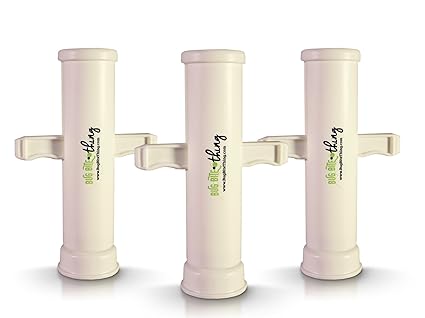
Bug Bite Thing Suction Tool, Poison Remover - Bug Bites and Bee/Wasp Stings, Natural Insect Bite Relief, Chemical Free, 3 Pack

Ways to eliminate swelling after mosquito bites. How and what removes swelling from insect bites


Bug Bite Thing Suction Tool, Poison Remover - Bug Bites and Bee/Wasp Stings, Natural Insect Bite Relief, Chemical Free, 3 Pack
 buy-button


Insect bites do not always pass without trace and result. In the midge lice, the leg was swollen, what to do in such a situation?

Almost all possible subtleties and damage mechanisms need to be considered. Bites can cause flames and even death. Therefore, when a certain place on the body swells, you need to determine the situation correctly and take action on time.

Bites combine traumatic, allergic injuries and toxic reactions caused by various insects' damage to the skin and exposure of foreign elements to the body. The prevalence and diversity of bites of animals and insects leads to the fact that the bite can be obtained anywhere and at any time.

Health risks are represented by mosquitoes, because they can sometimes tolerate fever, malaria or helminthiasis. A person's mosquito bites can cause fever, hot flashes, and excessive sweating. In this case, you should consult a doctor.

A scanned wound can be a source of infection that causes inflammation of the skin. If the bite is very itchy, you can take ammonia and moisten the affected area. You can moisten the wound with water and soda solution. Then apply a protective spray or mosquito cream.

In children, the effects of a mosquito bite can last for several months, as children have very thin and sensitive skin. Therefore, immediately after bite, the wound should be treated with a green dye or a special lotion that can relieve irritation and dry the affected area.

When the midge bites, the wound should be disinfected with ammonia as soon as possible and cooled with ice. If possible, take antiallergic drugs. To avoid these unpleasant moments in nature, you should always have special pesticide protection devices and a first aid kit.

A bite from a bee, a wasp and a wasp can cause a serious allergic reaction. And in softer and more sensitive skin tissues, the reaction can be even stronger. A poisonous wasp bite can cause severe skin burns, make breathing difficult, and cause pulmonary edema. If a wasp has bitten, or if there is another nettle pest, remove the sting immediately. Then treat the wound with a 5: 1 solution of water and ammonia. Milky dandelion juice prevents swelling and relieves pain. Those who are susceptible to allergies, you need to take a special medicine. The victim needs to get a hot drink and give her peace of mind.

An allergic reaction from horse bite is very rare. However, the bite may be accompanied by swelling, redness and itching, deterioration of health and an increase in temperature. In this case, the affected area cannot be screened - this can lead to the development of dermatitis.

Hormonal drugs that relieve swelling and itching should be taken only by prescription.

Eliminating skin puffiness

After the gadget has been bitten, you will need to disinfect the wound, remove the swelling and relieve the pain to treat the skin.

How to remove swelling from an insect bite?

Press the affected area so that insect venom does not spread.
It begins to eliminate swelling with a piece of ice or other cold object to cool the bite area.
Wash affected area with soap and cold running water.
Treat the wound with antiseptic or hydrogen peroxide and burn with alcohol or iodine. Alcohol will numb the injured area and stop the bleeding.

If you do not try to scan the bite, the recovery time can be greatly accelerated. Legs are the most vulnerable part of the body for midge bite. In the legs, swelling can last for several weeks, which can lead to disruption of blood circulation and vascular diseases.

If allergies occur, it is good to have Suprastin with you. When bitten by a wasp, it could reduce red spots and burning skin.

A good remedy even for young children is vanilla sugar or baby cream with vanilla. Perfectly fits the wound after a midge bite.

If there are blisters or strange spots on the body, call a physician.

Normal body reaction of bite

Some people complain that their leg is swollen after being bitten by an insect. This is a common phenomenon that can occur even when attacked by small and innocent insects. After a gadget, a bee or a wasp bite, practically a tumor occurs in everyone, sometimes reaching a remarkable size.

A tumor is a sign of the body for the entry of foreign biologically active enzymes and toxins. In inflammatory processes, it accumulates in the soft tissues of the lymph and causes an increase in volume.

When part of the body is swollen from a bite, you should not immediately panic and worry about “terrible allergy..

As a result, the poison from the bite of a wasp or a wasp falls into the intercellular space and small blood vessels, destroying certain cells of the human body. The body responds by attacking these substances.

How to remove swelling and swelling of the bite? Both modern medical methods and folk remedies will cope with this:

Toothpaste containing menthol and mouthwash can help to fight swelling and swelling. Thanks to the cooling effect menthol swelling and relieves pain.
A red bite stain can remove laundry soap. All you need to do is soap the cotton pad with soap and treat the throat point.
Dandelion and banana have a wound healing effect. The leaf of the plant should be poured in the hands and should be attached to the affected place after releasing its water and fixed with a bandage.
After the midge bite, a small amount of chopped onion can be applied to the wound.
An ice-cold compress wrapped in the cloth can reduce unpleasant sensations and swelling.
Relieving skin swelling will help tea bags. There's tannin that can take all the liquids left in the tea.
When a wasp is bitten, sour cream or kefir can help.
When allergy symptoms occur, when a bumblebee or bumblebee bites, you need to take drugs and ointments.

Nobody gets immune to insects on the skin, so every adult should know how to avoid the consequences, and in this case, especially if the child has problems, they should know how to behave.

Small midges, one - a naturalness, a great inconvenience for all lovers to travel to nature. The main period of its activities is June and July, but in some areas it can also be encountered in marshes and standing water bodies in other months. The worst is that the beetle is minimal in size, which allows it to creep into almost any cavity (including the air inlets of tents) and does not really affect standard mosquito repellents.

At first, anesthetics affect the wound, but then severe itching begins. After midge bite, the skin is very swollen and red, swelling can last for several days. What to do in this case?
ambulance

The first thing to do is to sterilize or clean the bite, as the middle-aged saliva may not only cause serious irritation, but also contain harmful microorganisms that are not dangerous but can trigger the development of unpleasant diseases.

The ideal solution is to stain the wound with cotton moistened with alcohol. If not, rinse the bite with clean water and slowly remove excess moisture by moving the rod movements. In any case it is not possible to rub the skin, it only causes the distribution of irritant between the soft tissues and increases itching.

It is recommended that you slightly compress the bite area to slow the absorption of the midge poison. If the hand swells after a bite, an elastic bandage may be placed on the affected area. However, it is very important not to transfer blood circulation here, so it is better to avoid such measures without relevant experience.

You should apply an antiseptic treatment to the skin so that the swelling does not increase and disappear as quickly as possible. You should always take it with you on your way to nature. In principle, even the furatsilin solution is suitable for primary processing and with it you can make a small compression under an elastic bandage.

If the skin is swollen and you have allergy symptoms, you should take an antihistamine immediately.
How do I get rid of the results quickly?

If you have been bitten by a midge in one or any part of the body at hand, special pharmaceutical preparations with antihistamine and anti-edema action will help remove all traces in one or two days. Specifically, people who encounter this problem repeatedly suggest Fenistil-gel, Tsinovit, Triderm and Trimistin.

Helps dressing with novocaine, achieve a strong itching, painful senses. Usually applied to children, so they do not scan the wound. However, if the bite did not occur in the limbs, but inside the eye, then it is better to use a compress with furatsilinom.

After a bite, the stomachs, swellings and rashes in the body are sometimes removed by rubbing the affected areas with a cotton swab soaked in a soda solution (1 t / l per 200 ml of water) or by compressing briefly for up to 10 minutes. This solution cannot be applied on the face and especially near the eyes!

In the absence of any medication, gently depress and apply a cold even as a slight bite. As seen in practice, this significantly reduces the time required to heal later.

It is important to remember that prevention is always better than cure, so you need to have a special repellent focused on scaring mosquitoes when you're out of town.

Our neighbors, insects, creeping, flying, buzzing, hymenopteras around our planet have lived with us for thousands of years, but still caused some people to resist, even panic, fear. Maybe someone is waiting for a dirty trick in the form of looks, legs, wings, antennas, hoses and a painful bite for fear. Unfortunately, such fears are not unfounded, because every human being in his life has been repeatedly subjected to idge midge bazıları attacks, and some are not fortunate to meet angry bees or wasps. How are insect bites treated in children and adults? We understand.
general rules

Treat the bite area antiseptically;
examine the wound on the left insertion body and, if found, remove it immediately with tweezers, re-disinfect the skin;
To relieve itching and swelling, apply a cold compress or a piece of ice wrapped in gauze to the affected area.

Then proceed depending on the situation. If the tumor rapidly decreases after bites, itching is reduced and health is not worsened, everything is fine. These days, try not to eat spicy foods and products that may cause you allergies, for cleaner carbonated water.

If you notice obvious deterioration, edema increases, suffer from tachycardia, dark spots appear in the bite area - call the ambulance immediately or go to the hospital by taxi immediately.

Caution: A small bloodsucker or bee sting, a wasp, a wasp on the face, a child who has suffered a major attack should be taken to a doctor immediately. Most likely, you will need medications that you need to appoint an expert. Otherwise, an acute allergic reaction may occur in anaphylactic shock or angioedema.
How are different insects bitten and first aid?

Some insect bites are relatively safe, easily tolerated by most people. However, there are situations in which a person with toxic substances can cause a painful shock, or even be fatal.
Bees

These useful insects revive our lives by producing a wonderful product - honey. But their bites are very painful. Often bees are peaceful and do not tend to attack first, so in the presence of these insects, you must remain calm and not make a sharp sweep. It is especially important not to panic if the bee attacks.

In this case, you must immediately retire to a safe place without making noise and trying to destroy the insect. Otherwise, you risk being attacked by a lot. You can recognize a bee sting with the following features:

bite pain is very sharp;
the injured part of the body quickly swells and turns red, filled with fire;
there is a poisonous pain inside the wound, which, if removed, may cause some pain, but will not quickly recover from other symptoms;
if the bitten person suffers from allergies, he may have difficulty breathing, observing increased swelling; In this case, you should call the ambulance team immediately.

Caution: In addition to multiple bee attacks, a person should be urgently hospitalized after biting the tongue, eyelids or eyes.
Hornet

Honey from these insects will not wait, but they suffer to bees that are much more painful. No wonder "thrusting" like a wasp. Each individual can attack and injure several times in a row. Therefore, after finding a hornet's nest near the dwelling, it is better to get rid of dangerous neighbors. When they attack - back off immediately and hide. symptoms:

very sharp throbbing pain;
skin blush brightly in the bite area, swelling is seen;
insertion no in the wound;
bitten in the face area of ​​the wasps, if there is a strong swelling, it becomes difficult to breathe;
as the sensitivity increases, the person becomes pale;
nausea attacks occur;
There is pain in the chest and abdomen.

You must hide the victim in a safe place, place the victim in a "half-lying" position, release him from a tight belt or tie, and give him a glass of water. The wound should be disinfected with, for example, hydrogen peroxide. The best option to remove swelling from an insect bite is to apply cold. An iced rubber will make a hot water bottle or a kefir package, for example from a refrigerator. So we get rid of edema.
Be blind

These unpleasant and large fly beetle-like bites are not very painful but still stand out. In addition, they are characterized by a long and severe itch that forces those bitten by a horse to brush their skin at risk of secondary infection to their wounds. The bite has a reddish spot and a small swelling. The people most exposed to attack by the horse fly are the people sitting by the water.

The bites of these insects do not represent a pathological hazard to a healthy adult human, and the consequences can be eliminated by ordinary means. Similarly adhering to the problem area of ​​the cold removes swelling.

Has anyone ever been disturbed by these “night singers?? Unfortunately, they don't do serenades, but they get frustrated with the boring, constant ringing. Only female mosquitoes bite and sometimes do not stick to human skin almost precisely. The victim finds bite marks, begins to nickel uneasy.

particle

Homemade ways to get rid of itching

After treating all wounds with antiseptic, prepare one of the following remedies to prevent itching from bites of bloodsucking insects.

Take a glass of cold boiled water, add a teaspoon of soda and stir. Moisten the cotton ball in the solution and apply it to the wound, wipe the swollen area.
Take a bunch of parsley with a blender. Apply the green oatmeal to the affected areas, wait 10-15 minutes.
Cut the onion and scrub the itchy skin with water, so as to relieve the discomfort.
Spread the mint leaves, apply a cooling mass to the pay.
If there is tea tree oil in the first aid kit at home, a drop of this product will relieve the discomfort.

When itching and burning sensations from insect bites are reduced, the spots will gradually fade and the bloating will decrease. This means that an acute allergic reaction does not occur and that a doctor is not required. You're lucky Just don't forget to disinfect the wound so that it heals completely.

Priority measures to provide medical care to bites are the same regardless of which insect class representative causes discomfort and pain.

Step 1. It is necessary to provide peace to the bitten man and restrict his movements. One should try to cheer up and calm down. To do this, keep the victim in a relaxed position, preferably in a reclined position.

The Savior should not be overcrowded, but the first step is to explain that any physical activity of the victim will contribute to faster absorption of poison in the blood and make it worse.

Intense movements with the injured hand or foot are a natural reaction of the body, but physical effort activates blood circulation and increases lymph flow. This causes the rapid spread of toxins in the bloodstream filled with the increased symptoms of allergic reactions.

Step 2. What to do next? Remove affected area from clothing and examine wound: determine if redness, swelling and redness occur, tissue swelling. If the attack falls on your hand, you must remove the jewels, open the bracelets of the watch. After an insect bite, if the leg is swollen, shoes and socks should be removed from the victim.

Step 3. The following first aid measures for insect bites: Give the victim the highest possible amount of liquid. This can be de-carbonate, purified water, freshly brewed tea, dietary juice, dried fruit bundle or decoction, rose hip extract. Abundant fluid intake contributes to a faster removal of insects from neurotoxic substances when the body bites.

When insect venom is ingested, the consumption of intoxicating beverages is a major mistake, leading to an increase in the rate of development of allergic reactions and making it difficult to eliminate toxins.

Step 4. What to do after insect bite? The puncture site should be treated with any bacterium.

A bitter Hymenoptera that bites it - if it is a bee, it is necessary to remove the remains of an alien element from the wound.

Step 5. If the injury has not been perceived with certainty and it is impossible to identify the perpetrator of the origin, the patient's overall condition should be assessed and local reactions should be considered.

Eliminate swelling can improvise:

apply an icy cold compress to the damaged area;
gently press and squeeze the tissue surrounding the puncture site;
wipe the area with gauze moistened with daffodil or awning of boric acid solution;
Apply a compress of diluted baking gas.

It is possible to eliminate edema by pharmaceutical means including antihistamines, decongestants, antimicrobial, antipruritic and anti-inflammatory components. Cremgenum has a rapid effect on insect bites.

If a small edema develops at the puncture site, the skin becomes reddish, if the person has a slight burning and itching sensation, the problem provocative in of the problem can be assumed to be a relatively harmless error: a fly, mosquito, insect, midge, insect.

If there is severe pain, unbearable burning on the construction site after insect bite but does not change the skin color, it can show bees, hornets, wasps, hornets by representatives of the flying hymenoptera row. If there is redness after an insect bite, but no edema, the culprit is probably a tick.

Step 6. After treating the damaged area, a compression bandage is applied to the body area above the bite point and must be loosened later as edema develops.

Step 7. If only local skin symptoms are noted: swelling, swelling, itching, skin redness, redness, the patient should be given tablet tablets of eg antihistamines, for example: tavegil or Suprastin at an appropriate age dosage.

Step 8. If deterioration of respiratory function is observed after an insect bite, edema develops in the eye or tongue area, providing immediate intensive medical care:

Step 9. What to do if a doubt arises: the injury was caused by poisonous insects: spiders, scorpions or ants? In this case, anaphylactic shock can develop rapidly. Immediate measures: apply for an indirect cardiac massage and artificial respiration. Immediately transport the victim to the nearest hospital.

The pain that occurs after a bite from a poisoned carrot or tarantula is very similar to the defeat of snakes in their manifestations. Saliva injected through the arachnid glands has a strong neurotoxic effect that affects the tissues of the nervous system and destroys red blood cells.

The clinical manifestations of poisonous insect disease include:

intense sharp pain of burning character in the puncture site;
visible perforation of the wound on the skin;
The lesion takes the form of a small tubercle with a whitish tinge;
bloody blisters or bright purple spots appear on the skin around the bite point;
one person complains of severe headache, dizziness;
body temperature may increase;
blood pressure indicators are reduced;
Throughout the entire area of ​​the affected limb, the victim draws attention to the resulting numbness.

Pests such as mosquitoes, bees, midges and other arthropods are very uncomfortable. It is uncomfortable when they bite an adult, and especially when they bite babies in the arms, legs, eyes and other parts of the body. For this reason, sometimes bloating, which should be treated with medicines, occurs. Sometimes these are not the only consequences of having been bitten by a limb, allergic reactions, pain shocks, and other disturbing conditions. If the problem is not resolved for a day or two due to insect bite, swelling and redness, or if symptoms worsen within the first day, you should seek medical advice from the doctor.

The nature of a tumor formation after an insect bite

Why is the resulting painful result of an insect bite?

After an insect bite, a tumor occurs as a result of human immunity starting to fight foreign infestation (saliva, poison and other elements) as well as reacting to skin trauma. The inflammatory process leads to the accumulation of lymph in the lesion region, which is expressed as external edema. Each insect has its own characteristics, because the throat point can swell in many different ways.

For example, a mosquito or flea bite is less noticeable because there is a special enzyme in its saliva that slows blood clotting. In this case, even in a child, after a bite, there is rarely anything other than a small swelling.

Another thing is, if you take a wasp, bee, wasp sample. When stung, a significant amount of poison is injected, which can destroy tissue walls and cause inflammation, allergies and bloating. Eye damage is particularly dangerous, in which case immediate medical attention is needed, not only to neutralize the effect of toxins, but also to remove pain to remove all foreign bodies.

Even if you do not have any allergies, it is immediately worth noting that no reaction can occur after a similar injury.

Symptoms of severe allergic reaction to insect bite

In 65% of cases, a bitten person is not threatened by serious consequences, and all he can do is a red spot with a slight swelling at the site of injury. These problems may occur in the remaining 35% of the sections:

Swollen eyelid (if the eye bite area), visual dysfunction up to;
hives;
Itching all over;
Burning sensation;
dizziness;
Increased body temperature;
Feeling of pain;
Internal swelling of the nasal and throat cavities;
Rash and redness in various areas (not only in the affected area);
Chest pain;
fire;
Shortness of breath;
Confusion and dizziness;
Hypotension;
Increased lymph node volume;
In the absence of timely and immediate treatment, anaphylactic shock may occur.

Individual symptoms depend on specific pests. If you or your child has any of these symptoms, see your doctor immediately or seek immediate medical attention. They will provide not only how to remove the swelling, but also some tips that should be followed in the future.
What and who is dangerous?

Before giving any treatment and thinking about the results, you need to find out which insect swelling occurs after the bite on your leg, arm or other place. Then who should be careful?

Malaria mosquitoes;
flea;
Bed bugs;
Rat fleas;
Representatives of common flies and tsetse;
mites;
cockroach;
mosquitoes;
Ants.

Even simple mosquito bites can cause serious complications (malaria, dengue, yellow fever, and others) as they carry various diseases through the blood.
What to do after an insect bite

Before you can do anything to counteract the symptoms that appear, you need to know the list of actions that are forbidden, which only complicates the situation.

Scan the affected area. You can carry the infection yourself, which causes additional inflammation. Children, unlike adults, cannot restrict this desire;
Rub the bite area. Because of this effect, toxins or enzymes falling under the epithelium will spread over a larger area;
Do not use any external preparations directly on the wound. Most drugs should be applied around healthy skin;
Even if the eyelid or leg in a bite becomes too swollen - you should not personally prescribe antibiotics, diuretics and painkillers (if prescription is required). All these drugs have a number of limitations and the doctor should prescribe them;
The affected area of ​​the eye, you should not try to remove the sting yourself (in the case of bees, wasps and wasps), leave it to a specialist;
Avoid household chemicals. This may increase the allergic reaction.

Treatment, how to remove the swelling from an insect bite

Now there are more options than eliminating the swelling of the bite, both medicines and public preparations.
medicines

Most of the above drugs have medicinal properties and are not just one.

Levomekol. If arthropods swell hands after a bite, a good option is to apply topically and relieve all inflammation, as it has good regenerative properties and easily penetrates deep into the skin;
The Betazo. Antipruritic, vasoconstrictor, anti-inflammatory, antimicrobial drug.
When the leg is swollen, Fenistil can be an excellent option, effectively relieving swelling and itching due to its anti-allergic properties;
Swelling caused by bites of wasps, bees and other insects with stings is usually removed with Flucinar gel;
If a leg or other limb is inflated after an insect bite, due to an allergy, Sinaflan may be given ointment, relieving itching and bloating.


Folk preparations

Over time, many folk remedies were invented to help people cope with the effects of an insect bite:

Laundry soap. It is not liquid or contains any additives, disinfects the wound and prevents possible infection;
The most powerful help may be an ointment that you need to address the affected area. Mix 1 tablespoon. Add vegetable oil and add 5 drops of essential lemon and mint extract;
No matter how strange it may seem, if you apply toothpaste to a swollen place, you can reduce not only swelling, but also itching;
In addition, pressing the wound with the leaves of such plants will also be effective: mint, banana, bird cherry, dandelion;
Crumbled cabbage leaves or parsley are used;
Usually used in aloe juice.

If you have insect bites, tumors and redness, only the doctor can tell you what to do in difficult situations, especially if you have pain in the eyes or mucous tissues, self-treatment is prohibited.


10AXX
Bug Bite Thing Suction Tool, Poison Remover - Bug Bites and Bee/Wasp Stings, Natural Insect Bite Relief, Chemical Free, 3 Pack

Badger After Bug Balm - Bite Relief Stick - 0.6oz Stick

14 Insects Used in Wound and Disease Treatment in the World


Badger After Bug Balm - Bite Relief Stick - 0.6oz Stick
 buy-button


Important note; The article you will read is for information and cultural purposes. The accuracy is not modern medicine knowledge, which is confirmed with modern researches. Incorrect treatment will cause undesirable results. Be sure to search for modern medical facilities for wound and disease treatment and consult real medical doctors.

If you are trapped in a remote forest, if you suffer from excessive bleeding, or if you have an uncontrolled cough, this article may save your life if you have to live with a serious syphilis. Or at least, you'll learn interesting information to show off to friends at dinner.

1) Maggot Therapy

When the heavens notice an open wound and come upon it, they do what all flies do - leaving their maggots. But there's one thing that makes these maggots special. These maggots secrete a healing chemical known as Allantoin. Today's doctors use this substance in the treatment of bone marrow inflammation (osteomyelitis), allantoin ... which is disgusting but effective.

However, some doctors do not even need to absorb allantoin. Instead, the maggot put the maggots directly into the open section. As maggots grow, they eat infected bacteria and dead tissues.

2) Bee Poison Therapy

A patient named Pat Wagner gets himself into the bees 200 times a week. Intentionally. Although it may seem like a crack, the logic is clear to him. Bee venom (which is rich in enzymes, peptides, glucocorticoids and other curative components) is said to contribute to the healing of a variety of diseases, from Rheumatoid Arthritis to Multiple Sclerosis (MS).

3) Ant Poison in the Treatment of Arthritis

Interesting phenomenon # 1: Ant bites contain poison.

Interesting case # 2: Ant venom reduces swelling and alleviates joint pain.

The "cure" is definitely not to enter an ant colony naked and bite yourself. Modern physicians have separated and assimilated the poison and used it as an alternative treatment for Rheumatoid Arthritis.

4) Green Tree Ants Used as Treatment by Australian Aborigines

Ironically, a tea made from green ants, yes tea tır was used to clean up wounds that saved from headaches and colds. And yes, the aborigines were really drinking mixtures of these ants' crushed bodies. Testers say this tea, oddly brewed from green ants, has the same quality as real green tea

5) Army ants used for wound closure

In the forests of South America and Africa, some natives use army ants to cover open wounds. After the ant has been bitten on the meat, the ants tear off their heads to give a biological "punch" effect. Who needs a nurse's stitch after she knows that?

6) Spider webs for wound dressing

Since the Middle Ages clean spider web has been used as a bandage. Make sure that poisonous residents leave their homes before using the bandage. The idea of ​​producing modern bandages from spider webs in the future is still the dream of scientists.

7) Poison extracted from blisters in the treatment of warts, Cantharidin

A poison derived from chanteridin blisters. In fact, it is a poison that can kill you instantly, even at 10 milligrams when taken orally. However, it can also be used to treat warts on the skin. Of course, this is not included in the oral warts.

8) Cockroach brain can be used as antibiotic.

Cockroach brains contain powerful antibiotics that can destroy E. coli and MRSA infections. But you must eat or drink them for effect. Doctors should change their name if they expect patients to swallow them (Rochie Pills? Cool…).

9) Syphilis Cure with Malaria Mosquito

Malaria can kill you, but syphilis will kill you even faster. Syphilis introduced into malaria mosquitoes is a life in which the patient lives a little longer, creeps more but does not die.

10) Knurled Mushroom Old Chinese Medicine

They believe that knurled fungus pills used to relieve stress in China can also cure various diseases and increase sexual power. Who knows? If you take enough serrated mushrooms, it is possible to achieve the general health and sexual desire of the Greek gods.

11) Cutting cough with Cochineal beetles.

Cochineal beetles are one of the ugly insects on the planet's face. However, when you take a handful of beetles with alcohol, whooping cough can be a great choice to stop urinary tract infection and asthma.

12) End of urinary tract infection with cicadas.

The ancient Egyptians first noticed that dried cicadas, eaten towards the middle of a meal that started with mushrooms, were good for urinary tract infection. Maybe it was good for them as an invention, but considering what else they tried to solve the problem, the only thing that could be said is that without modern medicine, life is really hard.

13) Silk Moth to avoid heart disease

Silkworm is also good for soft clothes. This softness originates from a biochemical known as Serratia E15. For silkworms, the Serratia E15 dissolves its cocoons, helping them shift from lubricating disgust to semi-graceful moths. For men, according to an unproven research, it is assumed that Serratia E15 also helps prevent heart disease.

14) Insects as Food Supplement

If you're not a big fan of brussels sprouts or broccoli, insects can definitely be the way to go. They are rich in vitamins and nutrients. Then, a roasted termite is rich in iron. Or larvae of silkworm moths are filled with copper, iron, thiamine, zinc, riboflavin. You wouldn't say I didn't.


8AXX
Badger After Bug Balm - Bite Relief Stick - 0.6oz Stick

After Bite Itch Eraser (Pen) 14 ml ( Pack of 2)

Which Insect Stings, What Treatment?


After Bite Itch Eraser (Pen) 14 ml ( Pack of 2)
 buy-button


We have shared with you the first interventions we need to do when our favorite ones or when it comes to our own. Let us examine the importance of first aid in case of bee, mosquito, tick, snake, mouse, flea, scorpion, spider or insect bite and sting.

BEE STOCKS: Do not panic after bee sting and squeeze the bee with your hand! If you squeeze the bee venom pouch, it will cause more bee venom to be shipped to the sting area. The effective treatment method is ammonia. Putting ice on it or washing with cold water, Yogurt is one of the effective methods, One clove is one of the natural treatment methods that will work in garlic, Garlic and crush our region thoroughly. Check whether the bee's sting is still on your skin, and make sure there are no small blackheads in the area where the bee bites. Generally, honey bees' needles remain on the skins of the victims, and within 2-3 minutes they completely drain the poison into the skin, removing the needle quickly from the skin may slightly reduce the severity of bee stings.

MOSQUITOUS STUFF: Mosquitoes inject a drug into our skin so we don't feel pain. This injected substance makes allergies to our skin over time and the natural result of allergy is itching. The amount of blood absorbed by the mosquito also increases or decreases the severity of itching. If the fly has sucked a lot of blood from your body and separated by itself, itching is less. If you hit and kill the creature with your hand, itching is severe. The reason for this is that the fly sucks back its saliva. So if you kill the fly, it will not absorb the saliva that it left alive and the itching will become worse. The best natural method of passing mosquito bites is salt. After the itching of the bitten area vigorously, if you drip some water and add salt on it and wait until it dries, you will see the bite itching immediately. This is because salt absorbs the itchy chemicals in your skin. What makes this possible is the difference in density of salt.

MOUSE BIT: Rabies, typhoid, typhus, plague diseases such as active role in the spread of these rodents often bite the arms and legs. Wash the area where the mouse has bitten with plenty of water, put a clean dressing on it and wrap it.

Tick ​​bites: After going out in rural areas, the body should be strictly checked to ensure that there is no tick, the whole life of parasites as a blood-sucking living ticks are usually small sizes of people unnoticed and stick to people, Tick bite should go to a health care institution immediately specialist should be removed by. If you want to kill and remove the tick by methods such as smoking or gas pouring, you can cause the tick to vomit into your skin. If so, it will cause you to become infected. The tick removed in the health institution is examined under the microscope and it is understood whether there is any part left at the place of removal. After the tick is removed, the person is kept under observation to see if there is any sign of disease.

Snake Splash: First of all, after snake bite, time is a very important criterion, the intervention should be done as soon as possible. The bitten area should be kept below the level of the heart. Trying to keep this area as still as possible in order to slow the circulation is the first rule that allows the patient to save time until he is brought to the health institution. Sucking off the bite will also help to remove some of the poison, but trying it out by people who don't know exactly how to do it will endanger the lives of those trying to help.

Fleas bite : If you have been exposed to a flea bite and you have not done anything, these bites will eventually become worse, because itching will result in irritation of the skin. One of the basic measures that can be taken to reduce the effects of flea bites is that the area where flea bites are not scratched. Doing so will become very difficult after a while, if you scratch the fleas areas, there may be bacterial infection entering the bloodstream through wounds and scratches. To prevent excessive itching in the area of ​​flea bites, if you place cold water or ice in that area, you can relieve the symptoms to some extent. You can also avoid swelling and irritation. One of the most effective remedies for the treatment of flea bites at home will be calamine lotion. It has a soothing, calming and relieving itchiness against flea bites. Therefore, it helps to eliminate the symptoms directly.

SCORPION SUCTION: The top and bottom of the inserted place by applying a tourniquet to prevent the spread of poison into the blood and lymph, cold water or ice is applied to the wounded area. Locally permanganate or ammonia is applied. Place the ice bag wrapped in towel over the inserted place. In case of contact with eyes, plenty of water or milk, etc. should be washed with a liquid such as. Inserted knife etc. splitting, cutting, sucking, applying various ointments should not be used. Cardiac and respiratory functions should be monitored. Patients with systemic symptoms, especially children and the elderly, should be kept under observation for 24-48 hours.

SPIDER BIT: The area where the spider bite should be washed first with hot water and soap. This will help prevent secondary infections. An antiseptic ointment should also be applied after washing the area to prevent infectious diseases. Helps reduce swelling caused by cold compress spider bites. Compress the affected area with ice cubes wrapped in towel or a clean towel dipped in cold water. In addition, grated potatoes can be applied to the area after being kept in the refrigerator a little. It will calm the skin while reducing pain.

INSECT BITES: Among the most preferred natural treatment methods against insect bites is adding salt to the vinegar and applying it to the place where the insect stings.

In case of poisoning due to an insect or insect bite, we need support for the management of these cases. Therefore, the National Poison Information Center (UZEM) has been established to serve us in this sense. Nowadays authorized to "National" one center uzem No. 114 on Turkey's call center provides medical support by phone from all over the 7/24 response. As Anka Pest Control, we undertake your problems and responsibilities in the fight against walking, flying pests and rodents in your home, workplace, all living and usage areas.


7AXX
After Bite Itch Eraser (Pen) 14 ml ( Pack of 2)

After Bite Advanced Formula With Baking Soda & Ammonia, Pharmacist Preferred Insect Bite & Sting Treatment, Skin Protectant, Portable Instant Relief, Stop Itching Applicator Pen, 0.5-ounce (4 pack)

What should be the first intervention in insect stings?


After Bite Advanced Formula With Baking Soda & Ammonia, Pharmacist Preferred Insect Bite & Sting Treatment, Skin Protectant, Portable Instant Relief, Stop Itching Applicator Pen, 0.5-ounce (4 pack)
 buy-button


How should the first intervention in insect stings be done? Here's the answer ...

Insects are living things that can live in every corner of the world. Insect bites and stings are different. Insect stings are poisonous insects injecting their venom through the needles. It is usually very painful. Insect bites, on the other hand, are allergic reactions and regional irritation of non-poisonous insects against saliva and anticoagulants secreted to suck blood.
Most insect bites and stings are non-hazardous and require no treatment other than first aid. Most spider and scorpion stings are also safe. Some people are more sensitive than others and may have an allergic condition called anaphylactic shock (fatal anaphylaxis). In addition, insects cause one or more bites that remain as itchy spots on the skin for several days. Sometimes these bites, especially on the legs, can cause blisters that collect water.

Most insect bites occur in open parts of the body that are accessible to insects. Sometimes there may be more than one bite in the body where the insect enters under the clothes. Sometimes the bitten person may develop an allergic reaction to the insect bite. In this case, the victim's body, away from where the insect bites, insect bite-like spots may appear. For example, an insect bite on the leg can cause spots on the body or arms. This will pass over time, but it may repeat if the victim is bitten again by the same insect.

Treatment:

In the treatment of insect bites, several approaches are appropriate.

First Aid at Home: Except for people with a history of allergy, there is no treatment other than first aid. If the honey bee has been stung by it, the remaining needle of the balance should be removed. The needles of honey bees are hooked and remain on the skin when stung and cannot sting a second time. But donkey moments and other wasps can sting more than once because the needles are hookless. The insertion area should be washed thoroughly with soap and water. If desired, application of ice on the inserted part should not be more than 20 minutes in one hour, reduces pain and itching. Ice should not be placed directly on the skin to prevent frost and skin damage. If tetanus vaccination has not been given in the last 10 years, the physician should be consulted for tetanus vaccination. Antihistamine (allergy medications) can be taken for pruritus. Painkillers can be taken for pain.
Immediate medical attention should be sought immediately if severe allergic reactions have been experienced after insect bites. In the meantime, antihistamines should be taken as soon as possible. An emergency allergy kit (epinephrine) should be used if allergic symptoms have developed and the doctor has prescribed it.

If you have been bitten by the tick, the tick should be gently removed from the shred by holding it in the head with a pair of tweezers and stored in a jar. Thus, if a disease develops, it will be easier to identify the bite. Wash hands and bite with soap and water. If the tick has not been completely removed, consult a doctor.

Consultation and medical assistance: If there is a swelling of 2.5 cm in diameter or if there is a swelling in the insertion, if there are signs of infection such as pain, redness, abscess or pus, or if the symptoms have not disappeared after 2 days, consult a physician or emergency department of any hospital.
If ten years have passed since the last tetanus vaccine, the doctor should be consulted for the tetanus vaccine.

The introduction of dead insects can help to understand which insect has been bitten or stung.
After the tick bite; rash, fever, muscle and joint pain, swelling of the lymph gland and flu-like condition has occurred in a hospital for Lyme disease.
Applying to the emergency room: If the person is thought to have a generalized allergic reaction, immediately call 112 and take him to the emergency room.

Respiratory difficulty,
Difficulty in speaking,
Swelling of the mouth and / or throat,
The whole body rash,
Fainting or loss of consciousness,
10-20 displacements and more in the head and children,

Intraoral, tongue or throat stings, even if no symptoms are observed, if there is a history of serious allergic reactions after insect stings, emergency services should be consulted in case of abdominal pain, chills, fever, nausea and abdominal pain.
Even though many insects do not contain deadly poisons, there are species with deadly poisons; spider and scorpion stings, if a large swelling (2.5 cm in diameter and above) occurred, if there are signs of infection (increased pain, redness, abscess or pus), or if the symptoms have not passed after two days, you should definitely consult a physician , or the emergency department of any hospital.

If the person is unresponsive to stimuli (coma / deep sleep), basic first aid should be initiated immediately.

In summary;

What should be first aid in bee stings?
• Wash the injured area.
• If seen over the skin, the bee's needle is removed.
• Cold application.
• If it is stuck in the mouth and makes breathing difficult, it is allowed to absorb ice.
• In case of oral stings and allergies, medical help is requested (112).

What should be first aid in scorpion stings?
• The insertion zone is not moved.
• It is kept in a supine position.
• Cold application to the wound.
• Bandage is applied in a way that does not prevent blood circulation.
• No attempt is made to the wound.

What should be first aid in snake bites?
• Patient is allowed to relax and rest.
• Wash the wound with water.
• Any items (rings, bracelets, etc.) that can be printed near the wound are removed.
• If the wound is on the head or neck, pressure is applied to the wound area.
• Bandages are applied on the arms and legs in a way that does not prevent circulation over the wound (tourniquet is never performed).
• Cold application.
• No attempt is made to the wound (the wound is not absorbed).
• Vital signs are monitored.
• Seek medical attention (112).

What should be the first aid in stings of sea creatures?
• The injured area is not moved.
• Remove any sinking bumps and appear.
• The affected area should not be rubbed.
• Hot application should be done.


6AXX
After Bite Advanced Formula With Baking Soda & Ammonia, Pharmacist Preferred Insect Bite & Sting Treatment, Skin Protectant, Portable Instant Relief, Stop Itching Applicator Pen, 0.5-ounce (4 pack)

Cutter Bite MD Insect Bite Relief, Stick, 0.5-Ounce

When is insect bite dangerous?


Cutter Bite MD Insect Bite Relief, Stick, 0.5-Ounce
 buy-button


Insects, which can live in every corner of the world and in almost all conditions, are more exposed especially when the weather gets hot. The effects of insects with thousands of varieties on humans are also different. Insects inject their poison with the needles or enzymes in their saliva. Some of the insect bites, which often have a painful effect, can cause an allergic reaction and local irritation and blisters that collect water. The effect of insect bite varies depending on the species of the insect and the sensitivity of the person. Young children, people with allergies, pregnant women and the elderly are more susceptible to insect bites. Insect bites; yellow fever, inflammation of the brain, malaria and typhus can cause diseases to spread in society. Especially insect species living in tropical regions can carry serious diseases.

Types of insect bites

Flea bites: flea bites that cause symptoms such as itching, swelling and redness leave clumps and streaks on the skin.
Horse fly bite: Horse fly stings that give symptoms such as swelling and swelling of the bitten area are quite painful.
Bedbug bites. Bites that cause bloating and itching do not cause pain.
Tick ​​bites: bites of ticks that are carriers of borrelia infection can cause serious diseases. At first the bite does not show symptoms, but after a while itching, bruising, redness and swelling of the skin may be observed.
Mite bite: causes severe itching of the skin.
Spider bite: In addition to bloating and redness, dizziness, sweating, nausea and vomiting may occur in spider bites that may be painful.
Bee bite: In the bee stings that cause a sudden pain, the bitten area immediately swells and turns red.
Mosquito bite: swelling and intense itching occurs in the area where the bite.
Scorpion stings: some of the scorpion stings that cause numbness, burning, pain, redness and bloating on the skin can cause serious health problems.
Ant bite: swelling occurs in the area where the ant bites and fills with pus.

Symptoms of Insect Bite

The most common symptoms usually seen in insect bites are:

Itching, pain and swelling in the bitten area
Color change in the bitten area, redness
Urticaria, accumulation of water or pus in the bitten area
Abdominal pain, vomiting, nausea, diarrhea
Difficulty breathing
Squeezing in the chest
Wheezing
Allergic symptoms such as swelling of the tongue.

When is insect bite dangerous?

Not every insect sting is a dangerous situation. However, the person bitten by the insect;

Difficulty breathing and growling in the chest
Intestinal and stomach problems such as nausea, vomiting, cramps and diarrhea
Increase in oral secretion
Irregular or fast heartbeat
Fatigue and anxiety
Dizziness and difficulty swallowing
Fainting and loss of consciousness
Whole body itching or urticaria
Especially swelling around the genital area, lips and eyes
A swelling of 2.5 centimeters in the area introduced by the insect and swelling of the mouth or throat
Increased pain severity, redness and fever
Insect bite is a dangerous size and must be admitted to the hospital if symptoms of abscess and pus have developed in the bitten area and the symptoms have not disappeared within 2 days.

Insect bite treatment

If an allergic reaction is not usually present, first aid treatment is sufficient against insect bites. Insecticide and gel should be used to avoid further exposure to insect bites. The area where the insect bite should be washed with soap and water. By applying ice to this area, pain and itching can be reduced. Antihistaminic drugs and ointments can be used to prevent itching in insect bites. To prevent pain, painkillers can be taken. Tick ​​bites should be carefully removed from the tick head by means of a tweezer should be removed and put into a jar. Tick ​​storage is very important for the determination of the tick type. The area where the tick is removed should be washed thoroughly with plenty of water and soap.


5AXX
Cutter Bite MD Insect Bite Relief, Stick, 0.5-Ounce

StingEze Insect Bite, Sting, and Itch Relief Dauber, 0.5 Oz Pen

Insect bites: Symptoms, what to do and treatment… (What should we do in insect bites)


StingEze Insect Bite, Sting, and Itch Relief Dauber, 0.5 Oz Pen
 buy-button


Insect bite, which usually presents with symptoms such as redness and itching on the skin, can also cause more dangerous situations in some cases. So, what should be done in insect stings? How is insect sting treated? It's all in our news ...

With the beginning of summer, complaints about insect stings increase. One of the things citizens fear most is the stings of insects such as flies and ticks. You can find a lot of important information about the symptoms of insect bites and what to do in our news…

DO NOT LIGHT THE INSECT STROKE

There are many species of insects living on Earth. This results in different symptoms and consequences depending on the species of the insect. Although insect sting usually causes minor skin irritation, depending on the species of the insect, these bites can cause serious health problems.

The most common complaints are bedbugs, mosquitoes, ticks and bee stings and ant bites. Scorpion stings can lead to much more serious health problems. Although insects often smoke people for self-defense, some insect species can bite people for feeding.

SYMPTOMS IN INSECT BIT

Although the symptoms vary according to insect species, the first symptoms are usually as follows:

- Itching,
- Pain and pain,
- Redness and swelling.

Symptoms according to insect varieties are as follows:

- Flea bites are grouped into lines and clusters. Itching, swelling and redness are seen.

- Horse fly sting would be very painful. The bitten area swells and collects water.

- Bedbug bites may not be very painful the first time. It may cause bloating and itching after a certain time.

- Tick bite may not be apparent at first. Later, bloating, flushing, bruising and itching may occur. Ticks carry an infection called Borrelia and should be referred to the hospital if they sting.
- When the mites bite too much itching occurs on the skin.
- Spider sting may be painful. Redness and bloating are seen. In more serious cases, nausea, vomiting, sweating, dizziness may occur.

- Wasp sting pain is too much and the bitten area swells and blush in seconds.

- Mosquito bite becomes a single point. Swelling, light blistering and intense itching occur. -
- Scorpion sting swelling, redness, pain, burning, drowsiness in the skin occurs.

- Ant bites are filled with pus and bloating. A few days later, small lumps occur on the bitten area.

WHAT TO DO IN THE CASE OF INSECT STUCK

When you notice the bite, remember where you were right before. If you are in a wooded area, you are probably bitten by mosquitoes, ticks or ants. If a bite has occurred after loving an animal, it is probably fleas. It is important to determine which insect bites and to apply the treatment correctly.

Look at what the bite looks like and the symptoms. This will also help you identify the species of insect.

WHICH CONDITIONS TO GO TO THE PHD?

Not every insect sting requires a visit to a doctor. However, it is useful to consult a doctor immediately if you have the following conditions:

- Wheezing or difficulty breathing,
- Nausea, vomiting or diarrhea,
- Fast or irregular heartbeat,
- Dizziness,
- Difficulty swallowing,
- Anxiety.

HOW SHOULD THE TREATMENT BE TAKEN IN INSECT STROKE?

- Wash the bitten area with soapy water to prevent infection.

- Do not scratch, scratch or squeeze the wound.

- For insect bites, obtain the creams sold in pharmacies and apply gently to the area.

- Compress the swollen area with ice.

- If the wound is on your hand or arm, slow down the blood flow by keeping these areas as high as possible.

- If the symptoms do not decrease after the first interventions, seek medical attention immediately. If you have seen the insect and describe which insect has stung you, it will make it easier for the doctor.

- In most cases insect stings are not risky by themselves, but are dangerous to cause other diseases. Like ticks lyme disease, mosquitoes carry a risk of encephalitis. Especially in people with allergic insect stings, respiratory diseases, especially can cause serious discomfort. Therefore, not only the bitten area; focus on what other types of discomfort you have.


4AXX
StingEze Insect Bite, Sting, and Itch Relief Dauber, 0.5 Oz Pen

Bug Bite Thing Suction Tool, Poison Remover - Bug Bites and Bee/Wasp Stings, Natural Insect Bite Relief, Chemical Free, 2 Pack

How to Avoid Insect Bite?


Bug Bite Thing Suction Tool, Poison Remover - Bug Bites and Bee/Wasp Stings, Natural Insect Bite Relief, Chemical Free, 2 Pack
 buy-button


All insects (mosquitoes, black flies, horse flies, fleas, mites, human fleas, wood dicks, ticks, etc.) bite, and none of them can be said to be fun. Although it does not feel very bad at the first bite or sting, then swelling and itching can become quite frustrating. Luckily, there are a lot of things you can do to reduce the pain and itch after insect bites, with or without medical equipment, and even get rid of the bite completely.
Method 1
Treating Insect Bite


one
Clean the bitten area. Thoroughly clean the area of ​​the bite before you do anything. Use soap and warm water to do this. If the insect bites swelling, you can apply cold compresses or ice pack to the area to prevent swelling. Cold will help relieve both pain and itching temporarily. [one]
Apply a maximum of 10 minutes of cold compresses or ice pack at a time.
After 10 minutes, take a break for 10 minutes. Repeat this for about an hour.

2nd
Scratch the bite. The area of ​​the bite will probably itch and you will want to scratch it, but don't do it. Do your best to resist the urge to itch.
Unfortunately, scratching the insect bite can cause infection, making it worse. [2nd]

3
Use anti-itch cream or lotion. If the area continues to itch, to relieve itching calamine lotion, topical antihistamine or corticosteroid cream
use. All of these lotions and creams are available at pharmacies without a prescription. If you're not sure which one is best for you, you can consult your pharmacist. [3]

4
Use oral medication. If you need to relieve pain or itch, you can take paracetamol (eg Tylenol), ibuprofen (eg Advil) or antihistamine (eg Claritine) orally. [4]
If you use allergy medication on a daily basis, be careful if you want to take antihistamine in addition to your medication. Ask your doctor or pharmacist about whether you can increase the dose, or choose to use it with another type of medication.

5
Use carbonate paste. Applying homemade carbonate paste to bites can help toxin out and relax the itch. It is also said to accelerate the healing process.

Making Carbonate and Salt Paste
Mix 2 parts of carbonate with 1 part of salt.
Add water and mix until a thick paste is obtained. [5]
Apply the paste directly to the insect bite with a cotton swab.
After waiting for 15-20 minutes wash. [6]

6
Consider using a meat softener. Yeah, you read it right! Mix the natural meat softener with warm water until it becomes paste-like. Apply this paste directly to the bitten area to reduce itching. After waiting 15-20 minutes wash the paste. [7]

7
Try using tea bags. To reduce itching, apply the wet tea bag to the area where the insect bite, after soaking the bag tea in warm water for a short time. If you really used the tea bag to make tea, make sure it has cooled down sufficiently before applying it to the area. Leave the tea bag on the bite for 15-20 minutes. [8]

8
Chop fruits or vegetables. There are many fruits and vegetables that contain enzymes for relieving itching. Try one of the following options: [9]
Papaya - Leave a slice of papayas on the bite for an hour.
Onion - Scrub the area with a slice of onion.
Garlic - Crush a garlic and apply it to the bite area.

9
Soak the bite with apple cider vinegar. As soon as the insect bites, soak the area of ​​the bite with apple cider vinegar for a few minutes (if any). If you still have discomfort, put a piece of cotton soaked in apple cider vinegar in the bitten area and tape it with a band-aid. [10]

10
Crush the aspirin. Crush a tablet of aspirin in a mortar with a spoon or pestle. Add a little water to the paste consistency and apply to the bite. You can keep the paste on your skin (just as you would with a calamine lotion) and wash it when you take a bath or shower. [11th]

11th
Drip tea tree oil. Once a day drip a drop of tea tree oil onto the bite. Although this does not help itching, it can help reduce swelling and disappear. [12]
Alternatively, use one or two drops of lavender or peppermint oil to relieve itching.

12
Get help from a homeopath specialist. There are some homeopathic treatments that work on insect bites. However, the method to be used depends on how much. Ask a homeopath specialist or the stores selling homeopathy products for information on the option that suits you. [13]

Method 2
Treatment of Tick Bite


one
Find the tick. Ticks are very small animals living outside. Unlike other insects, they just don't bite. They settle in the skin and continue to feed on the human being. They like small, hairy areas such as the scalp, the back of the ear, the armpits, the groin and the fingers. When searching for ticks, start searching from these regions; But check your whole body to be sure. [14]

2nd
Remove the tick. The tick entering the human body must be removed. The person bitten by the tick will most likely need the help of another person; especially if the tick is at a point where it is difficult for a person to grow. Don't touch the tick with bare hands. [15]

Removing a Tick
If you're alone, nervous, unsure, or if you don't have the tools, go to a healthcare facility to remove the tick. If you do not have a serious allergic reaction, you do not need to go to the emergency room.
Grab the tick with a pair of tweezers in his mouth or head . Try to keep the tick as close to the skin as possible. Don't crush the tick with tweezers.
Gently and gently lift the tick straight up and do not bend.
If the tick breaks down, make sure the skin is cleared of all parts.
Don't throw the tick , even if it's torn to pieces.
Do not use petroleum jelly, solvent, knife or matches.

3
Save the tick. Yeah, you need to temporarily hide the tick. Because ticks can carry diseases such as Lyme disease, and even if you show the symptoms of this disease or not, you may want to have it tested. If the tests are positive, you may need additional medical treatment. [16]
Place the tick in a small bag or small box (such as an empty medicine box).
If the tick is still alive, keep it in the fridge for up to 10 days. [17]
If the tick is dead, keep it in the freezer for 10 days.
If you can't get it tested in 10 days, throw the tick out. Though frozen or stored in the refrigerator, ticks are not suitable for testing after 10 days.

4
See a doctor. If the tick settles deep under the skin, or if some of the tick is left inside, you will have to go to the doctor and have the tick completely removed. You should also see a doctor if you are showing any signs of Lyme disease. [18]

Lyme Disease Symptoms
The first symptom: ring-shaped rash, called bull's eye.
Common symptoms: fatigue, fever or chills, headache, spasms or weakness, drowsiness, tingling, swelling of the lymph node. [19]
More serious symptoms: impaired cognitive functions, nervous system disorders, joint diseases and / or abnormal heartbeat.

5
Wash the tick bite. Use soap and water to wash the tick bite. Use antiseptic to disinfect the area. Toilet spirits, antibacterial hand cleanser etc.
you can use. Make sure you wash your hands after completing this step. [20]

6
Have the tick tested. You can have the tick tested at some health care facilities. Check with the health directorates at your nearest test center. Since only some species of ticks carry disease, the type of ticks will be determined first in the laboratory. If the tick is of a concern, the tick will be tested or sent to a more comprehensive laboratory for further testing. [21]
If you show signs of infection
And if you're still waiting for the tick test to come to an end, delay in treatment
Do not forget that negative results can be misleading, even unintentionally bitten by another tick.

Method 3
Preventing Insect Bites


one
Perfume dressing. Certain insects attract certain odors or attract something that smells them out of habit. were out perfume or scented lotion and creams
Try not to use. [22]

2nd
Use insect repellent. Insect repellents can be found both as a spray and as a lotion. Before you go out, first use insect repellent to prevent insects from coming on you. Spray can be sprayed directly on clothing, making it easier to cover the entire body. In addition, the lotion can be applied directly to the skin and applied to exposed areas. [23]
Read the instructions for use of the repellent spray to see if you can apply it to your face. Never use it near your eyes.
Insect repellents DEET containing substances are the most effective.
Wait at least 30 minutes before applying the insect repellent to your newly applied skin.

3
Wear protective clothing. In addition to wearing long-sleeved tops and trousers, you can also wear clothes designed to protect against insects. These special garments include a hat with a thin gauze covering her face, neck and shoulders. This might be a better option than an insect repellent if you're going to a lot of insects. [24]
To prevent insects from biting your wrists, you can put your socks in your pants.

4
Eliminate stagnant water. Accumulated waters in trenches and ditches or other stagnant waters that do not move by current may be the reproductive sites of mosquito eggs. If there is any still water in your land, destroy it to eliminate the possibility of mosquito formation. When outside, avoid areas with still water, if possible. [25]

5
Idris candle light. Idris, linalol and pelargonium extract
containing waxes are known to remove insects, especially mosquitoes. In fact, there are studies showing that idris grass reduces female mosquitoes by 35%, linalol by 65% ​​and pelargonium by 82%. [26]
Badges with scent of idris are also produced to put on your clothes.

6
Make insect repellent with essential oils. There are some oils that are known to help remove insects, and which are mixed with water and applied to the skin to remove insects. You can also use an essential oil diffuser instead of a candle. [27]
Oils to keep insects away include: eucalyptus, cloves, idris grass, nim oil or cream and camphor and menthol gel.
If you are going to apply the solution directly to your skin, keep it away from your eyes.

Method 4
Determining what needs to be done


one
Diagnose insect bite symptoms. While this may seem easy to understand, it's important to make sure that what you're trying to treat isn't anything like poison ivy, except for the insect bite. In addition, some complaints may be similar to other medical conditions, especially if you are allergic to the bite that bites you. [28]

Symptoms to Consider
You may have one, some or all of these symptoms, or you may not have any of the symptoms. This depends entirely on the individual's reaction to a particular insect and bite. [29]
Symptoms on or around the bite: pain, swelling, redness, itching, temperature, hives and / or minor bleeding.
Symptoms that may indicate a life-threatening allergy to insect bites include: cough, tingling in the throat, squeezing in the throat or chest, difficulty breathing, wheezing, nausea or vomiting, dizziness or fainting, sweating, restlessness and / or bite Itching and rash in the body outside the area. [30]

2nd
Know what situations are urgent. if if you are bitten by the mouth, nose or throat, or if you have a severe allergic reaction, call 112 or take the bitten person to an emergency room immediately.
People in this situation may need medical support for breathing and may need some medications to reduce their complaints (eg epinephrine, corticosteroids, etc.). [31]
If the insect stinger has a known allergy to any insect sting, he may be carrying EpiPen (a portable syringe injecting epinephrine). If you have EpiPen next to it, read the instructions on the drug and apply it immediately. Information on using EpiPen can also be found here .
Even if you injected this person with epinephrine, you should take him to the doctor immediately.

3
Know when to see a doctor. If the person who has been bitten by the insect does not show a serious allergic reaction (or has not been bitten from a point of the respiratory tract), he may feel well for a short time. If you have any of the following symptoms, you may need to see a doctor for treatment. [32]
Secondary infections can be caused by infection by bacteria as a result of skin cracking caused by itching. The skin is the first layer to protect against infection.
Signs of infection in the area of ​​persistent pain or itching, fever, insect bite.
For example, if a person has an infection, he or she will probably need antibiotics to combat it.

Tips

If you have been bitten by a flying insect, such as a bee or a wasp, make sure you remove the needle from your body before applying the above-mentioned home treatments. If you can't do it with your fingers, you can use tweezers. [33]

3AXX
Bug Bite Thing Suction Tool, Poison Remover - Bug Bites and Bee/Wasp Stings, Natural Insect Bite Relief, Chemical Free, 2 Pack