Saturday, August 31, 2019

Rainbow Light Women's One Multivitamin - 150 Tab

Neurological Disease of Young Age: Multiple Sclerosis


Rainbow Light Women's One Multivitamin - 150 Tab
 buy-button


Near East University Hospital Neurology Department Specialist Asst. Assoc. Dr. Sevda DIKER, In Multiple Sclerosis (MS), A Major Disease Often Affecting Young Individuals, Expresses That One's Own Immune Cells Damage To The Eye Nerves, Brain And Spinal Cord Nerve Cells As A Result Of Incorrect Programming He had.

Symptoms of the disease:

Near East University Hospital Neurology Department Specialist Asst. Assoc. Dr. Sevda DİKER, MS can be located in one or more than one site at the same time, the complaints occur according to the affected area or regions, the most common symptoms of the disease usually blurred vision in one eye, accompanied by eye movements pain, double vision, imbalance, numbness, numbness sensation symptoms such as tingling, pain, loss of strength, incontinence and incontinence, and abnormal excessive fatigue. Unlike paralysis in MS, symptoms do not appear suddenly, usually slowly starting to become apparent within a day or two Asst. Assoc. Dr. Sevda DIKER stated that the disease could progress with attacks and improvements as well as progressive, although the cause was not known clearly, genetic and environmental factors could be combined together, and one of the environmental factors affecting MS was vitamin D deficiency.

Asst. Associate Professor. Sevda DIKER: MS It was detected that mothers exposed to sunlight during pregnancy are less likely to have MS in their children ebelik

Vitamin D causes the immune system regulatory effects in MS disease Exp. Dr. Sevda DIKER, low vitamin D levels increase the formation or progression of MS, he said. Asst. Assoc. Dr. Sevda DİKER continued: çalışma There are many studies on this subject. In most of these, the presence of vitamin D within normal limits was associated with a decrease in risks such as MS development, new MS attack, MS progression, and new plaque development on brain MRI. In a recent study published in a large journal, it was found that children with more exposure to sunlight during pregnancy had less MS in their children. However, there are no studies yet to test the efficacy and safety of external vitamin D supplementation in preventing MS. Many studies are currently underway examining the relationship between vitamin D and MS, and the results will increase our knowledge of the role of vitamin D deficiency in disease development and progress, and the effects of supplementation and how it should be. ”

Asst. Assoc. Dr. Sevda DİKER: Yeter Adequate use of sunlight in appropriate hours and balanced consumption of foods containing vitamin D. Important. Önemli

Because of the ease of application of vitamin D supplementation, in addition to the specific treatments that MS patients are receiving is widely used Asst. Assoc. Dr. Sevda DİKER, however, the rate of profit and loss on a patient basis should always be considered. Emphasis should be made on the blood sample taken before treatment 25 - hydroxy D3 level should be examined Asst. Assoc. Dr. Sevda DIKER, vitamin D is stored in the body and is a vitamin that can accumulate, but only in case of deficiency is appropriate to make the appropriate dose of stating said; Da In general, 25-OH D3 levels are recommended to be maintained between 40 and 60 ng / ml. Because very high doses may cause an abnormal increase in calcium levels during treatment, lower doses should be preferred instead. The patient's history of heart disease or kidney stones should be questioned. In our current practice, we are routinely looking at 25-OH D3 levels in MS patients and initiating appropriate doses of treatment if there is insufficiency. In addition, adequate use of sunlight in appropriate hours and vitamin D-containing foods in our diet to keep a balanced way is among our recommendations. ”


26AXX
Rainbow Light Women's One Multivitamin - 150 Tab

Nature's Way Alive Once Daily Men's 50+ Ultra Potency Tablets, 60

Vitamin B12 Deficiency - B12 Deficiency Symptoms and Treatment


Nature's Way Alive Once Daily Men's 50+ Ultra Potency Tablets, 60
 buy-button


What You Need to Know About Vitamin B12

Diseases caused by B12 deficiency are not first understood. So everyone should first learn " What is B12 deficiency? " B12 deficiency; fatigue , vomiting , muscle pain , diarrhea , constipation , loss of balance , numbness in the hands and feet, nausea and irritability. B12 is a water-soluble vitamin. Since the symptoms of B12 are similar to the symptoms of many diseases, the definitive diagnosis should be determined by the doctor. B12 provides the formation of red blood cells and ensures the regular functioning of the central nervous system. Red blood cells make us feel more vigorous and energetic. It is also very important for brain development, skin, hair health . Permanent nail breaks, which is annoying for women, can be caused by a lack of B12. B12 is an important source of vitamins for our metabolism .

What are B12 Deficiency Symptoms?

Symptoms of B12 deficiency are confused with many types of disease. In fact, this is normal because more than one disease occurs after B12 deficiency. To put it briefly, the root of many of the illnesses we have are symptoms of B12 deficiency . So, what are the symptoms of B12 deficiency , which is very important for the human body ? Here's the ingredient list of symptoms of B12 old ...

Excessive weakness
Forgetfulness
Reduction in mental functions
Yellowing of the skin
Swelling of the tongue
Depression
Hallucination
Defect of vision
Numbness in hands and feet
Joint pain
Nail breakage
Nausea
Anemia

Attention to B12 Deficiency in Pregnant Women!

Many problems caused by B12 deficiency have negative effects on the mother and the baby. Many problems such as fatigue , forgetfulness , anemia , loss of appetite and dizziness have a negative impact on the mother but also damage the development of the baby. B12 deficiency triggers the risk of preterm birth and miscarriage . Infants of mothers with B12 deficiency have growth retardation , frequent illness and decreased learning and perception functions .

Who can see B12 deficiency?

B12 deficiency is seen in vegetarian people due to lack of meat consumption.
B12 deficiency may be seen in patients suffering from gastrointestinal disorders such as celiac patients due to the difficulty of B12 absorption.
B12 deficiency is seen in people who consume excessive alcohol.
B12 deficiency is seen in people who consume foods that are poor in B12 and people who are unhealthy.
After the age of 50, most people have difficulty in absorbing B12.
It is seen in patients with stomach and intestinal surgery for slimming because of the difficulty of B12 absorption.

What is Good for B12 Deficiency?

Many nutritional supplements can be made to eliminate B12 deficiency. So, what good is the B12 deficiency? Which foods do we consume to eliminate B12 deficiency? Here are the nutrients that are good for B12 deficiency ihtiyacı B12 needs are abundant in animal foods. B12 supplementation with consumption of seafood, meat, chicken, liver, cheese, milk, yogurt and eggs can be made. Vegetarians can supplement their foods with B12-rich foods other than meat. The necessary B12 supplements can be used under the supervision of a doctor.

Liver

Lamb liver is one of the foods that should be consumed when vitamin B12 is deficient. If you think you have B12 deficiency you can consume it in moderation and regularly. Lamb liver is a food that leads to cholesterol . It must be consumed with caution.

Lamb meat

If we prefer lamb liver while liver is preferred, we should prefer lamb meat if we are going to prefer meat in vitamin B12 deficiency. It's important not to eat too much.

Cheese

Another nutrient that eliminates B12 deficiency is cheese. It is rich in protein and calcium in cheese and is one of the important remedies of vitamin deficiency.

Egg

Eggs have a very important place in human health. It contains plenty of vitamin B12. It is also good for many problems caused by vitamin B12 deficiency .

The fish

Fish, which is a very rich nutrient in omega 3 care, is rich not only in this but also in vitamin B12.

Benefits of Vitamin B12

Among the most important tasks of vitamin B12 is the task it takes during the structuring of blood cells in the bone marrow . Because of the basic structure of blood cells, vitamin B12 is formed by, Besides, it has positive effects on the immune system. With the help of vitamin B12, the risk of getting diseases decreases, and if they are caught, it shortens the recovery time. In addition, vitamin B12 has positive effects on the nervous system . Vitamin B12 is essential for strengthening and improving the memory center.


WARNING!

Written and visual contents in our content are compiled from different sources, suggestion and information letter. There is no definitive diagnosis and treatment. In case of any health problems, consult your doctor. Remember that the treatment methods used in health problems may vary according to the individual's biology, hereditary characteristics, age, height, weight differences, allergic aspects, and dozens of different conditions. Your doctor can help you in the treatment of your health problems.


25AXX
Nature's Way Alive Once Daily Men's 50+ Ultra Potency Tablets, 60

Enfamil D-Vi-Sol Vitamin D Supplement Drops for Infants 50 mL dropper bottle

Anemia (Anemia) and Iron Deficiency Symptoms, Causes and How to Treat?


Enfamil D-Vi-Sol Vitamin D Supplement Drops for Infants 50 mL dropper bottle
 buy-button


Anemia is a condition in which blood hemoglobin levels fall below 13 g / dL in adult men and 12 g / dL in women, and can cause many important health problems. Anemia less than 11 g / dL in children aged 6 months to 6 years and 12 g / dL in 6-14 years is considered anemia. Early detection of anemia in children is very important because it can cause many serious diseases, especially developmental delay.

Among the main symptoms of anemia;
Fatigue
Weakness
Dizziness
Quick fatigue
Reduction in working capacity
Frequent illness
Anorexia
Nausea
Paleness of skin on the inside of eyelids and palms
Palpitation
Shortness of breath
Overheating
Concentration disorder is a general symptom of anemia.
Anemia can cause significant problems when untreated or delayed treatment. In children; growth is adversely affected and slows down. Physical activity decreases. Diseases are more common. Perception, learning and interpretation functions are reduced, distraction, fatigue and apathy increase, school success decreases.
In the treatment of anemia primarily, the cause of iron deficiency is eliminated. The most common cause of iron deficiency anemia, especially in infancy and adolescence, is the lack of increased iron supply; In childhood and adolescence, it is recommended to investigate absorption disorders such as underlying bleeding, parasites or celiac disease.

Anemia due to vitamin B-12 deficiency
Vitamin B12 deficiency, which plays an important role in blood production, is mostly seen in vegetarian (meat-fed) diet and folic acid deficiency occurs in people who are fed a poor diet of green leafy vegetables. However, anemia due to deficiency of these two nutrients is not as common in children as iron-deficient anemia.
It is very important because it affects both the intelligence level and physical development of children with iron deficiency anemia. Two out of every five children (40%) in the world are bloodless, but many of them are unfortunately not aware of their condition. While the incidence of anemia in children aged 0-5 years is 4-20% in developed countries, this rate increases up to 80% in the same age group in less developed countries. In our country, this rate is quite high as 50% (one in two children).

Iron Deficiency and Anemia Symptoms
Iron deficiency does not show any symptoms in most cases. Diagnosis can be made as a result of blood tests. If the disease is advanced and severe, weakness, pallor, fatigue, loss of appetite, constipation occurs. Palpitations during a physical activity, difficulty breathing, fatigue occurs according to the severity of the disease. Patients want to eat non-food substances such as pica soil or clay, ice.

Other than these, the following symptoms may occur:
Dizziness, tinnitus,
Cracks in the mouth,
Spoon shape of the nails, formation of cracks,
Reddening of the tongue, crack and bubble formation,
Difficulty swallowing, painful swallowing,
Children with iron deficiency are delayed in walking, sitting or talking. Behavioral disorder occurs in these children and learning becomes difficult. The immune system weakens and the chance of developing the disease increases. Symptoms of iron deficiency in childhood are not original. It is difficult to define until significant anemia occurs. It tends to develop so slowly that it is often difficult to notice. Iron deficiency anemia may give different signs and symptoms according to age groups.

Anemia and iron deficiency symptoms in infants;
appetite, restless, cheerless, sluggish, slow movements, sleep disorders may be. In these babies, the physical examination of the eyelids, palms, soles of the feet, nail beds are pale. However, all these symptoms may remain faint.

Anemia and iron deficiency symptoms in children;
The main symptoms are fatigue, fatigue, loss of appetite, restlessness, palpitations, inability to exercise, fatigue quickly, in shorter breathing and difficulty in breathing. The most important finding in these children is paleness. In addition, iron deficiency affects physical growth, cognitive and psychomotor development, reduces resistance to infections and affects school success in this age group.
Kindergarten and school children appear tired, inadequate learning and perceptions at school, are reluctant, are very difficult to follow in the afternoon desriere, attention affects memory and learning and become inadequate, lack of attention, difficulty in learning, problem solving, reduced school achievement and more introverted and timid behavior is observed.

What Causes Iron Deficiency Anemia and Anemia?
Iron deficiency anemia occurs when the amount of iron in the body is insufficient and insufficient to allow hemoglobin to be made to the required extent. There are many causes of this deficiency in the body. The main reason of iron deficiency in children is the increase in need, inadequate intake, and rarely, iron loss due to bleeding. There is often an imbalance between iron intake and the need of the child. If the increased requirement is not met enough, it causes iron deficiency especially in infancy and childhood.
Inadequate intake of iron due to nutritional deficiencies such as insufficient consumption of iron-rich foods and iron-enriched foods, or dietary habits with less iron-containing foods, and nutrient factors such as cow's milk and cereals, which prevent absorption of iron from intestines, lead to iron deficiency. important reasons.
In addition, due to cow's milk sensitivity in childhood, hidden bleeding from intestines, puberty and menstrual bleeding in pregnant women through the increase in iron loss and this is another reason to be covered with food.
Continuous use of pain medications and irregular nutrition also increases the risk of anemia. Anemia is common in patients with low socio-economic status, vegetarians (those who eat meat), and chronic diseases such as ulcers and parasitic diseases.
Cases where iron absorption is impaired; prolonged diarrhea, chronic infections, disorders of the digestive system can cause anemia by disrupting the absorption of iron taken into the body. Lead poisoning; lead poisoning caused by the mixing of lead in the fuel, especially in the city centers where there is heavy vehicle traffic, can also cause anemia.

Problems Caused by Anemia
Anemia can have significant consequences if left untreated or delayed. In children; Growth is adversely affected and generally slows down. Physical activity decreases. Diseases are more common. Perception, learning and interpretation functions are reduced, distraction, fatigue and apathy increase (school achievement decreases). In adults; There is a constant feeling of fatigue, weakness occurs, labor is reduced. Diseases are more common.

What is Daily Iron Need and Loss?
Daily iron requirement is 1-3 mg. It is up. 5-10% of it is absorbed from the duedenum and proximal small intestine. Daily loss is 1 mgr. Sweat is lost with feces, urine, spilled cells.

What is the Importance of Iron for the Body?
The most important function of iron in the body is the production of oglo hemoglobin.. Hemoglobin is found in the red blood cells in our blood and carries out the process of carrying the oxygen necessary for all tissues to survive. In other words, the more important oxygen is for our lives, the more important it is for iron to be used. Although iron is present in the human body for a total of 4 grams, it is an important biological element and causes serious problems in its deficiency.

Iron Deficiency and Anemia Treatment
1. The cause of RIA is investigated: The most common cause of RIA, especially in infancy and adolescence, is the lack of increased iron supply; In childhood and adolescence, it is recommended to investigate absorption disorders such as underlying bleeding, parasitosis or celiac disease.
2. Firstly, the cause of iron deficiency is eliminated in the treatment.
3. Iron deficiency treatment:

Drugs containing the ferro (+2) salt form of iron (ferro sulphate) are used. If patients cannot tolerate this form orally, drugs containing the ferri (+3) form may also be used.
The drug dose is adjusted to include 3-6 mg / kg / day elementary iron according to the depth of the patient's anemia. The total daily dose is divided into two or three doses. Iron medications may also be given as a single dose in mild anemia. It is desirable to take the drugs on an empty stomach (2 hours after meals) for maximum absorption.
The patient / family is informed about the side effects of oral iron medications (nausea, vomiting, dyspepsia, constipation, diarrhea, flatulence, black stool, staining of teeth).
To minimize the staining of the teeth to black, the form of drops or syrup is directed towards the back of the tongue so as not to contact the teeth; administering the drug by dilution with fruit juice or water; It is recommended to administer the drug with a pipette.
Intolerance to oral iron medication is common. If this occurs, the drug is discontinued for 1-2 days. Then, starting from a low dose, increasing the dose as the patient tolerates, and reaching the ideal dose within 4-5 days.
Iron absorption is reduced by the combined use of certain drugs containing antacids, proton pump inhibitors, histamine 2 receptor antagonists, aluminum, magnesium, calcium or zinc. Iron reduces the absorption of drugs such as bisphosphonates, tetracycline, quinolone, levodopa, methyldopa, levothyroxine, penicilllamine. It is recommended to take at least 2 hours between these drugs and iron drugs. It is not recommended to give iron together with zinc.
As soon as iron deficiency is detected, iron treatment is initiated. The patient's hemoglobin increases 1-2 g / dl in 2-4 weeks. During this period, the patient is followed up with a complete blood count control as often as appropriate.
Anemia of the patient improves in 1-2 months with appropriate iron medications and treatment of the underlying disease. After anemia has been resolved, treatment is continued to fill the body's iron stores for another 2-3 months.
If an anemia or hypoxia is present (eg severe lung infection) at a depth that will cause heart failure, the patient may be given an erythrocyte suspension. After the patient's condition improves, iron treatment is started.
Oral iron therapy is always the first choice. Parenteral iron treatment is given if there is a non-compliance or tolerance of oral iron treatment, if there is a problem with iron absorption, if there is continuous blood loss.
Parenteral treatment of iron sucrose, iron gluconate (not in Turkey) or iron dextran given.
Side effects of parenteral iron therapy; anaphylaxis, arthralgia, myalgia, fever, flushing, hypotension. Since 0.5 to 1% of the patient may have anaphylaxis, it is recommended to administer the drug after a small test dose of 30 minutes. The daily dose is given as IV infusion by dividing the total dose to not exceed 100 mg / day. Since the muscle mass in children is not high, absorption by IM injection is variable, because it causes pain and discoloration of the skin, IM injection is generally not preferred, but it can be applied carefully in mandatory situations. The response to parenteral treatment is not faster than the response to oral treatment.

If there is no response to oral iron treatment;
It is questioned whether the family gives the medicine regularly and appropriately.
Check the adequacy of the dose and the use of the recommended drug.
Factors affecting iron usage and absorption are reviewed.
Drug intake that disrupts iron absorption is questioned.
Vitamin B12, folic acid deficiency, such as coexistence conditions are investigated.
The bleeding focus is investigated.
The possibility of misdiagnosis is reviewed. Differential diagnosis should be made with all hypochromic microcytic anemias: Hemoglobinopathies (especially thalassemia minor), copper deficiency, zinc deficiency, chronic disease anemia, lead intoxication, sideroblastic anemias, etc. Final control is recommended 1 week after the end of treatment. Complete blood count and serum ferritin level (with CRP and ESR) are checked for this control. The patient is also evaluated once again after 3-6 months
What can you do to prevent iron deficiency anemia and anemia?
Iron deficiency, because it is still the most common cause of anemia in Turkey, is a major problem affecting the public health. Therefore, prevention of the development of iron deficiency in children has priority.

For this purpose:
Breastfeeding should be encouraged. Breast milk is sufficient for the first 4-6 months after birth.
After six months, it is recommended to be fed with nutrients rich in iron, as well as breast milk. It is recommended that babies who cannot get breast milk at this age should be fed with iron-rich formulas as well as supplementary food.
After 4 months, 1 mg / kg / day dose was given to babies born at term; Premature babies born below 2500 g should be given 2 mg / kg / day drops of elementary iron after 2 months and iron prophylaxis should be continued until 1 year of age.
Daily cow's milk consumption should be limited to 2 cups.
Premature and low birth weight babies, cow's milk started before 1 year of age and daily milk consumption of more than 500 ml, children with a history of low iron-rich foods, children with chronic disease are at risk for iron deficiency.

Foods Good for Iron Deficiency and Anemia
Red offal from animal foods is the richest source of iron. Other useful foods; red meat, chicken, eggs, shellfish and fish (the richest salmon). Among plants, wheat, corn and oats are richer than iron when granular. Like many other vitamins and minerals, it is found in iron, especially on the outside of grain grains; For example, when milling wheat, 75% of the iron contained in the bran remains, ie wheat flour contains only 25% iron than grain wheat. Although spinach is known to be rich in iron content, this information is not accurate because iron contained in the structure of many vegetables such as spinach and black cabbage is not as useful as the body.
Nuts such as raisins, dried apricots, prunes, almonds, pistachios, walnuts and kernels are not very rich in iron, but they contain sufficient iron. One tablespoon of molasses contains about 3 mg of iron. Drinking one glass of orange juice a day increases the absorption of iron from plants, while consumption of tea and coffee reduces iron absorption by 75%.

What are the points to consider while using the drug?
Although the best iron absorption is on an empty stomach, many people cannot bear it and like to take it with food. Milk and milk products should not be taken together with the drug as it will prevent the absorption of iron. Vitamin C increases the absorption of iron.

Measures to be taken against anemia
Iron deficiency anemia is a preventable disease. Blood tests should be performed at 12 months for diagnosis in infants. For the prevention of iron deficiency anemia;

1. Giving Adequate and Usable Iron with Nutrients - Breast Milk Nutrition:
Preservation, maintenance and dissemination of breastfeeding are the most important measures. Iron deficiency anemia has been shown to be lower in infants who received breast milk alone in the first 6 months of life compared to those who did not. The iron store the baby bought from the mother in the first 6 months! it is sufficient and is easy to use because iron in breast milk is more easily absorbed. Therefore, it is difficult to develop iron deficiency in the first 6 months.
Breast milk is the most important food of the baby for the first 6 months. Nowadays, it is recommended that babies should be fed only breast milk in the first 6 months, supplementary foods should be started after 6 months and breastfeeding should be continued until the age of 2 years. This form of nutrition is defined as natural nutrition. In our country where breastfeeding is a tradition, almost every baby is fed with breast milk in the first month after birth.
However, the rate of breastfeeding decreases in the following months. According to the National Nutrition and Health survey, the overall rate of breastfeeding is 95%. The first hour of breastfeeding was 52.8% and the first day of breastfeeding was 84.8%. It was found that breastfeeding and breastfeeding rates decreased in the following days. In the first 3 months, the rate of infants receiving only breast milk decreases to 10.4%. On the other hand, when the babies are 2-3 months old, the rate of onset of cereal based nutrients as an additional nutrient increases with increasing iron absorption and it is seen that it reaches 55%. In addition, one out of every five babies under 3 months is given ready food.
However, breastfeeding with breast milk has three main components of healthy nutrition; It fuses food, health and care perfectly. In researches, it was found that the intelligence level of breastfed children in infancy was about 8 points higher than those fed with formula. Therefore, breastfeeding and breastfeeding should be the first step in the prevention of iron deficiency in infants.
Only cow's milk should not be given without additional nutrients during infancy:
Foods made with cow's milk cause intestinal hemorrhage as a result of reactions to cow's milk due to poor intestinal absorption of iron in cow's milk and lead to iron deficiency. However, if it is necessary to give cow milk instead of ready foods for economic reasons, it can be prepared by boiling and diluting cow's milk and given with other foods suitable for baby's month. It is recommended not to take more than 500cc of milk per day in the first year.
Increasing the nutrients of iron with high bioavailability in diet and giving them enough (meat, egg yolk, chicken, fish, grape molasses)
Consumption of plant-based nutrients (citrus fruits, green plants, etc.) containing vitamin C that increase absorption of iron with low bioavailability
Low consumption of cereal products (phytate, tannan, oxalate) which reduce iron absorption

Iron Enrichment of Nutrients
2. Giving Iron Support:
One of the important steps in the prevention of iron deficiency anemia is the administration of prophylaxis to meet the increased need. In babies born in time, iron stores in the body after 4 months cannot meet the increased requirement due to rapid development. Hemoglobin is required to build more iron. In our country, since the consumption of iron-enriched food and other nutrients is insufficient, the iron sulfate is given to infants at the Ministry of Health from 4 and 6 months as I mg / kg / day and used until the age of 3 years. Since iron stores are less and develop faster in premature babies, iron storage is emptied more quickly, therefore 2 mg / kg / day iron sulfate drop is continued to babies with low birth weight after 2 months until 3 years of age. Positive correlations were found between hemoglobin levels and iron stores in pregnancy. For this reason, giving iron support before conception in women of childbearing age prevents the development of iron deficiency in the newborn.

Anemia and Iron Deficiency
Deficiency usually occurs during childhood and adolescence during pregnancy, where growth is very rapid. Again, over-consumption of foods with low iron content and also the difficulty in absorbing iron taken through food are factors that facilitate the emergence of anemia. In infants and children, there is a need for more iron to maintain a healthy growth since it has a rapid growth rate. However, iron supplemented with nutrients alone may not be sufficient to meet this need.

Why iron deficiency is common in children?
The newborn has 0.5 g of iron in the body. In adults, it is 4-5 g. To compensate for this deficit, an average of 0.8 g of iron absorption per day should be achieved in the first 15 years. This means that 30% of children's daily iron requirement must be fed with food. This is achieved by daily iron absorption of I mg. Since the need for infants and children also increases due to rapid development and growth, iron deficiency develops excessively as a result of this being not adequately met with food.
Endogenous iron is sufficient in infants during the first 6 months and nutrients and iron should be taken sufficiently after that. As a result of rapid development and growth in infants, the need has increased and iron deficiency develops, especially in cereals fed because there will not be enough iron intake. In addition to the rapid growth and growth spurt in adolescence, the need for iron increases even more in young adolescent girls as menstrual bleeding increases.
The need increased during pregnancy. In our country, feeding of mothers is not enough. Especially in childhood, girls who are not fed enough in terms of iron and generally fed with cereals and therefore short stay have high risk during pregnancy and childbirth. If the prospective mother has mild anemia, the unborn baby is unaffected but there is a relationship between maternal anemia and preterm birth.


24AXX
Enfamil D-Vi-Sol Vitamin D Supplement Drops for Infants 50 mL dropper bottle

Garden of Life Multivitamin for Women - mykind Organic Women's Once Daily Whole Food Vitamin Supplement, Vegan, 60 Tablets

What is Vitamin D? How to Remove Deficiency?


Garden of Life Multivitamin for Women - mykind Organic Women's Once Daily Whole Food Vitamin Supplement, Vegan, 60 Tablets
 buy-button


Vitamins are needed in order to perform the functions of organs in the human body in a systematic and correct manner and to maintain the healthy life of the human body. Vitamin D is one of the important vitamins for human body and human health. Vitamin D deficiency causes many diseases, while the excess is also harmful. Therefore, vitamin D in the human body should be sufficient.

Vitamin D; is one of the vitamins in the medical field called calciferol, soluble in fat and stored in the liver and adipose tissue. Vitamin D; D2 and D3 are seen in the body in two different types. Vitamin D, which can be taken with the help of the sun, is also available from many foods. Vitamin D, taken with the help of sun and nutrients, becomes chemical for the body by chemical reaction in liver and kidneys.
Symptoms of Vitamin D Deficiency

The lack of vitamin D in the human body can lead to many diseases. Environmental factors, irregular lifestyle and irregular nutrition are among the main causes of vitamin D deficiency. When vitamin D begins to decrease in the body, many symptoms begin to show up in the body. At this point, taking precautions against these symptoms is absolutely vital. Seen in vitamin D deficiency;

Fatigue,
Difficulty in walking,
Body pain,
Hypertension,
Osteoporosis,
Diabetes,
Asthma,
Hair loss,
Bone pain,
Sudden changes in mood,
Depression,
Insomnia,
Bruises in custody,
Symptoms such as excessive sweating or overheating directly report that vitamin D is deficient in the body.

Which Diseases Occur in Vitamin D Deficiency?

Vitamin D deficiency also invites many diseases. Vitamin D deficiency lies in the basis of chronic diseases, diseases such as cancer and the like or bone diseases. Therefore, vitamin D is vital for human health.

As a result of vitamin D deficiency, bone diseases and diseases such as bone resorption, diabetes, heart diseases and cancer are mostly seen in the body. Especially bone diseases and bone resorption disease are very common diseases due to vitamin D deficiency. Vitamin D has a great effect on bones. The deficiency of vitamin D in the body directly affects the bones and opens the door to bone diseases such as bone resorption, bone pain and the like.
How to Remove Vitamin D Deficiency

Vitamin D deficiency can be removed from sun rays and nutrients as well as medical treatment methods for advanced vitamin D deficiency. Although not excessive in the summer, sunbathing eliminates vitamin D deficiency. However, eating other foods that contain vitamin D are other natural treatment methods. Especially fish varieties, cereal products, fish oil, chicken livers, parsley, raw milk, eggs, citrus fruits, cheese and mushrooms are very rich in vitamin D.

If vitamin D deficiency in the body is too high to be covered by food, then medical treatment is applied. For vitamin D deficiency, oral vitamin D supplementation can be made or injected intravenously with injection according to the patient's condition and vitamin D deficiency. The advice of an attending physician regarding the medical removal of vitamin D is very important. According to the characteristics of the body and the patient, the specialist doctor determines the vitamin D supplement and provides information about the required dose.

Do not exceed the dosage recommended by a specialist during medical treatment methods. Otherwise, the deficiency of vitamin D just as many diseases in the body open the door in the same way that the same amount of vitamin in the body can cause diseases.


23AXX
Garden of Life Multivitamin for Women - mykind Organic Women's Once Daily Whole Food Vitamin Supplement, Vegan, 60 Tablets

Nature's Way Alive! Once Daily Women's Multivitamin, Ultra Potency, Food-Based Blends (240mg per serving), 60 Tablets

What are the symptoms of mouth fever? Vitamin deficiency ...


Nature's Way Alive! Once Daily Women's Multivitamin, Ultra Potency, Food-Based Blends (240mg per serving), 60 Tablets
 buy-button


Fever is a disease caused by the bacterial flora of the mouth, which is capable of causing illness due to various conditions. Symptoms of fever may manifest in the form of decreased appetite, bad breath, increased saliva. How does fever pass?

Oral and Maxillofacial Surgery Specialist Nihat Tanfer, malnutrition, vitamin deficiency, rash diseases, dental stones and improper prosthesis use, which is one of the most common problems in the mouth fever (oral inflammation type) may cause.

DISEASES CAN BE RISED DURING DRILLED DISEASES: Dr. Nihat Tanfer, mouth fever can be seen at any age, especially in children who are not well fed, infant teeth and measles, chicken pox, red, rubella emerged during diseases such as rubies, the main reasons for the use of dental stones and improper dental prostheses, he added. Dr. Dr. Nihat Tanfer, mouth fever, the bacterial flora in the mouth due to various conditions, depending on the ability to make the disease, he said.

Redness occurs: Dr. Nihat Tanfer gave information about mouth fever: Digestive disorders, high fever, abusive food, hot drinks and cigarettes can also cause this kind of inflammation in the mouth. Another common cause of mouth fever is vitamin deficiency. Fever usually occurs with redness in the oral cavity, often with common and uniform redness of the tongue and lips. The patient feels dryness and burning in his mouth. In addition, swallowing and chewing movements are also difficult.

DEPRESSION MAY CAUSE EVEN: Symptoms of mouth fever; decreased appetite, bad breath, increased saliva, abnormal chewing movements, difficulty swallowing, vomiting, bleeding gums and mouth, runny nose, sneezing and depression.

Another important issue should be care not to leave high irritant substances such as detergents and chemicals at home.

DENTAL CLEANING WITH REGULAR INTERVALS: Oral diseases other than systemic diseases can be treated mostly when detected early. Nihat Tanfer, completed his speech as follows: '' This type of oral inflammation, germicidal mouthwash can be treated using. Mild drugs and antimicrobial drugs that eliminate pain and burning may be helpful in treatment. If inflammation is due to vitamin deficiency, treatment is based on meeting the missing vitamins. However, full recovery may not be possible in delayed cases, especially in advanced gingivitis. For this reason, it is necessary to perform regular teeth cleaning and oral checks. Untreated fever may cause more severe oral inflammation. ''


22AXX
Nature's Way Alive! Once Daily Women's Multivitamin, Ultra Potency, Food-Based Blends (240mg per serving), 60 Tablets

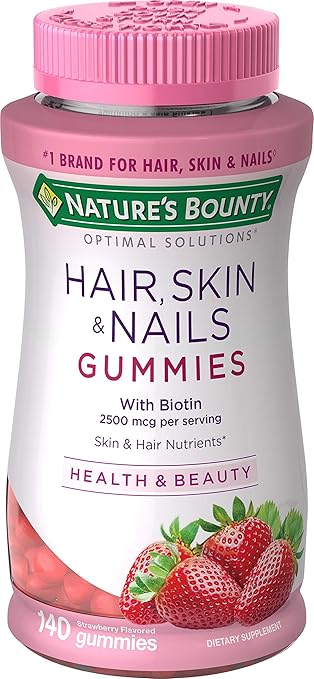
Nature's Bounty Optimal Solutions Hair, Skin, Nails, 140 Gummies

B12 Deficiency Symptoms


Nature's Bounty Optimal Solutions Hair, Skin, Nails, 140 Gummies
 buy-button


Symptoms of B12 deficiency are those that result from situations where vitamin B12 is less than the required value in the body.

Vitamin B12, which is very important for the health of the body and nervous system, can cause many problems when it is deficient. It should also be noted that deficiency of vitamin B12 can sometimes be a symptom of diseases.

What is Vitamin B12?

B12 is also known as cobalamin. It is a vitamin which is of great importance in the production of red blood cells (red blood cells) of the body. It is very important in maintaining the health of the body as a whole. However, vitamin B12 is only available through external nutrients. It is not a vitamin that the body can produce itself. Therefore, individuals need to pay great attention to their nutrition and pay attention to healthy balanced and regular nutrition. Symptoms of B12 deficiency are observed when not enough is taken.

What are B12 Deficiency Symptoms?

Forgetfulness is a major symptom of B12 deficiency
Secondly, in the case of hair loss, individuals first come to mind B12 deficiency. Other symptoms are;
Fatigue
Weakness
Weakness
Mood disorders, especially depression and extreme irritability
Lack of attention, difficulty focusing
chill
Heart palpitations
Complications of the limbs
Smooth tongue (disappearance of dots on the tongue)
Mouth sores
Skin dryness and lifeless skin
Weight Loss

What Causes B12 Deficiency?

Application of vegan or vegetarian diet
Non-consumption of foods rich in vitamin B12
Eating disorders (anorexia nervosa, blumia nervosa)
Continuous application of wrong diets
Some drugs used
Advancing age
Stomach reduction operations
Inability to consume foods rich in B12 due to food allergies
Stomach and intestinal problems, diseases
Pregnancy

How is B12 Deficiency Symptoms Treatment?

When an individual observes the symptoms of B12 deficiency, it is possible to diagnose B12 deficiency by blood tests requested by the specialist. As a result of the blood test, vitamin B12 ratio is below the reference values ​​and B12 deficiency is observed. The causes of B12 deficiency symptoms should be investigated and treated accordingly. If B12 deficiency cannot be eliminated by consuming foods containing vitamin B12, B12 vitamin drugs or B12 vitamin needles are recommended by the expert. When taken at the specified dose, vitamin B12 can reach normal values. And so the symptoms of B12 deficiency are treated.


21AXX
Nature's Bounty Optimal Solutions Hair, Skin, Nails, 140 Gummies

SmartyPants Vegetarian Organic Kids Daily Gummy Vitamins: Multivitamin, Gluten Free, Non-GMO, Omega-3, Probiotic, Vitamin D3, Methylcobalamin B12, Zinc; 120 Count (30 Day Supply)

How to identify folic acid deficiency?


SmartyPants Vegetarian Organic Kids Daily Gummy Vitamins: Multivitamin, Gluten Free, Non-GMO, Omega-3, Probiotic, Vitamin D3, Methylcobalamin B12, Zinc; 120 Count (30 Day Supply)
 buy-button


Folic Acid has an important role in the formation and development of cell building blocks, blood cells and especially nervous system tissues and is part of the B complex vitamins.

Folic acid, which plays an important role in making DNA, which is the building blocks of our genetic code, is an indispensable vitamin for those who want to grow healthy. The main causes of folic acid deficiency in humans are malnutrition. Folic acid plays an important role in the production of red blood cells. Therefore it is also used in the treatment of anemia.

Folic acid deficiency is caused by anemia caused by a decrease in the number of red blood cells due to nutrition. This deficiency can be caused by chronic alcoholics, drug addicts, the elderly or people with low socioeconomic level, as well as diets that lack fresh fruit and vegetables and other foods rich in folic acid.

Benefits of folic acid

If the folic acid needed by the baby is not enough, neural tube defect, central nervous system diseases and many developmental problems may occur. With the simplest form, the baby's skull and brain cannot develop. Folic acid has an important role in metabolism and formation of nervous system tissues. Folic acid infant used before and during pregnancy; Protects against cleft lip and cleft palate, preterm labor, low-weight birth and miscarriage . Folic acid can also be prepared as follows; It also protects against pregnancy complications, heart disease, stroke, certain types of cancer, risk of Alzheimer's disease and Parkinson's disease.

When to start using folic acid?

Those with digestive, kidney and liver disease may experience folic acid deficiency. It is recommended to use it together with vitamin B12 during treatment. In addition, taking folic acid more than the recommended amount regularly triggers vitamin B12 deficiency. To prevent this, you can take folic acid measurements and use the B12 supplement in consultation with your doctor.

How to identify folic acid deficiency? Folic acid-containing foods and benefits

folic acid deficiency Folic Acid has an important role in the formation and development of cell building blocks, blood cells and especially nervous system tissues and is part of the B complex vitamins. Folic acid, which plays an important role in making DNA, which is the building blocks of our genetic code, is an indispensable vitamin for those who want to grow healthy. The main causes of folic acid deficiency in humans are malnutrition. Folic acid plays an important role in the production of red blood cells. Therefore it is also used in the treatment of anemia. Folic acid deficiency is caused by anemia caused by a decrease in the number of red blood cells due to nutrition. This deficiency can be caused by chronic alcoholics, drug addicts, the elderly or people with low socioeconomic level, as well as diets that lack fresh fruit and vegetables and other foods rich in folic acid.

Contents

Benefits of folic acid
When to start using folic acid?
Symptoms of folic acid deficiency
Treatment of folic acid deficiency
Foods and foods containing folic acid
The amount of folic acid in foods;

Benefits of folic acid

If the folic acid needed by the baby is not enough, neural tube defect, central nervous system diseases and many developmental problems may occur. With the simplest form, the baby's skull and brain cannot develop. Folic acid has an important role in metabolism and formation of nervous system tissues. Folic acid infant used before and during pregnancy; Protects against cleft lip and cleft palate, preterm labor, low-weight birth and miscarriage . Folic acid can also be prepared as follows; It also protects against pregnancy complications, heart disease, stroke, certain types of cancer, risk of Alzheimer's disease and Parkinson's disease.

When to start using folic acid?

Those with digestive, kidney and liver disease may experience folic acid deficiency. It is recommended to use it together with vitamin B12 during treatment. In addition, taking folic acid more than the recommended amount regularly triggers vitamin B12 deficiency. To prevent this, you can take folic acid measurements and use the B12 supplement in consultation with your doctor.

Folic acid, which is taken 400 mcg daily before and during pregnancy, is protective against birth injuries that may occur in the baby's spinal cord and brain. Birth defects in the first 3-4 of pregnancy. occurs during the week. For this reason, folic acid is needed in the early period when the baby's brain and spinal cord develops.

It is recommended that folic acid should be started one month before becoming pregnant and taken daily during pregnancy. Use of folic acid; 400 mcg when pregnancy is decided, 400 mcg in the first trimester of pregnancy, 4-9. 600mcg between months, 500 mcg during breastfeeding is recommended.

Symptoms of folic acid deficiency

Each type of anemia has its own symptoms, depending on the underlying cause. However, there are some more general symptoms associated with all types of anemia. These symptoms include fatigue, shortness of breath, dyspnea, fainting, and irregular heartbeat (palpitations). You may also have headaches, tinnitus and loss of appetite. If your anemia is caused by vitamin B12 deficiency, there may be other symptoms. These are yellowing on your skin (depending on the jaundice that occurs when a chemical called bilirubin accumulates in the blood).

Other symptoms include a painful, red tongue (glossitis), sores in your mouth, and altered or reduced touch. Other symptoms of vitamin B12 deficiency include decreased pain, changes in walking and movement, blurred vision, irritability and depression. Folate deficiency can also cause symptoms of general anemia, loss of sensation, inability to control your muscles, and depression.

Causes of folic acid deficiency

Folate deficiency may also be caused by the absence of folate in the foods you take, or by another disease (such as restless bowel syndrome) that prevents your body from absorbing folate as effectively as necessary. You may also lose folate if you go to the toilet very often due to an underlying disease related to your kidney or liver. If your body needs more than normal folate, you may not meet this need, you may be weak. If you become pregnant or cancer, if you have a blood disorder or inflammation in your body, you will need more folates.

Treatment of folic acid deficiency

To treat anemia caused by folic acid deficiency, your doctor prescribes folic acid tablets, usually taken for four months. If you have anemia due to vitamin B12 or folate deficiency, it is important to include plenty of vitamin B12 and folate-rich foods in your daily diet. Rich sources of vitamin B12 include meat, eggs, dairy products, fortified breakfast cereals, and some soy products. Vegetables such as broccoli, brussels sprouts, asparagus , peas, chickpeas and brown rice also contain high levels of folate.

Health problems caused by folic acid deficiency

The incidence of congenital anomalies in a study conducted in Turkey goes on record as 3 thousand. The probability of congenital anomalies seen in the second children of couples who have children with anomalies is 2-3%.

Use of folic acid before and during pregnancy is a protective factor against complications. Complications are relatively rare, as most cases of vitamin B12 or folate insufficiency can be easily treated. In severe cases, any type of anemia can cause complications that may affect your heart and lungs and prevent them from working properly.

B12 or folate deficiency can sometimes cause temporary sterility (infertility, inability to conceive). However, this infertility is not permanent and can be removed by using vitamin supplements. If you are pregnant, if you do not take enough B12 or folate, your baby is at increased risk of developing a birth defect, such as spina bifida. Folate deficiency also increases your baby's risk of premature birth.

Folate deficiency increases your risk of developing a cardiovascular disease (causing your heart and circulatory system to malfunction). Research has shown that folate failure may also be associated with some cancers. Folate deficiency alone is not a cause of cancer, but may contribute to the development of the disease.

Alzheimer's and Folic Acid

The incidence of Alzheimer's disease has increased approximately four times in the last 40 years. People with Alzheimer's disease have generally been found to have low blood folic acid levels. In a study conducted over 65 years of age, folate, Vit B6 and VitB 12 patients were found to have no dementia problem. Folic acid intake is very useful in brain development, protection against Alzheimer's and other nervous system diseases

To prevent Alzheimer's, folate-rich foods should be taken care of and folic acid levels should be followed.

Folic acid in cancer prevention

Vitamin B12 or folate deficiency is most common in people over 75 years of age. Increasing the amount of folic acid added to the diet in the prevention of colon and breast cancer reduces the risk of colon cancer by reducing folic acid-rich diet and alcohol. Consuming more than 2 glasses of alcohol every day increases the risk of cancer 4 times. 400 mcg folic acid taken daily in addition to diet reduces the risk of colon cancer .

Foods and foods containing folic acid

Folate Rich Cereals; Cereals consumed daily are very rich sources of folic acid. Grain breads and oatmeal are foods with vitamin B group. Therefore, cereal breads and cereals should be preferred instead of white bread.

Vegetables Containing Folic Acid; Dark green leafy vegetables are very rich in folic acid. Vegetables such as spinach, lettuce, parsley and black cabbage should be consumed to cover the daily amount of folate. Green vegetables such as asparagus, broccoli, peas and gumbo are also foods containing folic acid.
Source of Folic Acid Citrus; Citrus fruits, which are the healthiest foods of winter, contain abundant folic acid. Oranges, grapefruits, tangerines and lemons should be included in the daily diet. Especially these fruits should be consumed in abundance during pregnancy and lactation.
Legumes with Folic Acid; Lentils and dried beans are very important with the amount of folic acid in them. These foods, which also have other sources of vitamins, must be included in daily nutrition.
Other Foods Containing Folic Acid; Natural foods, such as avocado , cauliflower, celery, corn and beet, contain folate.

How to identify folic acid deficiency? Folic acid-containing foods and benefits
Category: Nutrition and Diet , Pregnancy , Vitamins Print
Share
Tweet
Share
WhatsApp
482 Sharing
folic acid deficiency Folic Acid has an important role in the formation and development of cell building blocks, blood cells and especially nervous system tissues and is part of the B complex vitamins. Folic acid, which plays an important role in making DNA, which is the building blocks of our genetic code, is an indispensable vitamin for those who want to grow healthy. The main causes of folic acid deficiency in humans are malnutrition. Folic acid plays an important role in the production of red blood cells. Therefore it is also used in the treatment of anemia. Folic acid deficiency is caused by anemia caused by a decrease in the number of red blood cells due to nutrition. This deficiency can be caused by chronic alcoholics, drug addicts, the elderly or people with low socioeconomic level, as well as diets that lack fresh fruit and vegetables and other foods rich in folic acid.

Contents

Benefits of folic acid
When to start using folic acid?
Symptoms of folic acid deficiency
Treatment of folic acid deficiency
Foods and foods containing folic acid
The amount of folic acid in foods;

Benefits of folic acid

If the folic acid needed by the baby is not enough, neural tube defect, central nervous system diseases and many developmental problems may occur. With the simplest form, the baby's skull and brain cannot develop. Folic acid has an important role in metabolism and formation of nervous system tissues. Folic acid infant used before and during pregnancy; Protects against cleft lip and cleft palate, preterm labor, low-weight birth and miscarriage . Folic acid can also be prepared as follows; It also protects against pregnancy complications, heart disease, stroke, certain types of cancer, risk of Alzheimer's disease and Parkinson's disease.
When to start using folic acid?

Those with digestive, kidney and liver disease may experience folic acid deficiency. It is recommended to use it together with vitamin B12 during treatment. In addition, taking folic acid more than the recommended amount regularly triggers vitamin B12 deficiency. To prevent this, you can take folic acid measurements and use the B12 supplement in consultation with your doctor.

Folic acid, which is taken 400 mcg daily before and during pregnancy, is protective against birth injuries that may occur in the baby's spinal cord and brain. Birth defects in the first 3-4 of pregnancy. occurs during the week. For this reason, folic acid is needed in the early period when the baby's brain and spinal cord develops.

It is recommended that folic acid should be started one month before becoming pregnant and taken daily during pregnancy. Use of folic acid; 400 mcg when pregnancy is decided, 400 mcg in the first trimester of pregnancy, 4-9. 600mcg between months, 500 mcg during breastfeeding is recommended.
Symptoms of folic acid deficiency

Each type of anemia has its own symptoms, depending on the underlying cause. However, there are some more general symptoms associated with all types of anemia. These symptoms include fatigue, shortness of breath, dyspnea, fainting, and irregular heartbeat (palpitations). You may also have headaches, tinnitus and loss of appetite. If your anemia is caused by vitamin B12 deficiency, there may be other symptoms. These are yellowing on your skin (depending on the jaundice that occurs when a chemical called bilirubin accumulates in the blood).

Other symptoms include a painful, red tongue (glossitis), sores in your mouth, and altered or reduced touch. Other symptoms of vitamin B12 deficiency include decreased pain, changes in walking and movement, blurred vision, irritability and depression. Folate deficiency can also cause symptoms of general anemia, loss of sensation, inability to control your muscles, and depression.
Causes of folic acid deficiency

Folate deficiency may also be caused by the absence of folate in the foods you take, or by another disease (such as restless bowel syndrome) that prevents your body from absorbing folate as effectively as necessary. You may also lose folate if you go to the toilet very often due to an underlying disease related to your kidney or liver. If your body needs more than normal folate, you may not meet this need, you may be weak. If you become pregnant or cancer, if you have a blood disorder or inflammation in your body, you will need more folates.
Treatment of folic acid deficiency

To treat anemia caused by folic acid deficiency, your doctor prescribes folic acid tablets, usually taken for four months. If you have anemia due to vitamin B12 or folate deficiency, it is important to include plenty of vitamin B12 and folate-rich foods in your daily diet. Rich sources of vitamin B12 include meat, eggs, dairy products, fortified breakfast cereals, and some soy products. Vegetables such as broccoli, brussels sprouts, asparagus , peas, chickpeas and brown rice also contain high levels of folate.

Health problems caused by folic acid deficiency

The incidence of congenital anomalies in a study conducted in Turkey goes on record as 3 thousand. The probability of congenital anomalies seen in the second children of couples who have children with anomalies is 2-3%.

Use of folic acid before and during pregnancy is a protective factor against complications. Complications are relatively rare, as most cases of vitamin B12 or folate insufficiency can be easily treated. In severe cases, any type of anemia can cause complications that may affect your heart and lungs and prevent them from working properly.

B12 or folate deficiency can sometimes cause temporary sterility (infertility, inability to conceive). However, this infertility is not permanent and can be removed by using vitamin supplements. If you are pregnant, if you do not take enough B12 or folate, your baby is at increased risk of developing a birth defect, such as spina bifida. Folate deficiency also increases your baby's risk of premature birth.

Folate deficiency increases your risk of developing a cardiovascular disease (causing your heart and circulatory system to malfunction). Research has shown that folate failure may also be associated with some cancers. Folate deficiency alone is not a cause of cancer, but may contribute to the development of the disease.
Alzheimer's and Folic Acid

The incidence of Alzheimer's disease has increased approximately four times in the last 40 years. People with Alzheimer's disease have generally been found to have low blood folic acid levels. In a study conducted over 65 years of age, folate, Vit B6 and VitB 12 patients were found to have no dementia problem. Folic acid intake is very useful in brain development, protection against Alzheimer's and other nervous system diseases

To prevent Alzheimer's, folate-rich foods should be taken care of and folic acid levels should be followed.

Folic acid in cancer prevention

Vitamin B12 or folate deficiency is most common in people over 75 years of age. Increasing the amount of folic acid added to the diet in the prevention of colon and breast cancer reduces the risk of colon cancer by reducing folic acid-rich diet and alcohol. Consuming more than 2 glasses of alcohol every day increases the risk of cancer 4 times. 400 mcg folic acid taken daily in addition to diet reduces the risk of colon cancer .
Foods and foods containing folic acid

Folate Rich Cereals; Cereals consumed daily are very rich sources of folic acid. Grain breads and oatmeal are foods with vitamin B group. Therefore, cereal breads and cereals should be preferred instead of white bread.

Vegetables Containing Folic Acid; Dark green leafy vegetables are very rich in folic acid. Vegetables such as spinach, lettuce, parsley and black cabbage should be consumed to cover the daily amount of folate. Green vegetables such as asparagus, broccoli, peas and gumbo are also foods containing folic acid.
Source of Folic Acid Citrus; Citrus fruits, which are the healthiest foods of winter, contain abundant folic acid. Oranges, grapefruits, tangerines and lemons should be included in the daily diet. Especially these fruits should be consumed in abundance during pregnancy and lactation.
Legumes with Folic Acid; Lentils and dried beans are very important with the amount of folic acid in them. These foods, which also have other sources of vitamins, must be included in daily nutrition.
Other Foods Containing Folic Acid; Natural foods, such as avocado , cauliflower, celery, corn and beet, contain folate.

The amount of folic acid in foods;

It is of great importance that foods containing folic acid are included in daily nutrition. By consuming these foods, daily folate needs can be met.

3/4 Cup Cereals; 400 mcg
Cooked Beef Livers; 215 mcg2
Bowl of Boiled or Cooked Spinach; 218 mcg1 / 2
Cup of Boiled Lentils; 179 mcg1 / 2
Cup Boiled Haricot Beans; 90 mcg1
Pieces Egg; 25 mcg1
Handful Sunflower Seeds; 82 mcg1
Bowl of Asparagus; 79 mcg1
Pieces Orange; 55 mcg1
Squeezed Orange Juice In A Glass; Contains 80 mcg folic acid.


20AXX
SmartyPants Vegetarian Organic Kids Daily Gummy Vitamins: Multivitamin, Gluten Free, Non-GMO, Omega-3, Probiotic, Vitamin D3, Methylcobalamin B12, Zinc; 120 Count (30 Day Supply)

Flintstones Complete Chewables Children’s Multivitamins, Kids Vitamin Supplement with Vitamins C, D, E, B6, and B12, 180 Count

EVERYTHING ABOUT LACK VITAMINS


Flintstones Complete Chewables Children’s Multivitamins, Kids Vitamin Supplement with Vitamins C, D, E, B6, and B12, 180 Count
 buy-button


The lack of vitamins with accelerating, directing and activating properties of the cells leads to various diseases. Istanbul Faculty of Medicine Pharmacology and Clinical Pharmacology Department Professor. Dr. Aykan Canberk drew attention to the mistakes made about vitamins and answered the curious questions:

Should vitamin be taken in antibiotic treatment? Antibiotic treatment also affects beneficial bacteria in the intestine. Consequently, fungal diseases such as thrush, diarrhea, indigestion and gas complaints occur. Therefore, it is especially useful to take vitamin B complex in antibiotic treatment.

Are vitamins taken at any time of the day? Some vitamins, for example; Vitamin E should be taken at night, vitamin C after meals. Because vitamin E is used during the day to provide energy to the body. When metabolism is slowed and the energy consumption is minimized at night, when taken before bedtime, other functions of vitamin E, ie, constructive properties, emerge. It is more beneficial to the body. Vitamin C is acidic and may cause irritation to the stomach when taken on an empty stomach. Other vitamins can be taken at any time of day.

Is vitamin deficiency causing diseases? Vitamin A deficiency causes night blindness, hair loss, skin-like disorders, and a tendency to infection. Vitamin C deficiency leads to bleeding and infection of the gums, while vitamin B deficiency leads to nerve end inflammation and fatty liver. Vitamin D deficiency leads to accelerated bone resorption disease, softening of bones and curvature in women. Vitamin E deficiency accelerates arteriosclerosis, deterioration of fat metabolism, miscarriage of women, premature aging, and vitamin K deficiency can cause nosebleeds and bruising under the skin.

Is it harmful to take several different vitamin pills at the same time? There is no harm in taking several different vitamin pills at the same time after a doctor has recommended it. For example, vitamins E and C are given together in patients with arteriosclerosis. Taking two pills together increases the success of the disease.

How does vitamin deficiency become apparent? Frequent influenza, angina, bronchitis, upper respiratory diseases, catching kidney stones, bleeding gums, miscarriage of women, nosebleeds, nail breakage and hair loss are symptoms of vitamin deficiency.

Is it harmful to take excessive vitamins? Taking too much vitamin A causes fat in the liver and accelerates weight gain. Excessive vitamin C causes irritation of the stomach as well as increased gastritis. There is no harm in excess of vitamin E. An excess of vitamin K may increase the tendency of blood to clot. Therefore, it is necessary to use vitamins in accordance with the deficiencies in the body through the doctor's control.

Does vitamin E really delay aging? Vitamin E prevents the accumulation of free oxygen radicals in the cells. Increases cell oxygen and prevents wear. It leads to healthier and more durable cell formation.

Are vitamins taken with food sufficient? In some cases, the vitamins of our meals may not be enough. This is especially true for vitamin E. Because the body needs 400 milligrams of vitamin E daily. To get this, you need to eat 5-6 kilos of rice, barley or lentils. Since this cannot be done, it is useful to take vitamin E as a supplement every day. With balanced nutrition, other vitamins can be supplied from fruits and vegetables.

Is it harmful to take vitamins during pregnancy? Pregnant women should meet their vitamin requirements by eating lots of fruits and vegetables. They can only take B, C and E after a doctor has recommended it. In particular, the random intake of vitamin A should be avoided.

Do vitamins increase sexual strength? Vitamins have positive effects in terms of supporting metabolism and increasing the functions of the body. But so far, there is no information that increases sexual power.

Is nail breakage whitening a sign of vitamin deficiency? Yeah. Vitamin A deficiency is manifested by breakage in the nails, deformities, lines and white spots.


19AXX
Flintstones Complete Chewables Children’s Multivitamins, Kids Vitamin Supplement with Vitamins C, D, E, B6, and B12, 180 Count

SmartyPants Toddler Formula Daily Gummy Vitamins: Gluten Free, Multivitamin & Omega 3 Fish Oil (DHA/EPA), Methyl B12, Vitamin D3, Vitamin B6, 90 Count (30 Day Supply) - Packaging May Vary

Vitamin D deficiency that causes many diseases!


SmartyPants Toddler Formula Daily Gummy Vitamins: Gluten Free, Multivitamin & Omega 3 Fish Oil (DHA/EPA), Methyl B12, Vitamin D3, Vitamin B6, 90 Count (30 Day Supply) - Packaging May Vary
 buy-button


Near East University Hospital Department of Internal Medicine Specialist. Sabiha Gokcen Asvaroglu, with the transition from human nature to urban life with the emergence of new health problems in recent years, one of the most emphasized and concentrated studies in recent years is one of the vitamin D deficiency, he added.

Vitamins are organic components that are not produced by the body, so they must be taken through nutrition and have important roles on metabolism. Unlike other vitamins, 95% of vitamin D is produced in the skin with the help of sunlight, but 5% is provided from foods. Dr. Sabiha Gokcen Asvaroglu, the sun alone is not enough to get rich in vitamin D nutrition, vitamin D is produced in the skin after the body or food is taken into the body and liver and kidneys is activated through some processes, he said.

"The function of vitamin D is to increase calcium absorption in the intestine"

The main task of vitamin D is to increase the absorption of calcium in the intestine. Dr. Sabiha Gokcen Asvaroglu, at the same time bone mineralization, calcium phosphorus balance, the regulation of muscle nervous system functions, he said. According to the information obtained from the studies of the person's muscle strength and heartbeats regulating Asvaroğlu said, vitamin D, especially influenza, fight against all kinds of infections, multiple sclerosis, inflammation in the intestine, such as protection against autoimmune diseases, prevention of uncontrolled cell proliferation (cancer), insulin release from the pancreas. regulation, thyroid functions and normal blood coagulation.

"Vitamin D deficiency is detected in one out of every three people"

Vitamin D was first discovered in the 1920s during research to find a remedy for rickets, a bone disease seen in children, Asvaroglu said, deficiency of vitamin D, with the progress of technology began to be seen as the level of frequent measurement. Exp. Dr. Sabiha Gökçen Asvaroğlu said: "In addition to bone diseases, cardiovascular diseases, diabetes, obesity, prostate cancer is also associated with many diseases, such as. Vitamin D deficiency, the level of vitamin D in the blood is significantly reduced. Vitamin D in almost one out of every three people is lacking. "

"Diseases due to vitamin D deficiency decrease in developing countries and osteoporosis disease which is also associated with vitamin D deficiency is common"

Vitamin D deficiency characterized by mineralization disorder in the bones, rickets in children, osteomalacia in adults called bone diseases, he said:

"While the incidence of these two diseases due to vitamin D deficiency decreases in developing countries, osteoporosis (bone resorption), which is also associated with vitamin D deficiency, is common. Bone fractures increase with the decrease of calcium stored in the bones. It may also be difficult to climb stairs due to muscle weakness that may occur in vitamin D deficiency, however, in studies conducted, vitamin D deficiency may be associated with allergic diseases (allergic rhinitis, allergic asthma, Atopic dermatitis, etc.), diabetes, multiple sclerosis, chron disease, rheumatoid arthritis, breast, intestinal and prostate cancer have also been shown to be associated with these diseases may not be seen in all patients with vitamin D deficiency. lack of ini can not say. "

"The only way to ensure that there is a lack of vitamin D in the body is to measure the level of vitamin D (25 (OH) vitamin D3) in the blood."

Vitamin D deficiency is generally silent, says Uzm. Dr. Sabiha Gokcen Asvaroglu, lack of serious symptoms did not occur, he said. Asvaroğlu said: "Fatigue, general pain-free, not feeling well, such as vitamin D deficiency may be overlooked as it may create non-specific complaints. The only way to be sure whether there is a deficiency of vitamin D (25 (OH) vitamin D3) level of vitamin D. is a serious health hazard, even when it does not cause complaints. "

Treatment

Vitamin D supplementation is the standard treatment of vitamin D deficiency, he said, the preferred vitamin in these supplements is vitamin D3, he said. Stating that vitamin D3 should be taken in the form of daily or weekly doses, Asvaroğlu stated that people using vitamin should take care of taking vitamin together with the meal and that the absorption and usefulness of the vitamin taken with the meal increased.

"Increasing need for vitamin D in children, pregnant and lactating women"

Since the amount of vitamin D in foods is low, vitamin D deficiency will be insufficient even if it is tried to be corrected with nutrition alone. Dr. Sabiha Gökçen Asvaroğlu, vitamin D-rich foods at the same time contains high cholesterol should be consumed carefully, he said. Growing children, pregnant and breastfeeding women said that the need for vitamin D Asvaroglu, vitamin D deficiency in adults is generally 400-800 IU, he said. Asvaroğlu continued:

"The dosage and route of administration of vitamin D deficiency varies according to the cause and severity of the deficiency. Vitamin D, which is a fat-soluble vitamin, may accumulate in the body when taken uncontrollably and cause harmful effects. - Bone pain, heart rhythm disturbances and renal insufficiency should be careful, drug package inserts should be read carefully, vitamin D containing multivitamins and vitamin D. In other cases, it is recommended to look at the blood vitamin D levels at least once a year, preferably 6 months apart, 2 times a year, with vitamin D levels fluctuating during the year, the highest at the end of summer and the lowest after winter r. "


18AXX
SmartyPants Toddler Formula Daily Gummy Vitamins: Gluten Free, Multivitamin & Omega 3 Fish Oil (DHA/EPA), Methyl B12, Vitamin D3, Vitamin B6, 90 Count (30 Day Supply) - Packaging May Vary

SmartyPants Men’s Formula Daily Gummy Vitamins: Gluten Free, Multivitamin & Omega 3 Fish Oil (DHA/EPA), Methyl B12, Vitamin D3, Vitamin B6, 180 Count (30 Day Supply) - Packaging May Vary

When we lose 4 vitamins we have 5 diseases


SmartyPants Men’s Formula Daily Gummy Vitamins: Gluten Free, Multivitamin & Omega 3 Fish Oil (DHA/EPA), Methyl B12, Vitamin D3, Vitamin B6, 180 Count (30 Day Supply) - Packaging May Vary
 buy-button


People who stay away from meat in their daily diet are deprived of vitamins in meat. International Hospital Internal Medicine Specialist İbrahim Bağcivan says that a person who is known to be a vegetarian cannot meet the need for vitamin B12, which is known only in animal foods, so that people who prefer vegetarian nutrition are offered vitamin B12 for prevention purposes.

Stating that each drug is actually a poison and the only feature that separates the drug from the poison is the dose. İbrahim Bağcivan said, bile Even the most important and vital water for human beings is unnecessary and consumes too much and can cause important health problems. In today's medicine, it is clear under which conditions vitamins can be used for treatment and under which conditions, ”he says.

It was first understood in 1896 that vitamin deficiency can lead to diseases, and the following result appears:

• Skin and gum problems in vitamin C deficiency
• Vision problems in vitamin A deficiency
• Bone problems in vitamin D deficiency
• Skin and nervous system problems occur in vitamin B deficiency.

In developed and developing countries, vitamin deficiencies caused by nutritional problems are not common. However, vitamin deficiency does not only occur due to malnutrition. Deficiencies may arise in many situations such as inability to meet the increased need (infancy, pregnancy, adolescence), diabetes, renal failure, diseases with intestinal absorption, stomach surgeries, intensive alcohol use in different periods of our lives. When vitamin treatment is mentioned, special treatment is required for these risk groups. Today, however, vitamins that need to be taken with natural foods are taken randomly as a medicine without the need.

ATTENTION TO VITAMINS A, D, K EXTRA!

Vitamins are divided into two groups as water-soluble and fat-soluble vitamins according to their chemical properties. Since vitamins B and C are soluble in water, they cannot be stored in our bodies. Therefore, deficiencies are more common than fat-soluble vitamins. Because they do not accumulate in the body to be consumed more often does not cause problems. Fat-soluble vitamins (vitamins A, D, E, K) accumulate in the body when taken too much and when used uncontrolled “hypervitaminosis” can lead to excess vitamin. Just as vitamin deficiency is a health problem, its excess is a health problem.

POISON MORE VITAMIN D

For example, when vitamin D is taken too much, it causes poisoning as well as calcium excess. Increased vitamin D causes excess calcium absorption in the body, resulting in significant excess calcium. This has serious and important consequences for heart and kidney health. Extra vitamin A can cause darkening of the skin, flaking, increased intracranial pressure, severe headache, and vision problems. Vitamin K can reveal problems related to blood clotting.

MORE THAN VITAMIN D INCREASES THE CALCIUM IN THE BLOOD

Likewise, vitamin D in breast milk, especially cow's milk, may not meet the needs of infants, so vitamin D is given for preventive purposes. As can be seen from the examples above, the conditions under which vitamins can be used medically are known. The problems encountered with the use of vitamins are caused by a misconception that these drugs are not considered as medicines, but are thought to be innocent and harmless. Therefore, uncontrolled and unconscious use of vitamins without doctor's advice may cause various health problems. The excess of fat-soluble vitamins that can be stored in the body is more common especially when taken more than needed.

- Vitamin D excess increases in blood calcium level and consequently causes problems such as muscle cramps, heart rhythm problems, constipation.

- Vitamin A excess increases brain pressure, muscle weakness, headache, vision problems

- Although vitamin C is not stored in the body, it is excreted in the urine and may cause some kidney stones to form.

- Recent scientific studies have also shown that high doses of vitamins E and C increase the occurrence of lung cancer.

- Again in studies conducted using high doses of vitamin A, C and E, gastrointestinal, prostate cancer, even if it does not cause cancer development shortened the expected life expectancy has been shown to contribute to the growth of the tumor.

- Vitamins taken from natural foods do not cause any problems.

- For these reasons, it is emphasized that healthy nutrition outside the need groups is sufficient for vitamin intake and the need for additional vitamin needs should be planned according to the doctor's advice.

WHICH VITAMIN DO YOU NEED?

International Hospital Internal Medicine Specialist Ibrahim Bagcivan, who should take which vitamins in which period is as follows:

Infancy: Vitamin D
Pregnancy: Folic acid
Renal impairment and dialysis patients: Folic acid, vitamin D
Stomach and intestinal surgery: Vitamin B12
Diseases associated with intestinal absorption: vitamin D, B12
Intensive alcohol use: B1, B12
Diabetics: B1, B6
Vegetarian: B12


17AXX
SmartyPants Men’s Formula Daily Gummy Vitamins: Gluten Free, Multivitamin & Omega 3 Fish Oil (DHA/EPA), Methyl B12, Vitamin D3, Vitamin B6, 180 Count (30 Day Supply) - Packaging May Vary

Amazon Brand - Mama Bear Organic Kids Multivitamin, 60 Gummies, 1 Month Supply

What nutrients are good for iron deficiency? Treatment methods of iron deficiency at home


Amazon Brand - Mama Bear Organic Kids Multivitamin, 60 Gummies, 1 Month Supply
 buy-button


What is iron deficiency, one of the most common anemia types in the world? What are the symptoms of iron deficiency that cause fatigue, fatigue, insomnia, hair loss and many other factors? What are the nutrients that are good for iron deficiency? Details of iron deficiency and treatment in our news

Iron deficiency, one of the most common types of anemia in the world, is higher in women than in men. In addition, 50 percent of pregnant women suffer from iron deficiency. With iron deficiency, there are symptoms leading to significant changes in the body, weakening of vital functions and bowel-stomach cancer. What should be done to prevent iron deficiency that causes hair loss, weakness, tired tumbling, headaches, and more? What nutrients are good for iron deficiency? What can be the home treatment methods for iron deficiency? Here, all those interested in iron deficiency and treatment ...

WHAT IS IRON LACK?

Iron deficiency anemia, known as anemia in the community, is the transport of oxygen in the structure of red blood cells in the blood and the decrease in the amount of hemoglobin that makes these cells red. Iron deficiency may also be a symptom of many important diseases, primarily stomach and intestinal cancer. Lack of iron that transports oxygen from the lungs to the whole body means a lack of hemoglobin.
In this case, there are also herbal methods that can be applied at home to increase the level of hemoglabin, ie to increase the level of iron in the blood. Iron deficiency is found in 35% of women and 20% of men in the world. This rate is 50% in pregnant women.

WHAT ARE THE SYMPTOMS OF IRON DEFICIENCY?

Fatigue and weakness; There may be many causes of excessive fatigue and one of the biggest causes is iron deficiency. Inadequate oxygen transport by blood to all points of the body caused by iron deficiency creates weakness and confusion.

Pale skin; When the hemoglobin rate, which gives the blood a red color due to iron deficiency, decreases the pink and healthy tone of the skin, the skin becomes pale. In particular, the lips are the first to show paleness.
Headache and dizziness; Among the early symptoms of iron deficiency, headaches and subsequent dizziness, darkening of the eye, such as situations, again as a result of the body can not find enough oxygen emerges.

Numbness of hands and feet, cold; Oxygen deficiency due to iron deficiency and changing blood flow due to this deficiency can cause frequent numbness in hands and feet.

Quick-breaking nails; Quickly broken nails may be due to the lack of oxygen in the body due to iron deficiency. Flattening and streaking of the nails may also occur.

Impaired concentration; It is very difficult to recognize the concentration disorder which is very common especially in children and causes many problems in school and education. fatigue, difficult lessons or laziness due to many reasons such as the lack of recognition of concentration disorder is possible. Therefore, blood tests should be performed especially in children.

Nervousness and tension; Anger and stress can be a sign of iron deficiency for no reason.

Lip fracture and mouth wound; Due to the deficiency of myoglobulin protein in red blood cells due to iron deficiency, tongue may swell and ache. In addition, cracks occur around the lips and around them.

Hair loss; Due to the decrease in oxygen supply in the body, hair begins to fall out.

The desire to eat soil, ice and lime; This is an indication that iron deficiency is advanced. In those with iron deficiency, there is an intense desire to eat against non-nutrients.

Restless leg syndrome; Restless leg syndrome, which is a feeling that can be felt in the legs but cannot be described fully, affects sleep greatly. One of the major causes of this incurable disease is iron deficiency. Iron deficiency was observed in 15 percent of patients with restless leg syndrome.

Shortness of breath; Iron deficiency, which reduces the oxygen carrying capacity of the blood, causes shortness of breath. When our cells can't find the oxygen they need, our brain pushes us to breathe faster to provide oxygen. In this case, heart palpitations and chest pain brings.

WHY IS IRON DEFICIENCY?

Lack of iron in your body causes iron deficiency anemia. Iron deficiency is usually due to blood loss, poor diet, or inadequate absorption of iron in foods you eat. Iron deficiency; Inadequate consumption of iron-rich foods, wrong diet programs, excessive tea and coffee consumption, the lack of adequate intake of animal foods, nutrition may occur due to reasons such as nutrition.

Blood Loss; When you lose blood, you lose iron. Iron deficiency anemia occurs if there is not enough iron stored in your body to replace the lost iron. The reasons for low levels of iron in women may be prolonged menstruation bleeding, excessive or bleeding in benign uterine fibroids in utero.

Blood loss during childbirth is another cause of reduced iron levels in women. Internal bleeding (internal bleeding, bleeding in your body) can also cause iron deficiency anemia. This type of blood loss is not always clear and may occur slowly. Some of the causes of internal bleeding are:
- A bleeding ulcer, bowel polyp or large bowel cancer
- Regular use of aspirin or other non-steroidal anti-inflammatory agents (eg ibuprofen and naproxen)
- Bleeding in the urinary tract
- Blood loss due to serious injuries, surgical operations or frequent blood draws can also cause iron deficiency anemia.

Malnutrition; Foods that are the best source of iron are meat, poultry, fish, eggs and iron-enriched foods. If you do not consume these foods regularly or do not take iron supplements, you are more likely to develop iron deficiency anemia.
If the right foods are eaten, vegetarian nutrition can also provide sufficient iron. For example, non-meat iron sources include spinach and other dark green leafy vegetables, some types of legumes, dried fruits, iron-added breads, and cornflakes. In some periods of life, such as pregnancy and childhood, it may be difficult to get enough iron with nutrition. This is due to the increased need for iron at times of growth and development.
Inadequate Iron Absorption; Even if you have enough iron in your diet, your body may not be able to fully absorb it. This may be due to previous bowel surgery or bowel diseases such as Chron's disease, Celiac disease. Drugs that reduce acid in the stomach can also disrupt iron absorption.

HOW TO NUTRITION IN IRON DEFICIENCY?

Vitamin C is the most important vitamin that should be consumed to prevent or treat iron deficiency. In addition, people who do not want to experience iron deficiency, especially apricots, legumes, fresh vegetables and fruit derivatives should consume plenty. Vitamin C increases the absorption of iron from the intestines. People with iron deficiency should not consume caffeinated beverages, milk and bran products, which reduce the absorption of iron. Consumption of these nutrients should be limited. In addition to this, it should be paid attention to the consumption of vitamin B12 in sufficient amount which enables red blood cells to be produced in bone marrow.

What are the nutrients that are good for iron deficiency?

Dried fruits such as dried apricots, raisins, dried mulberries
* Green leafy vegetables (spinach, chard)
* Nuts, pistachios and sesame seeds
* Liver, red meat, chicken and fish meat
* Egg
* Molasses and grapes
* Dry beans
* Eat eggs with orange juice
* Cook legumes with meat
* Eat plenty of greens at every meal.

* Stinging nettle is one of the known plants rich in iron. Spinach and watercress (also high in iron) are like nettle.
* Beet: beet juice, apple juice and honey can be made by making a mixture. This provides exceptional support for beta carotene and iron content.
* Banana and honey; Ripe bananas are one of the richest sources of iron. Blood can consume with honey twice a day to promote hemoglobin production. Honey is an excellent solution to increase the level of iron in the blood. Honey is rich in minerals such as manganese, copper and iron, and increases hemoglobin in the blood.
* An important way to increase iron absorption is to consume these nutrients together with vitamin C!
* Instead of boiling eggs sometimes cooked like menemen; green, red pepper, tomatoes and onions are given vitamin C, iron uptake is increased.
* When consumed with yogurt next to spinach, iron absorption decreases. Cooking spinach with eggs increases bioavailability.
* Legumes and cereals; Besides, when consumed with salad with lettuce, tomato and lemon with plenty of parsley, iron in cereals and legumes is absorbed more. In addition, when these foods are cooked with minced meat, pieces of meat or chicken, iron intake increases.
* People with advanced iron deficiency; milk, yogurt and buttermilk foods such as buttermilk should not eat next to the meals, should be consumed at meals. Because calcium has the ability to slow the absorption of iron.
* 1 to 2 teaspoons of molasses for breakfast meets most of the daily iron needs. Especially carob molasses iron contains high iron.
* For snacks; apricots, mulberries and raisins from dried fruits contribute to daily iron intake.

* Kelp; It is a brown algae that grows on the ocean shores in America. This plant, which is rich in iron, can fall into the same category as other sources such as spirulina, chlorella, dulse and sea lettuce. This plant is not only high in iron and other minerals, but also a rich source of iodine. For this reason, it is often used to strengthen the thyroid and regulate its metabolism.
* Dandelion leaves contain only modest amounts of iron. However, the fact that this plant is food or supplementary iron helps to absorb iron in the body by bite. Dandelion is best when it contains large amounts of iron, such as spinach or nettles, or when taken with iron supplements or other herbs.
* Red Clover Flowers & Burdock Root are powerful blood purifiers. These herbs are useful when taken with iron supplements or other iron-rich herbs. These medicinal plants are beneficial for health and are highly efficient in terms of iron absorption.
* Thyme, high iron content, as well as a plant with strong flavor. Therefore, the plant can be encapsulated and taken in pill form. But small can only be consumed in small amounts. Oregano can be used with seasonal foods.

NOTICE TO PREVENT IRON LACK!

- Be careful not to consume tea, coffee and cigarettes after meals or after meals. Exaggerating tea and coffee consumption, that is, excessive caffeine consumption is one of the main causes of iron deficiency.
- Vitamin C increases the absorption of iron. For this reason, consuming the egg with orange juice or tomato and meatballs with green salad is important for increasing iron absorption.
- Fermented fermented bread is more absorbed than unleavened bread.
- Good uncooked legumes or bran bread reduces the absorption of iron.
- Feeding with pulp foods reduces the absorption of iron.
- The aluminum, stainless steel and cans we use to store food also reduce the absorption of iron.

16AXX
Amazon Brand - Mama Bear Organic Kids Multivitamin, 60 Gummies, 1 Month Supply